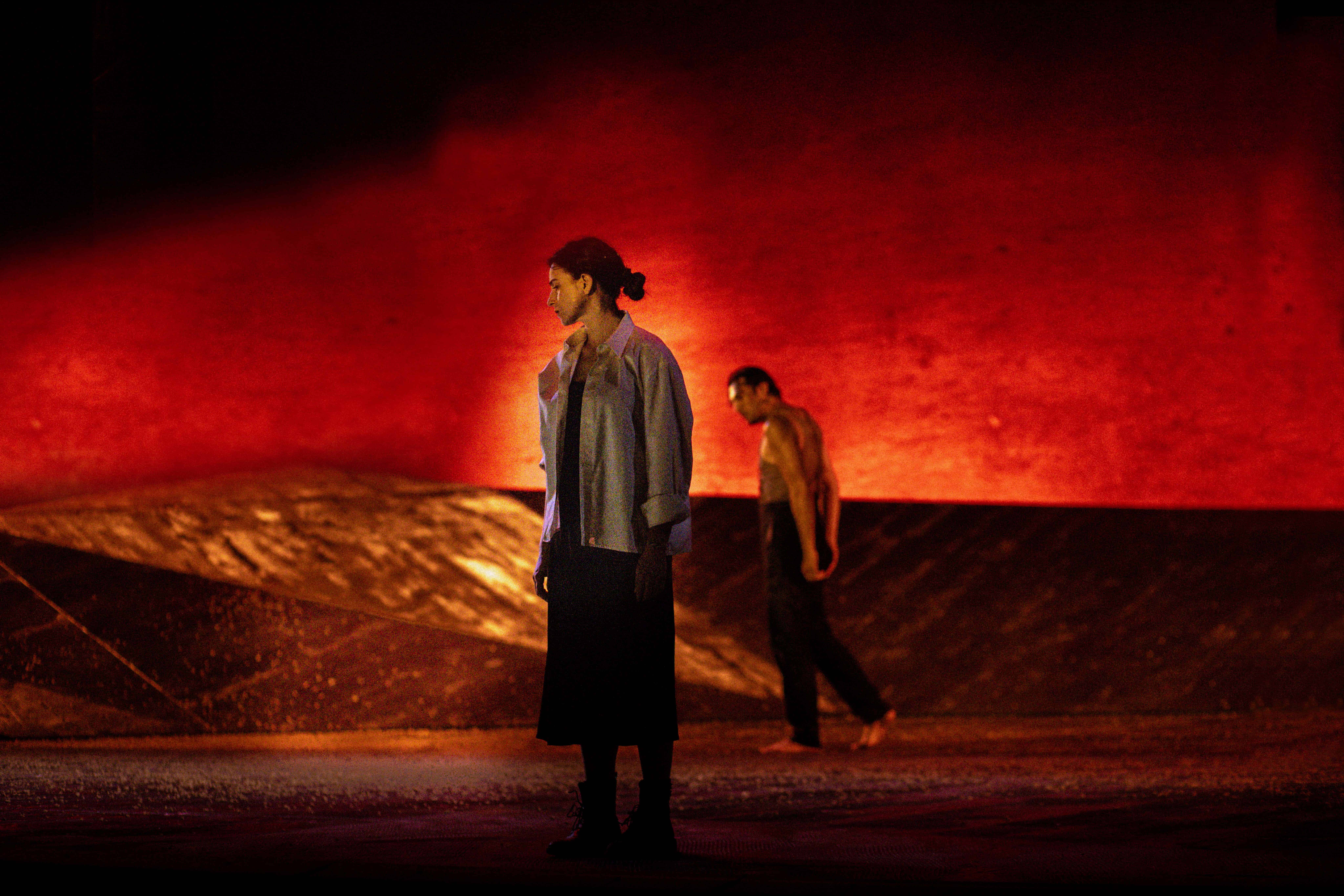
Eros and Thanatos
Modes of love and death with Teodor Currentzis at the podium: from Bizet’s Carmen to Berg’s Andenken eines Engels and Brahms’s Ein deutsches Requiem.

“This music seems to me perfect,” enthused the musically educated philosopher Friedrich Nietzsche in 1888, after having heard Georges Bizet’s Carmen no fewer than twenty times: “It comes easily, flexibly, with politeness. It is charming – it doesn’t sweat.” Yet at the same time, he felt it was also “evil, subtle, fatalistic: and yet it remains popular – it has the sophistication of a race, not of an individual. It is rich. It is precise. It builds, organises, finishes: thus it constitutes the opposite of the polyp in music, of the “endless melody”.”
A Sister of Don Giovanni? This final barb reveals that the text is actually aimed polemically at Richard Wagner, the one-time friend whose work Nietzsche could no longer bear at the time, that same Wagner who had died in Venice in 1883 while working on an essay „On the Feminine in Human Nature“… Tellingly, the new god – or rather goddess! – that Nietzsche chose for his praise was no woman who “redeems” a tragic Wagnerian hero through selfless sacrifice. Instead, the rather pathetic hero is destroyed by the erotic attraction of his beloved – and kills her in jealous despair.
And yet Carmen is as immortal as Don Giovanni: the archetype of the femme fatale who transgresses all the boundaries of bourgeois morality and still follows her feelings with sovereignty even when mortal danger is perfectly clear to her. “To be successful today, you either have to be German or dead,” Bizet is said to have once bitterly exclaimed. He could never have imagined being declared the musical antipole of the “most German of Germans”: Nietzsche declared that Carmen would make him “a better person” – in contrast to the “steam” in Wagner’s work, that “artist of décadence” who had made music sick, indeed was himself sickness …
Born in Paris in 1838, Bizet was granted barely more life than Mozart: he died of a heart attack at not quite 37. After early recognition as a child prodigy and later distinctions during his studies, his brief career as a composer was blessed with no lasting fortune – and only in recent decades have the good dozen of his stage works beyond Carmen been rediscovered. He did not live to see its triumphant progress: he died three months after a rather unsuccessful premiere.
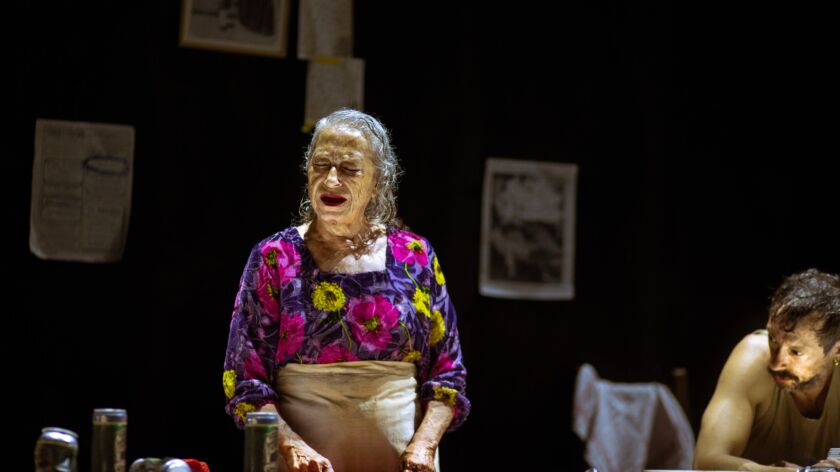
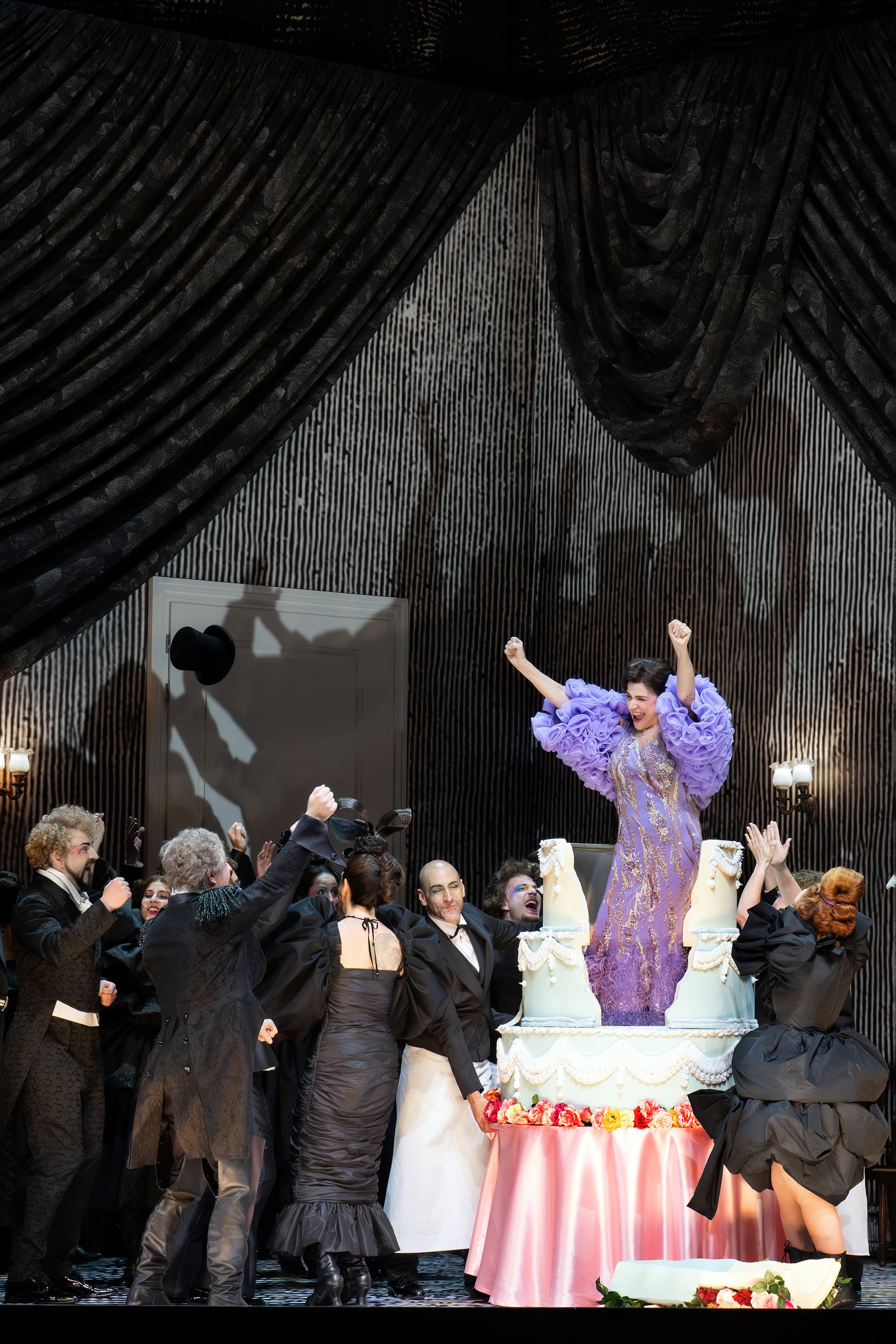
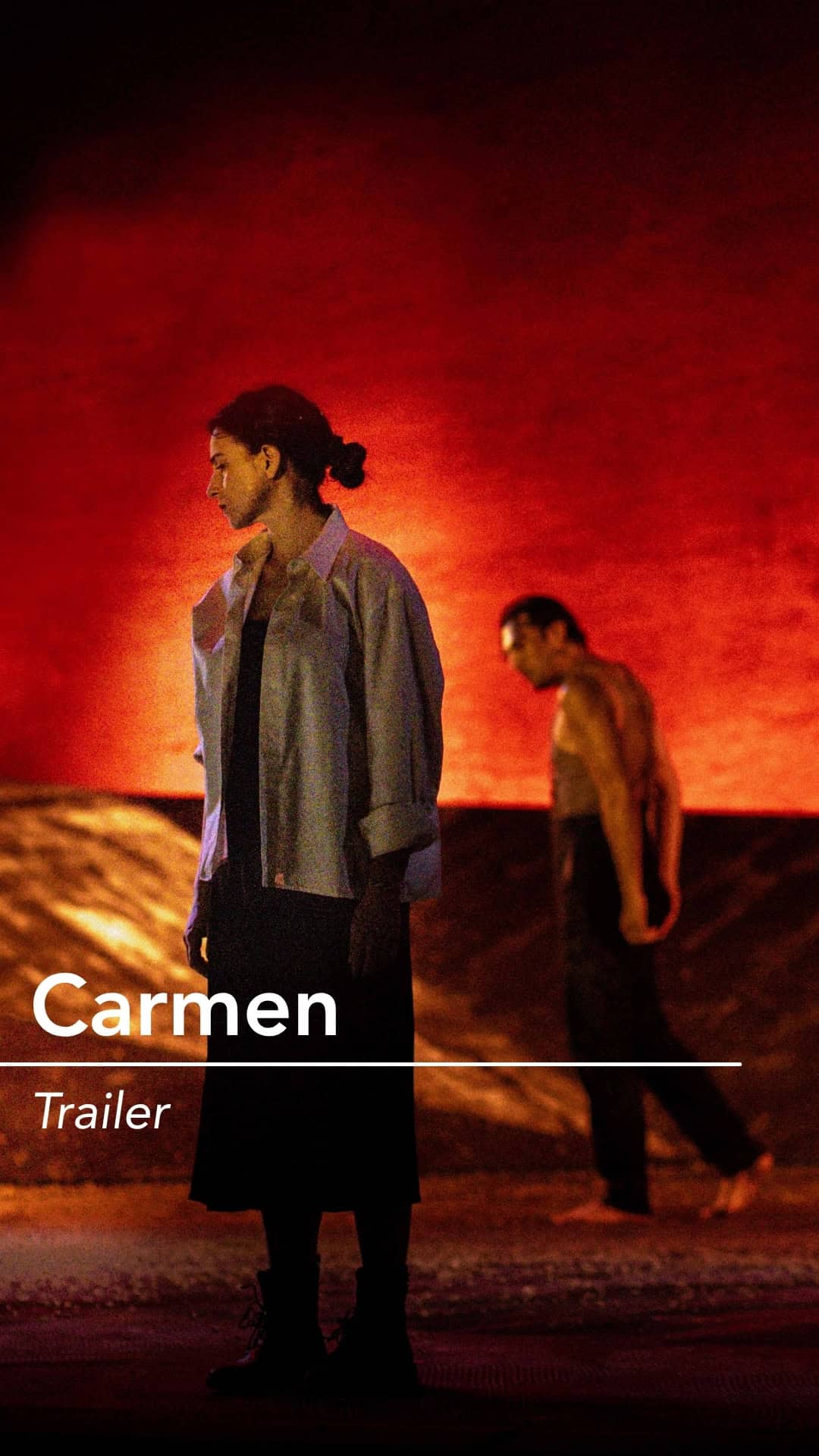
Asmik Grigorian as Carmen. With Mozart’s Don Giovanni, Teodor Currentzis at the podium and in collaboration with director Romeo Castellucci had already made Festival history in 2021. Now he turns to the figure who may be seen as Don Giovanni’s female counterpart. The title role goes to the soprano who has become, one might say, the prima donna of the Salzburg Festival in the Markus Hinterhäuser era: the versatile, exemplarily protean, in the best sense unpredictable Asmik Grigorian. To her Wozzeck’s Marie, Strauss’s Salome and Chrysothemis, Lauretta, Giorgetta and Angelica in Puccini’s Il Trittico, Polina in Prokofiev’s The Gambler and Verdi’s Lady Macbeth, she adds yet another glittering facet.
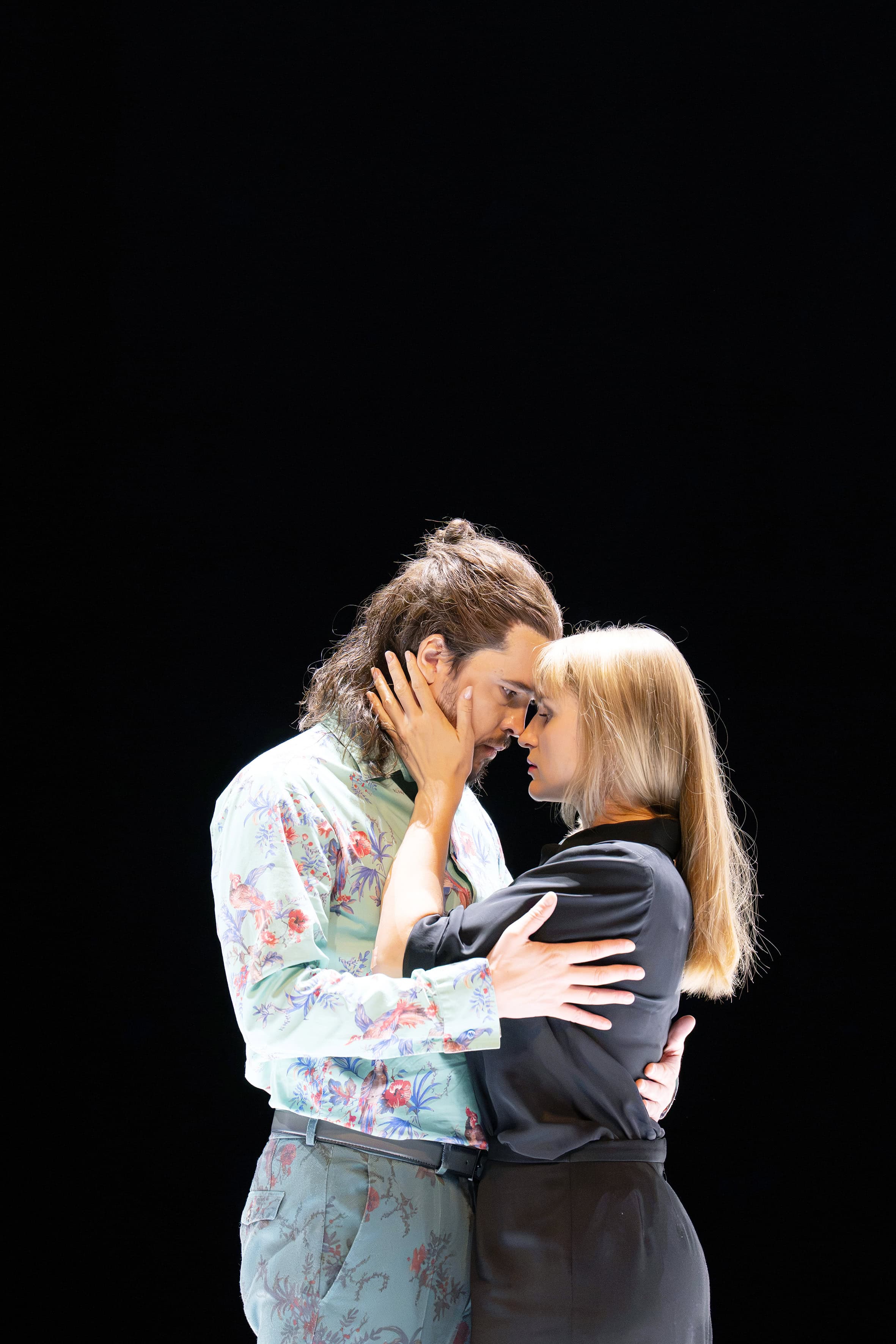
In director and choreographer Gabriela Carrizo‘s production, Jonathan Tetelman appears as Don José, Kristina Mkhitaryan as Micaëla, and as the toreador Escamillo, the Salzburg Giovanni of 2021 and 2022, Davide Luciano.
For the Bereaved. But as every summer, Teodor Currentzis once again takes on central points in the concert programme with his vocally and instrumentally, in each case outstanding forces of Utopia. At the opening of the Ouverture spirituelle, which stands under the motto „Miserere“, he combines the “Songs of Melancholy and Mourning” by the centenarian György Kurtág with the moving plea for mercy that Arvo Pärt allows to resound in his „Miserere“. The last things are then touched by a very special evening devoted to various musical manifestations of remembrance of the dead: Kurtág’s „Grabstein für Stephan“ (Gravestone for Stephan), Alban Berg’s singular violin concerto composed „Dem Andenken eines Engels“ (To the Memory of an Angel) – that of the 18-year-old Manon Gropius – and finally Johannes Brahms’s „Ein deutsches Requiem“, a work created not to mourn the poor souls and plead for them, but to offer the living strength and consolation.