The Opera Programme 2026
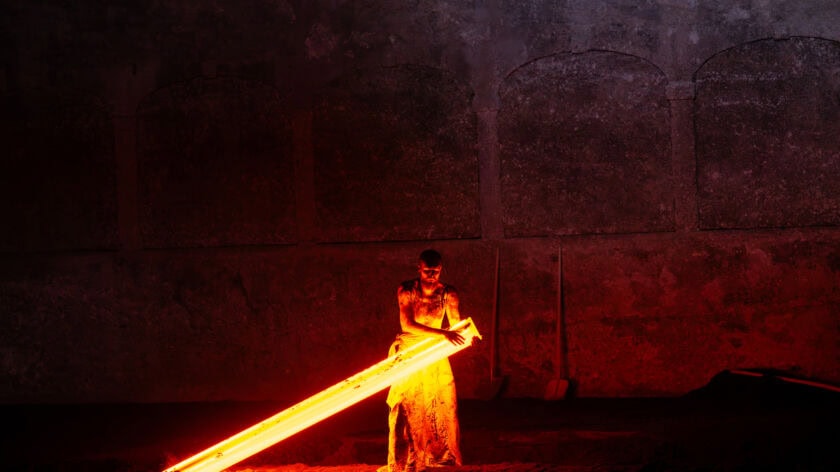
Love, possibly the most unreliable of human feelings, and its many manifestations are the focus of this Festival summer. This means contemplating human relationships – and every individual’s vulnerability.
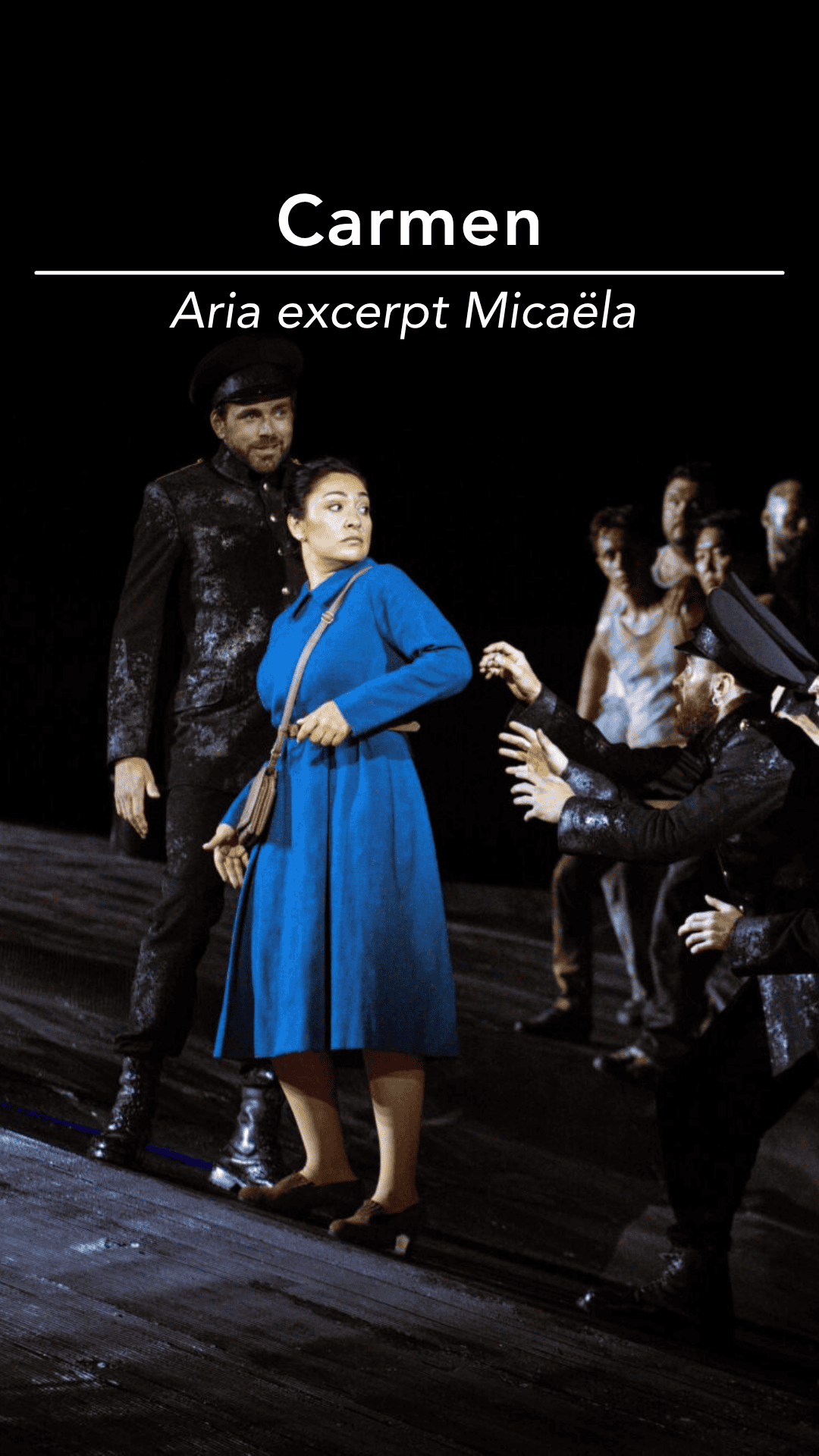
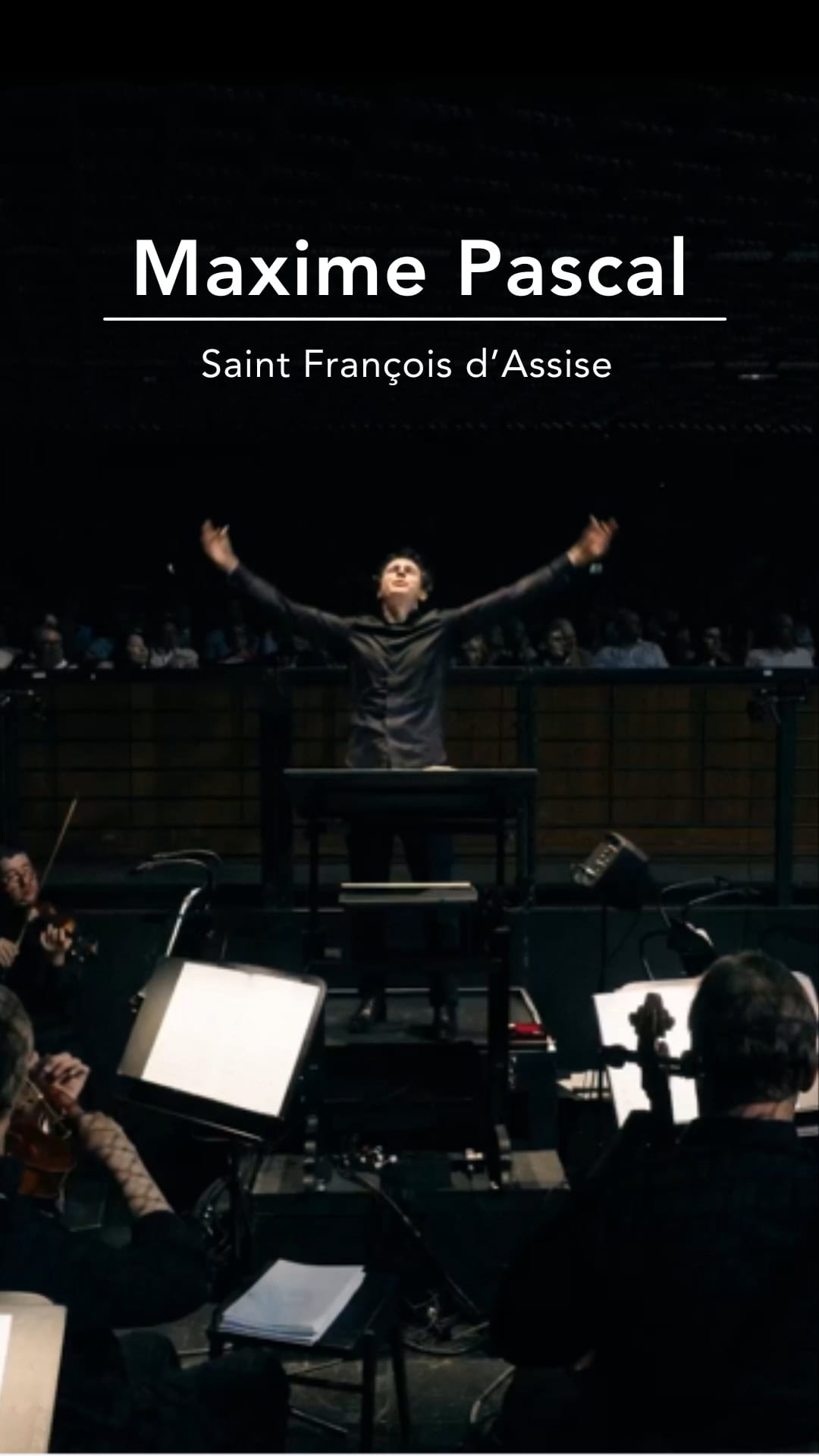
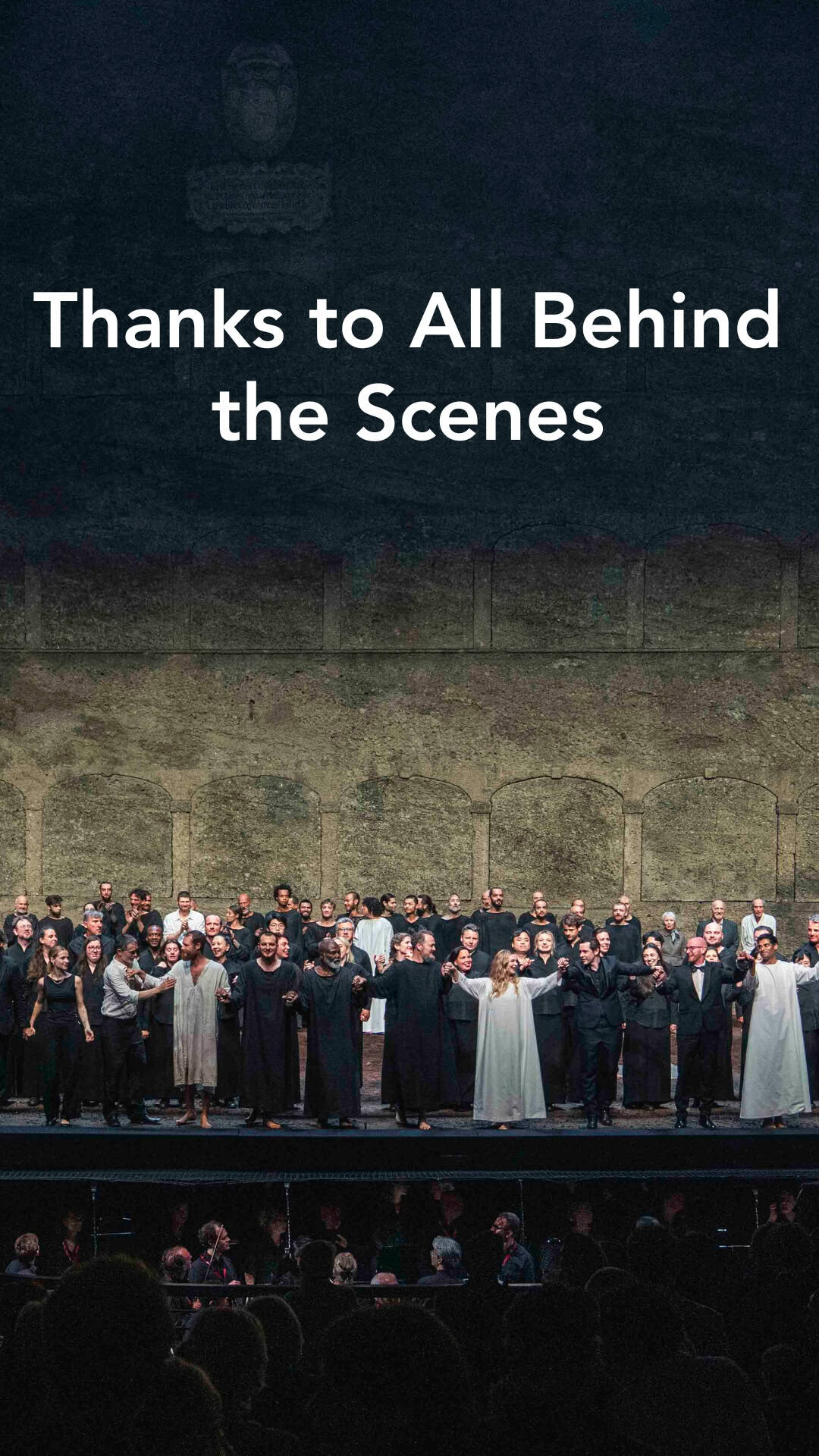
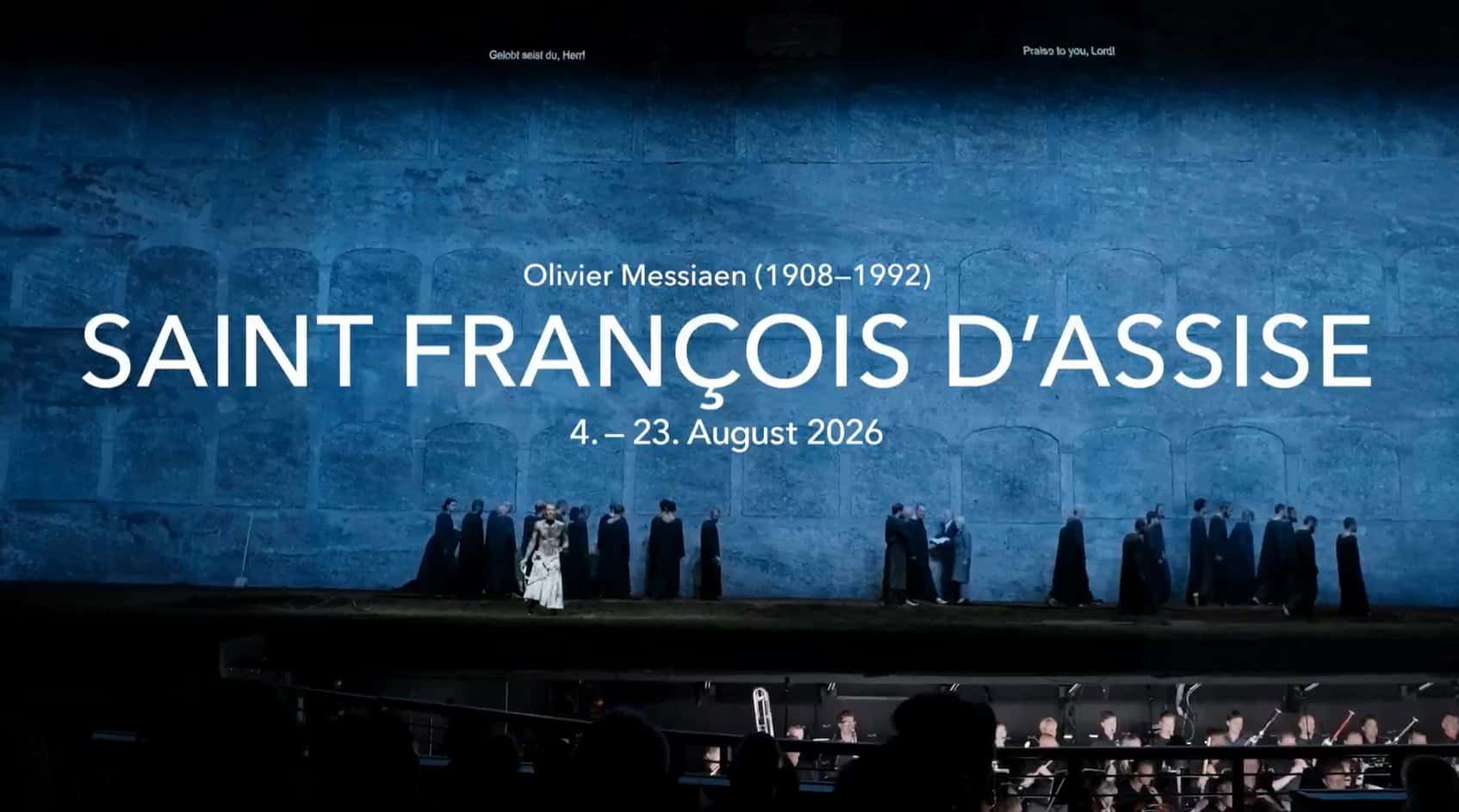
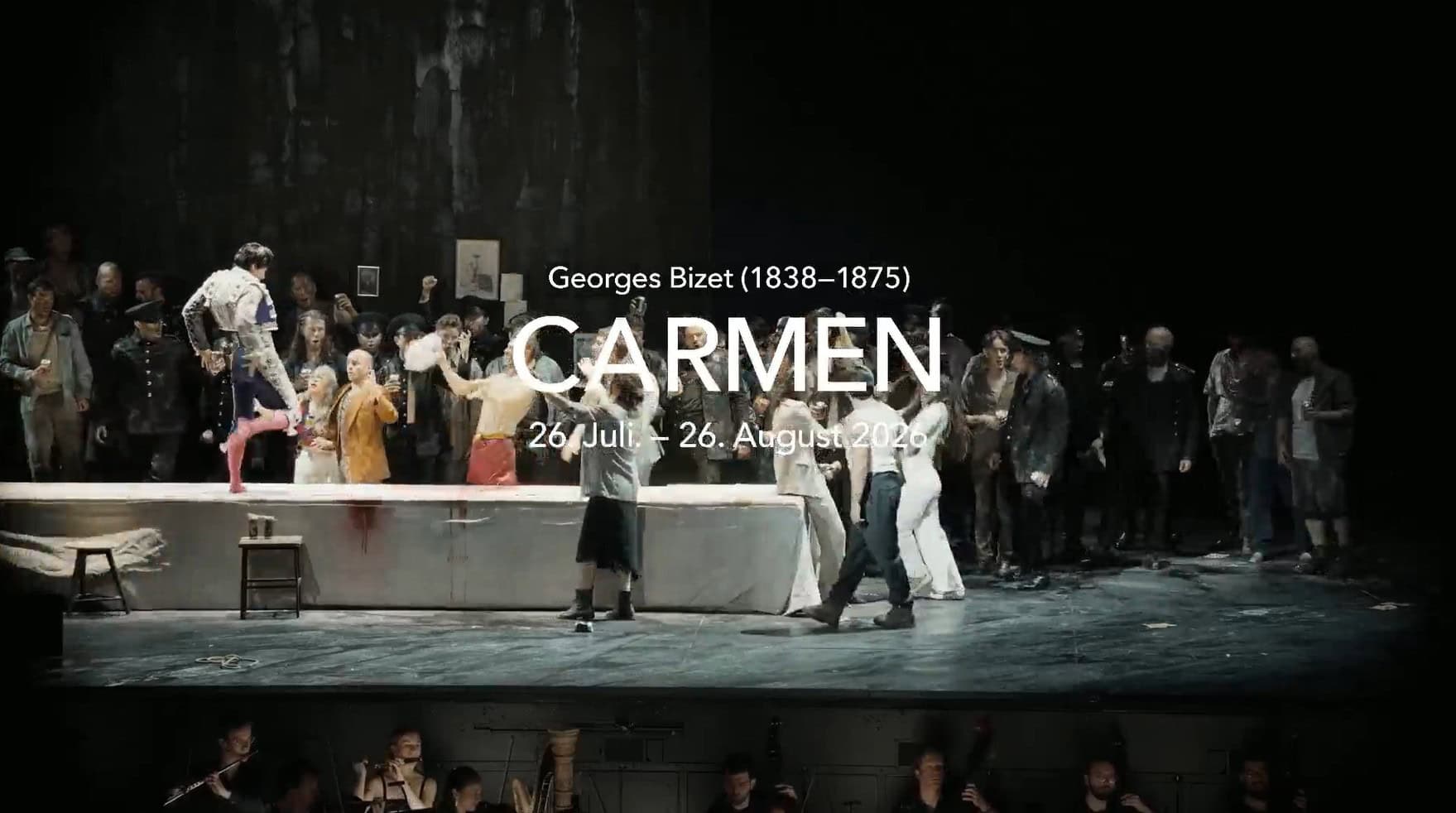
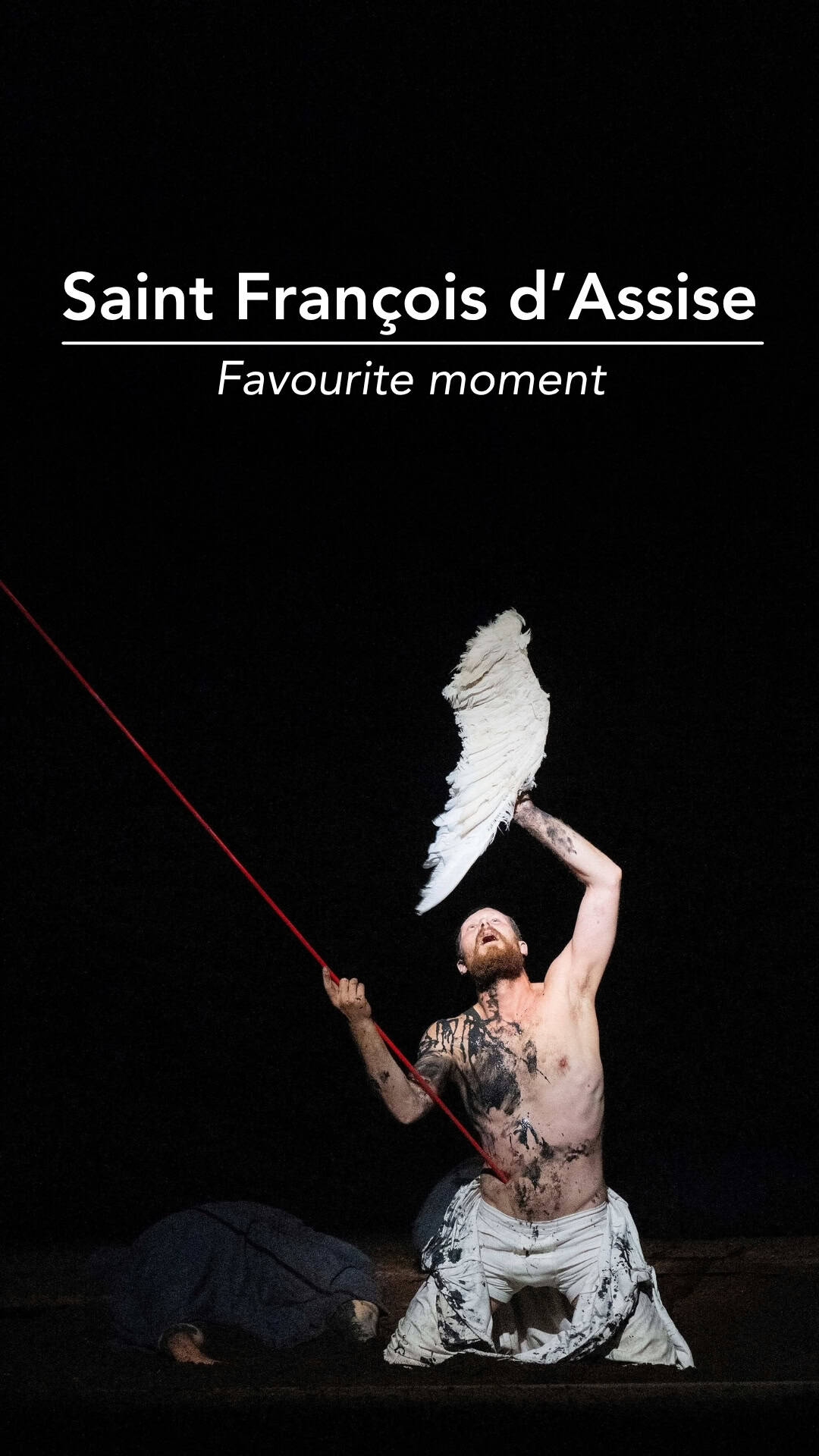
While Carmen embodies one principle, living love as freedom – until she is violently killed by the former lover she has abandoned -, in Così fan tutte, Mozart and Da Ponte spell out the dizzying laws of love, exploring the sense of being a stranger within one’s own desires. Olivier Messiaen, on the other hand, transforms individual romantic love into an infinite love that desires nothing. In Saint François d’Assise, his opus magnum, the tears of Eros turn into tears of joy.
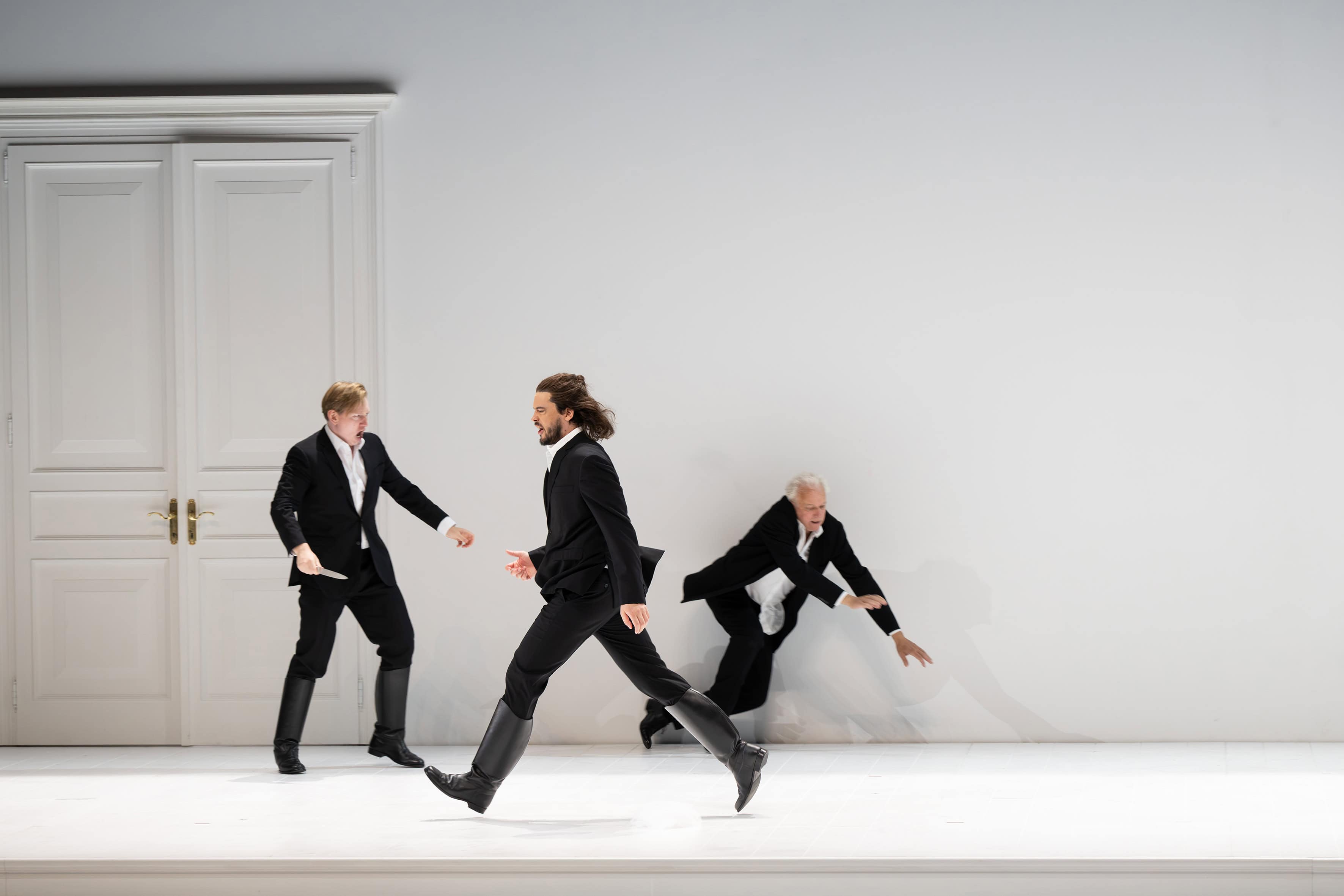
In Pascal Dusapin’s Passion, said passions pile up: “fear, joy, pain, horror, desire, delight, sorrow, love and rage,” which, in Goethe’s Werther – and in Jules Massenet’s reading – merge in the “sweetness of the abyss”, as Roland Barthes called it. Next, a complex web of lovers’ intrigues and broken relationships are the driving forces in Mozart’s Lucio Silla. They lead to a happy ending, to forgiveness, to renouncement. “Conquering one’s own heart, what victory could equal that?” A love story is also at the heart of Hans Werner Henze’s opera Der Prinz von Homburg, a love that ultimately puts in motion the conflict of the titular hero, torn between individual feeling and the order of the state.
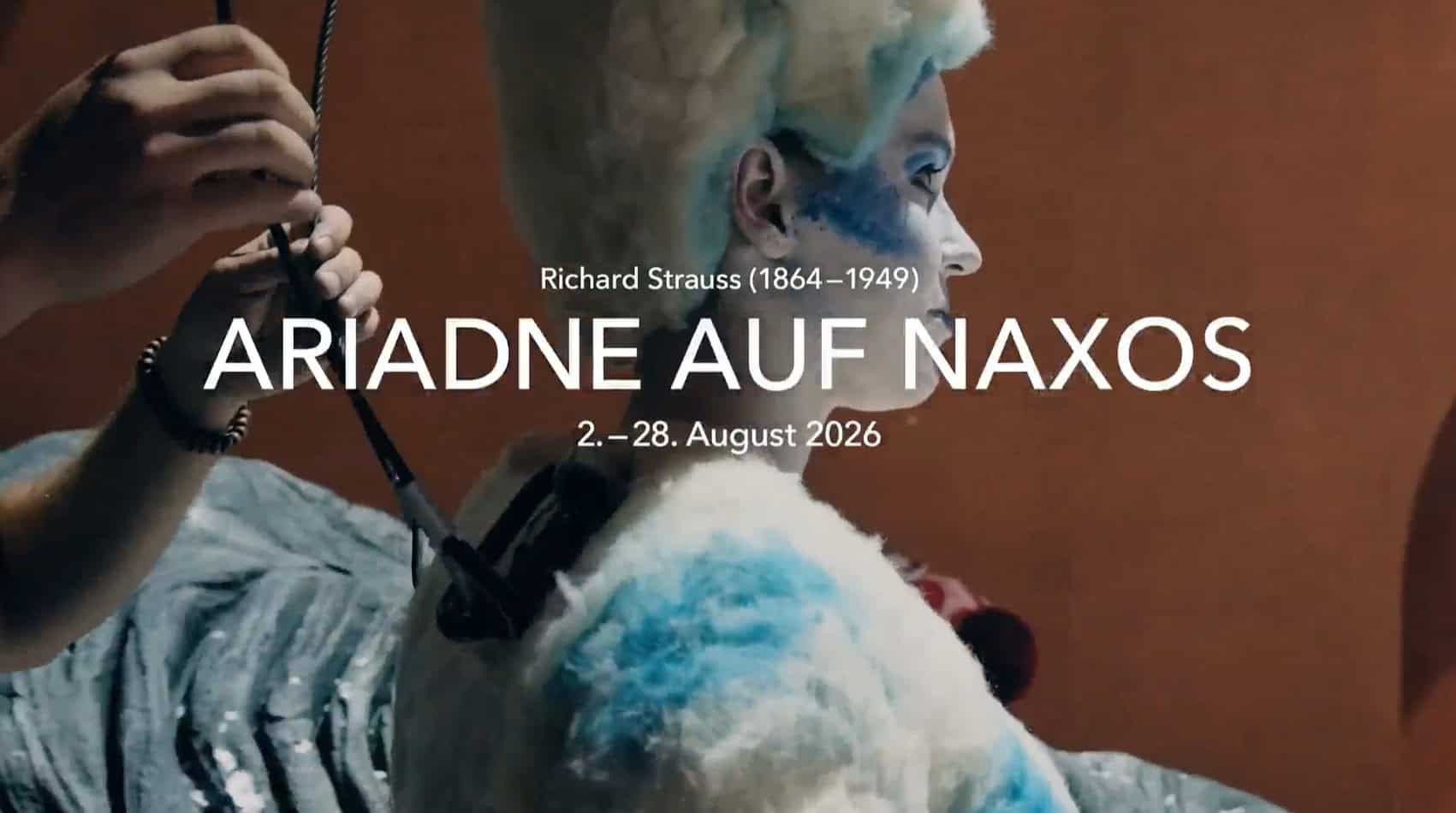
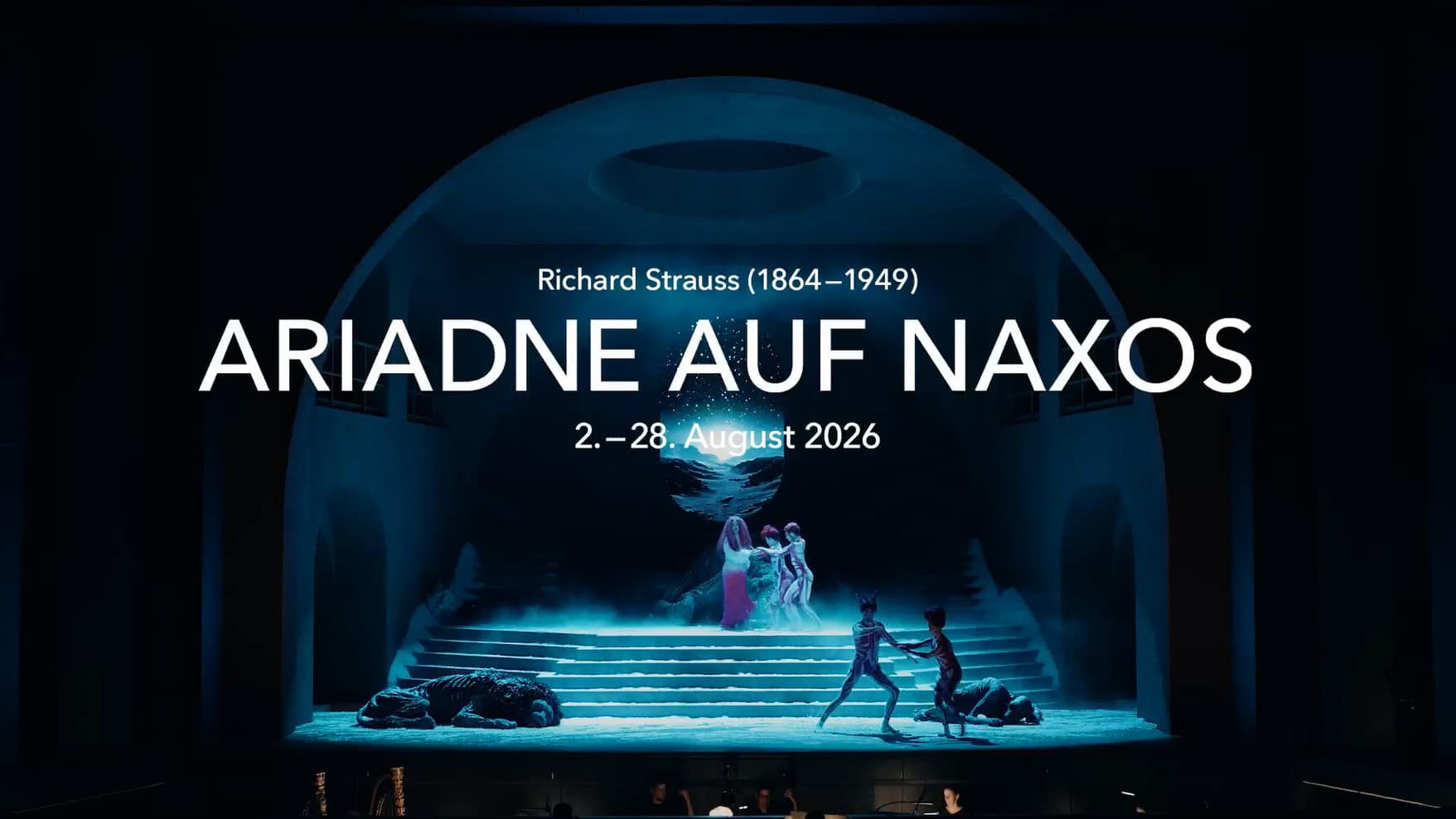
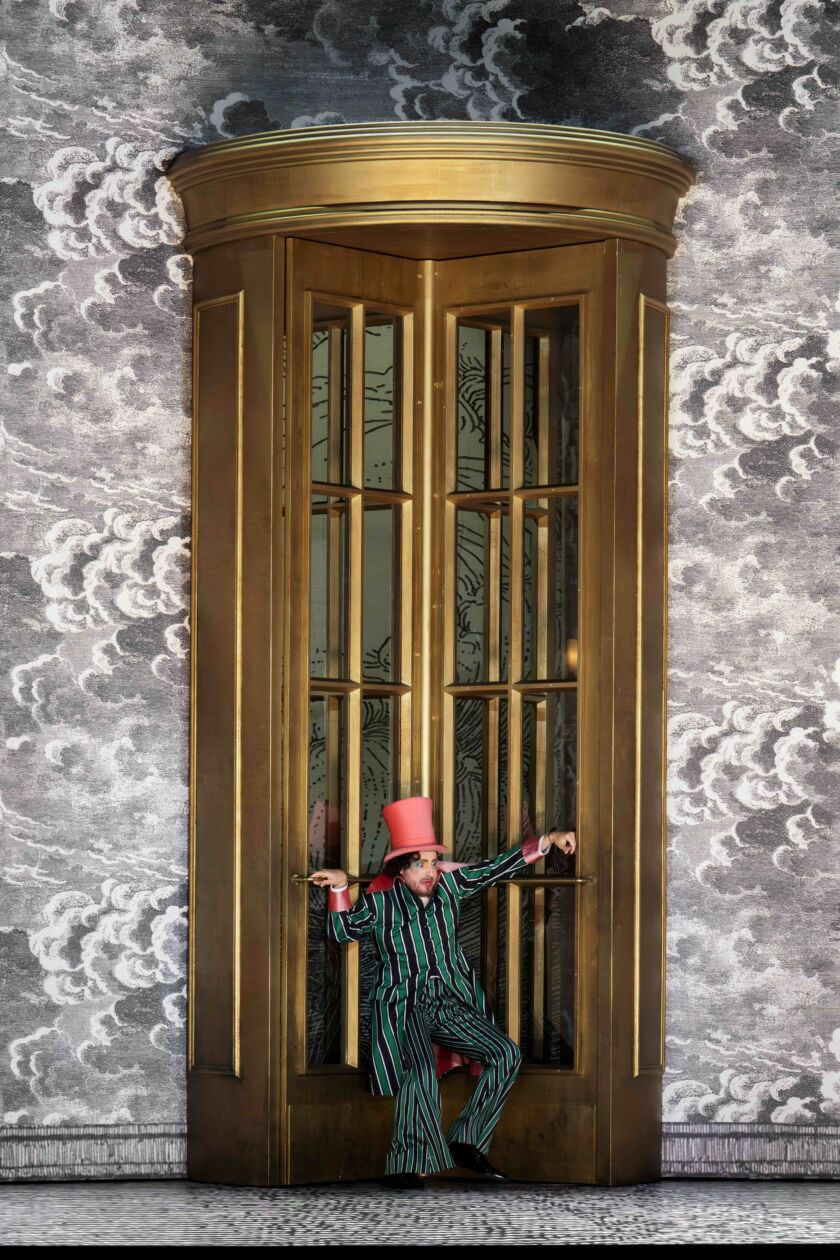
Love, comedy and intrigues – such are the ingredients of opera buffa. Gioachino Rossini is widely considered one of its grand masters and innovators, and he justifies this reputation with the virtuoso ensemble piece Il viaggio a Reims, which was long believed lost. “Light” entertainment comes face-to-face with “high” art in Richard Strauss and Hugo von Hofmannsthal’s Ariadne auf Naxos. Reflection on the nature of art, which unmasks the arrogance of society, is mixed with the tragic story of Ariadne, who believes in one eternal love. This concept of love is confronted with its counterpoint, the vivacious, comedic Zerbinetta, a carefree lover. A double life of love – a double life of opera …
Love’s logic (or lack of it) also informs the Festival’s 2026 drama programme, linking the genres in multiple ways. Dramatic works from three and a half centuries explore our self and our relationship with the other – countermanding rationality with the power of the heart, and cold reason with intuition and emotion. “Le cœur a ses raisons que la raison ne connaît point.” – “The heart has its reasons which reason knows nothing of.” (Blaise Pascal)
First published in the Festival insert of Salzburger Nachrichten