„The Birds Sing the Fifth Gospel“
God, humanity, creation: Olivier Messiaen’s monumental opera „Saint François d’Assise“ enables unique experiences at the boundary between asceticism and ecstasy.
You birds, my brothers, at all times and in all places, praise your Creator in ethereal fashion," calls Francis as he is overwhelmed by the beauty and richness of resounding nature at the giant oak tree in the monastery garden: "He has allowed you to sing so wondrously, so that you speak without words, as in the language of angels, through music alone." And the feathered heavenly hosts answer him in fantastic abundance.
The Sermon to the Birds is one of the most famous legends from the life of Saint Francis of Assisi (born 1181 or 1182, died 1226, thus 800 years ago), who left behind his family’s wealth, lived in poverty following the example of Christ, and thus became a founder of religious orders. It also plays a significant role in Olivier Messiaen’s monumental opera Saint François d’Assise, the opus summum of the great 20th-century composer, which received its world premiere in Paris in 1983: after Francis’s blessing, the instrumentally imitated songs unite into a glittering, shimmering choir of jubilation before all the birds fly off to the four points of the compass – under the sign of the cross.
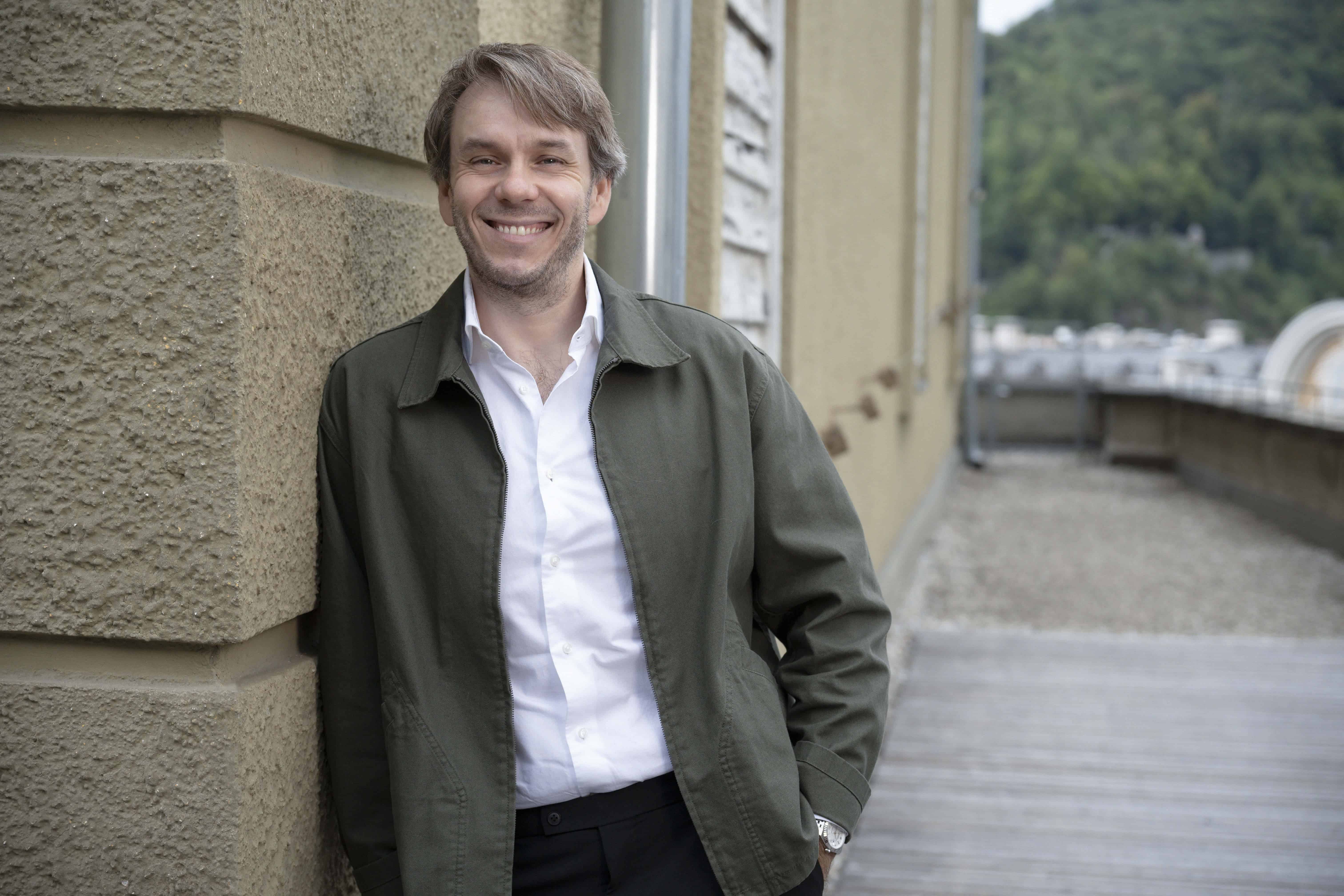
Chirped Praise of God. “The most important character in the opera is the birds,” says conductor Maxime Pascal, who will now rehearse this unique work afresh with the Vienna Philharmonic, the Vienna State Opera Chorus and an exquisite cast at the Salzburg Festival: “When you add up the lengths of time during which the orchestra – above all the woodwinds and xylophone – imitates the most varied birdsongs, you arrive at a longer duration than all the vocal parts combined.”
Throughout the entire opera, he explains, the metrically free birdsong in individual instruments or groups is composed so that it can unfold completely freely from the tempo and rhythmic pulse of the rest of the orchestra. As conductor, he must use his cues to awaken many birds, so to speak, who then no longer concern themselves with his beat – Pascal smiles: “A wonderful experience for the musicians too, to incorporate this improvisatory element.” Messiaen also quite deliberately chose birds for Francis that the composer had studied in New Caledonia, an island group in the South Pacific: the Saint explains that he heard them in a dream. “And naturally Messiaen uses these sounds, which for us come literally from the other end of the world, musically too. Not least for the song of the Angel in the opera.”
Golden-bellied monarch, noisy friarbird, Maori gerygone: who counts the birds, names their names? It is said that Messiaen could distinguish the songs and calls of 700 different species from around the world. With notebook in hand, on listening expeditions in the wild and – as has since become known – through numerous recordings, he absorbed an immense wealth from nature, which he transcribed with ever-growing precision into musical notation. He began this in a time also shadowed by personal tragedy.
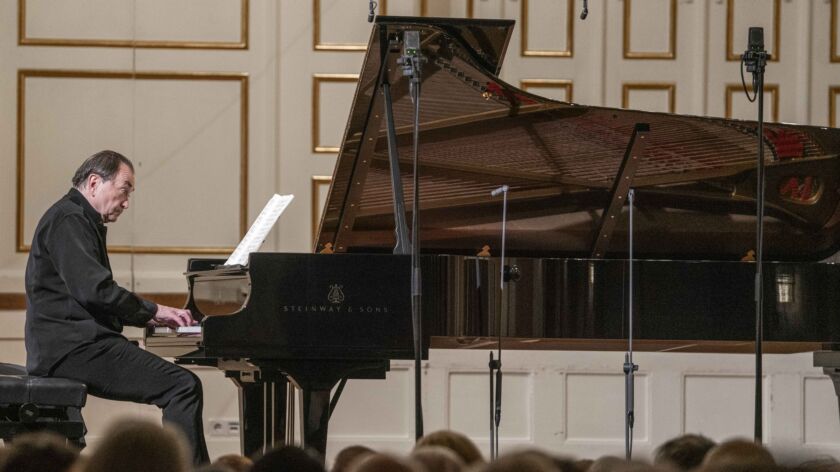
Blows of Fate. Messiaen and his wife, the violinist and composer Claire “Mi” Delbos, had written a whole series of works for each other and, after several painful miscarriages, had also had a son. Messiaen was then conscripted as a soldier from 1939 to 1941, before being interned in a Nazi prisoner-of-war camp, where he was able to write and perform the Quatuor pour la fin du temps (on 20 August at the Mozarteum). But even during the Second World War, Claire’s health began to deteriorate; after an operation she irretrievably lost her memory. Placed in a sanatorium, she died in 1959 of brain atrophy.
Meanwhile, as early as 1942, Yvonne Loriod had entered Messiaen’s life as a student in his harmony class at the Paris Conservatoire. The magnificent pianist, 16 years his junior, swiftly became his muse and principal interpreter. As a devout Catholic, however, he saw no way out of the dilemma between divorce and adultery. “And so we wept,” Loriod later recalled, “we wept for almost twenty years, until she died and we could marry.” In a creative frenzy, Messiaen channelled his situation into a trilogy of works centring on the Tristan myth, with the monumental „Turangalîla-Symphonie“ at its core: a hymn to “the fateful and irresistible love that transcends everything and overrides everything around it”.
The world premiere of this work – overflowing with colour and form, weighty gravity and joyful dance – took place in 1949 in Boston under Leonard Bernstein. And because Saint François d’Assise, some thirty years later, encompasses all facets of Messiaen’s creative output, its leitmotivically organised material also contains clear motivic connections to the „Turangalîla-Symphonie“. The attentive listening to specific birds and the wholly varied, sonically imitated use of their songs – with astonishing precision (as in the Catalogue d’oiseaux, from which Pierre-Laurent Aimard plays excerpts on 2 August at the Mozarteum) – had long since become a central element of his musical cosmos by the time of Saint François. Within it, the devout and the sensuous, the cosmic and the earthly, the joy in creation and the splendour of the divine plan of salvation merge into one – in the rapturous, the mystical, the sublime.
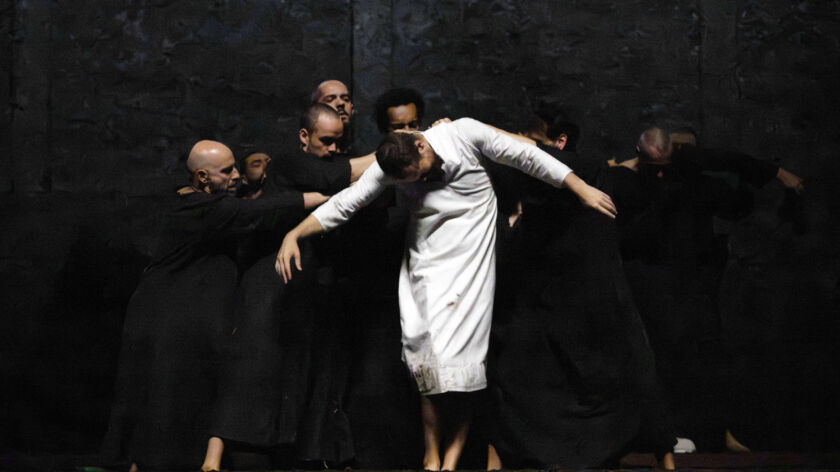
Messiaen, the Singular. Thomas Daniel Schlee, who died in 2025 and was himself a composer and organist like Messiaen and still one of his pupils in the 1970s – as were previously such luminaries as Pierre Boulez and Karlheinz Stockhausen – once summarised the greatness of this master as follows: “In the field of organ music, his works are in significance equal to those of Johann Sebastian Bach himself – an observation that can hardly be made of any other œuvre. As a composition teacher of music-historical impact, Olivier Messiaen ultimately achieved a status previously held by Arnold Schoenberg. What makes Messiaen’s artistic legacy appear so uniquely singular in our time is its deep, total immersion in the world of Catholic faith.”
With unaffected love and devotion, Messiaen – who became titular organist of the Parisian parish church of La Trinité in 1931 – fulfilled his Sunday and festive duties there for over six decades, until his death in 1992 at the age of 83. Many of his works have specific Christian references, such as the Visions de l’Amen for two pianos (11 August, Mozarteum). He shied away neither from paying homage in his music to the timelessly ritualistic quality of Gregorian chant, nor to the archaic dignity of modality – nor to the major and minor triads derived from the overtone series. While his pupils in the avant-garde circle devoted themselves to strict serialism, for which Messiaen himself had provided the foundation and example, Messiaen himself – like one of his beloved birds – had long since soared again into the higher, freer, more iridescent spheres of melody and harmony.
The Humble Saint. When Rolf Liebermann, then director of the Paris Opera, commissioned Messiaen to write an opera in 1975, the composer hesitated. He considered the centre of his thinking – the Resurrection of Jesus – impossible to portray on stage, and he also found the idea of a prophet unsuitable, even though the subject had to be religious. Liebermann finally advised him to “choose a human being”. In the humble Francis, the composer found the figure that was closest to Christ and at the same time emotionally nearest to himself – not least through the connection to the birds.
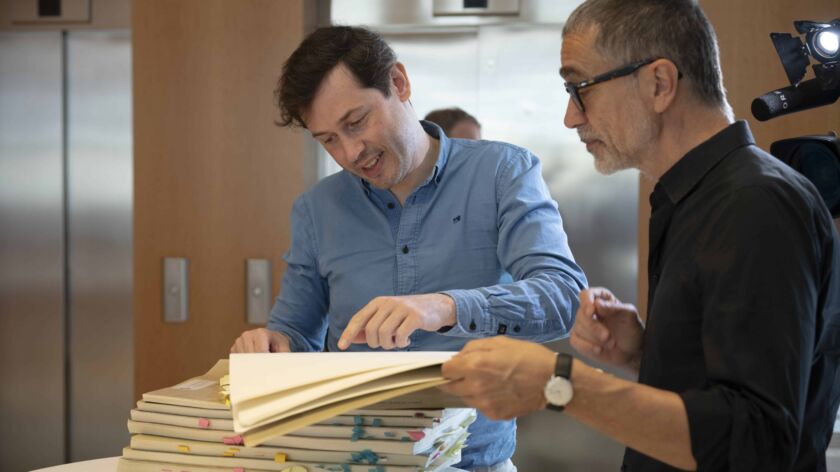
Messiaen’s work on this piece, “the crowning achievement of his creative output in scope and richness of beauty” (Schlee), stretched over a full eight years, from 1975 to 1983, and encompasses the dramaturgical conception and the libretto. The deliberately undramatic sequence of scenes in the three acts known by the subtitle „Scènes franciscaines“, comprising eight tableaux (The Cross, The Laudes, Saint Francis Kissing the Leper, The Wandering Angel, The Angel Musician, The Sermon to the Birds, The Stigmata, Death and New Life), concentrates on a small number of characters (the only female soloist belongs to the major role of the Angel) and on the events of grace in the life of Francis. The musical forces deployed are enormous: an orchestra of around 120 players with substantial percussion, a vast chorus, plus the solo parts. In the nearly four hours of pure music, structured by its own leitmotif technique, unaccompanied monophonic singing alternates in the manner of the old responsories with sumptuous tuttis. Some 2,000 pages of manuscript were needed to commit it all to paper. At the beginning of June 1980 the particell was complete – the full course of the work in condensed notation. Working out the complete score (see title image) was to take Messiaen a further three years.
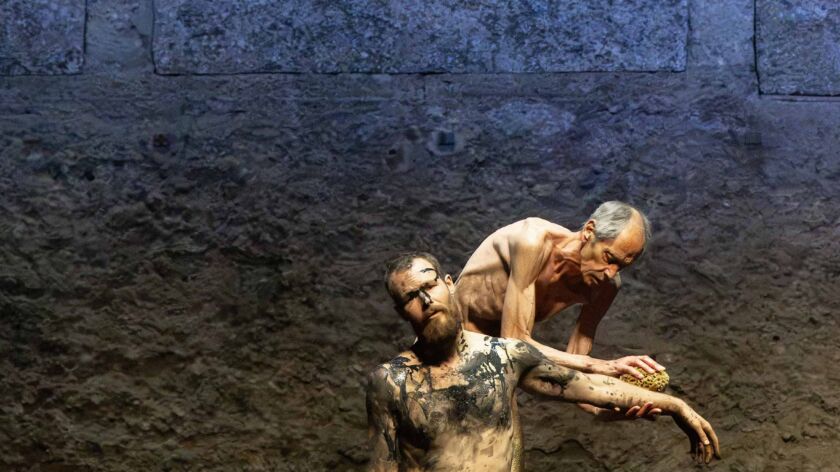
Festival Monuments. When Saint François d’Assise now returns to Salzburg, it both connects with a milestone in Festival history and sets a landmark in the early years of the Festival’s second century. After the already-mentioned world premiere in Paris in 1982 under Seiji Ozawa, the Felsenreitschule production by Peter Sellars with sets by George Tsypin – conducted in 1992 by Esa-Pekka Salonen, and at the 1998 revival by Kent Nagano, both times with José van Dam in the title role and Dawn Upshaw as the Angel – was one of the most influential productions of the Mortier era.
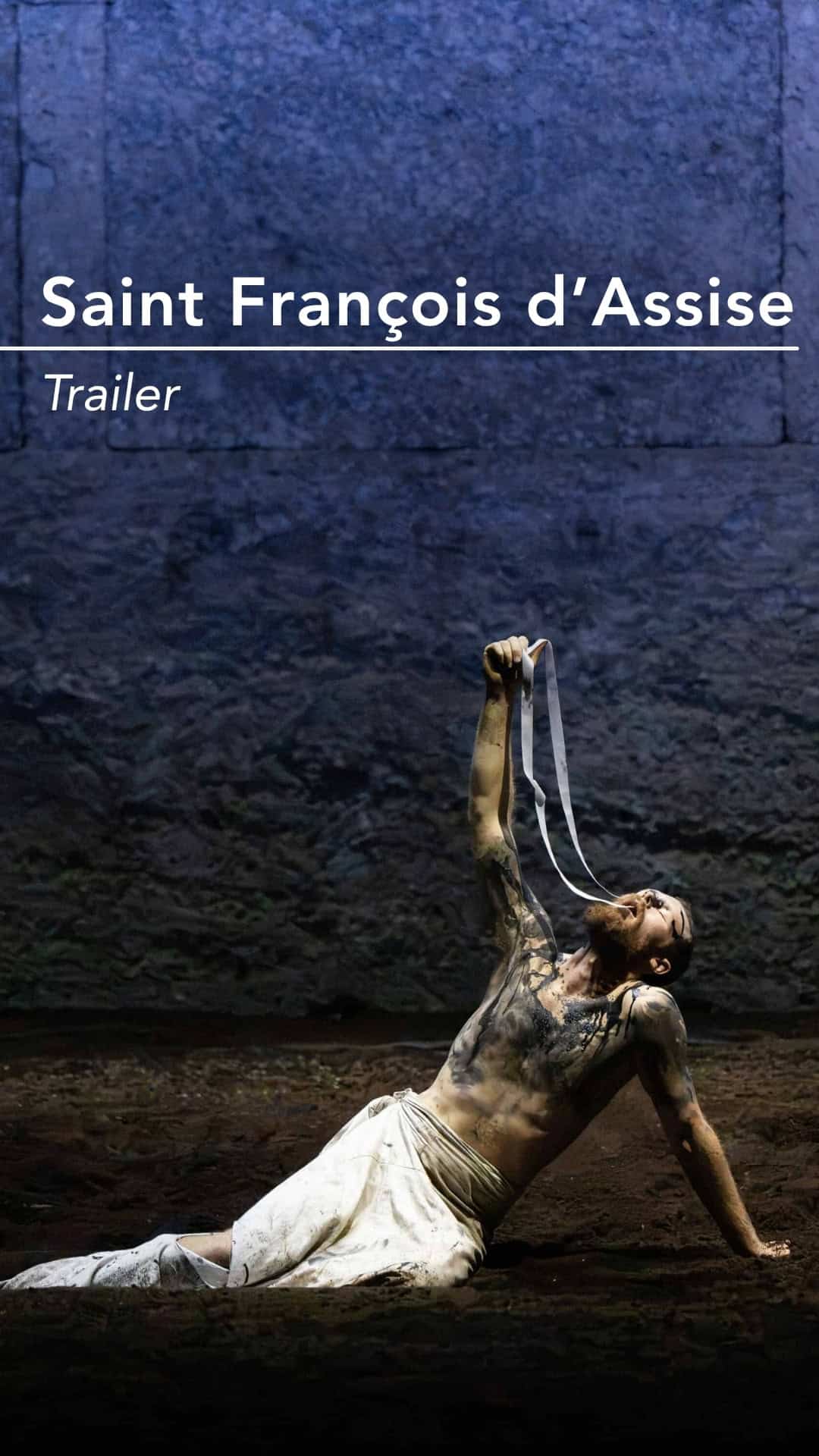
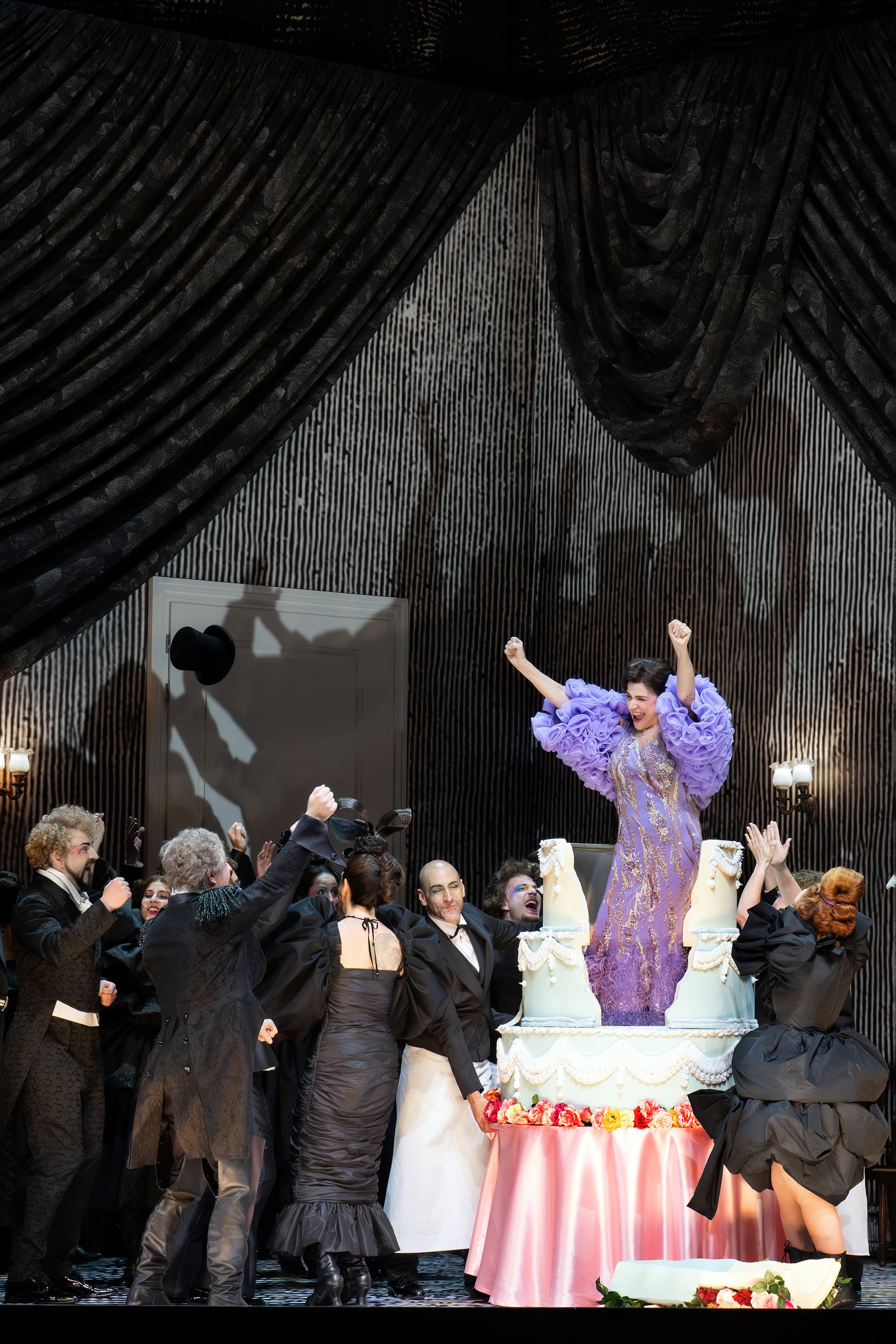
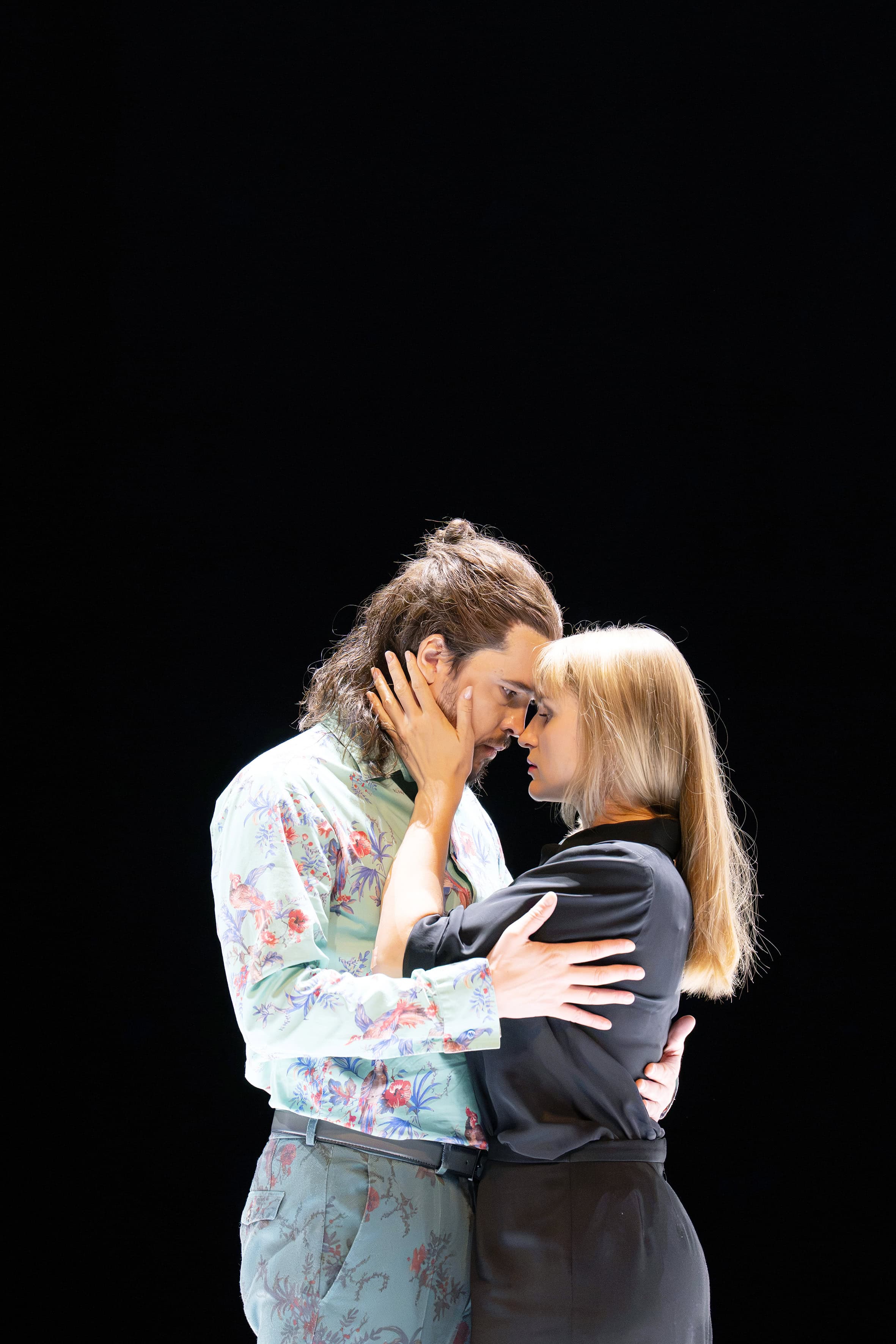
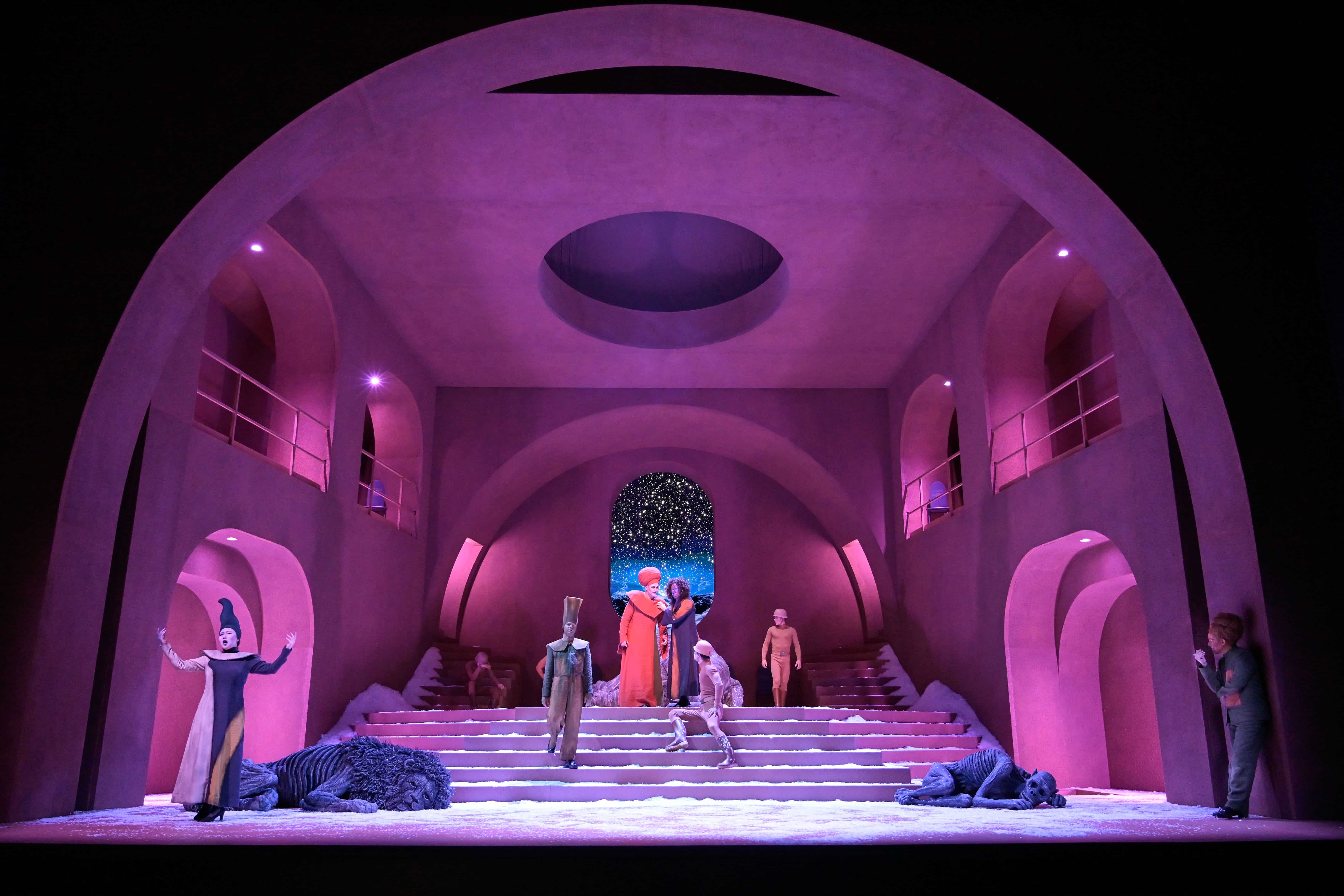
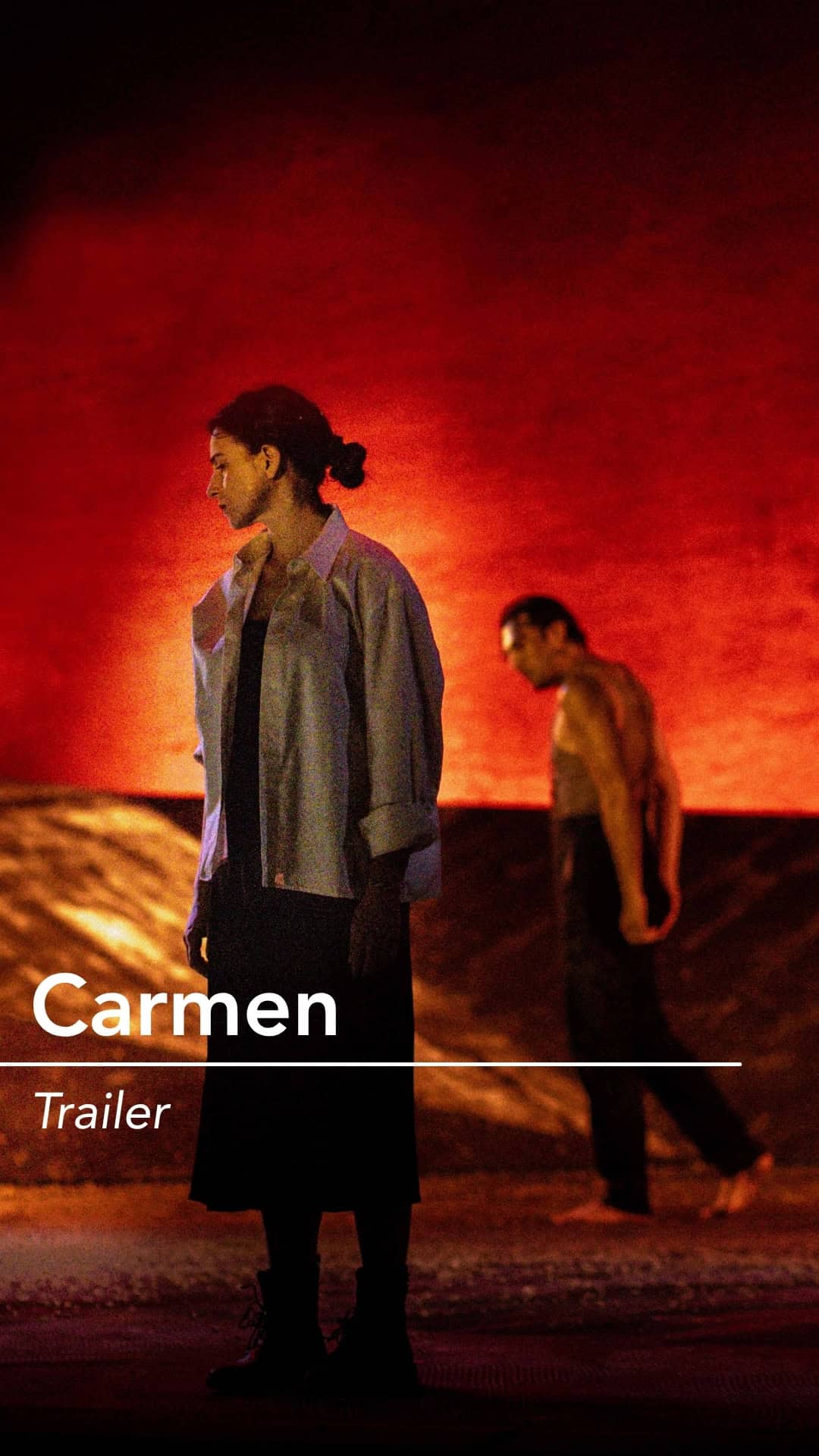
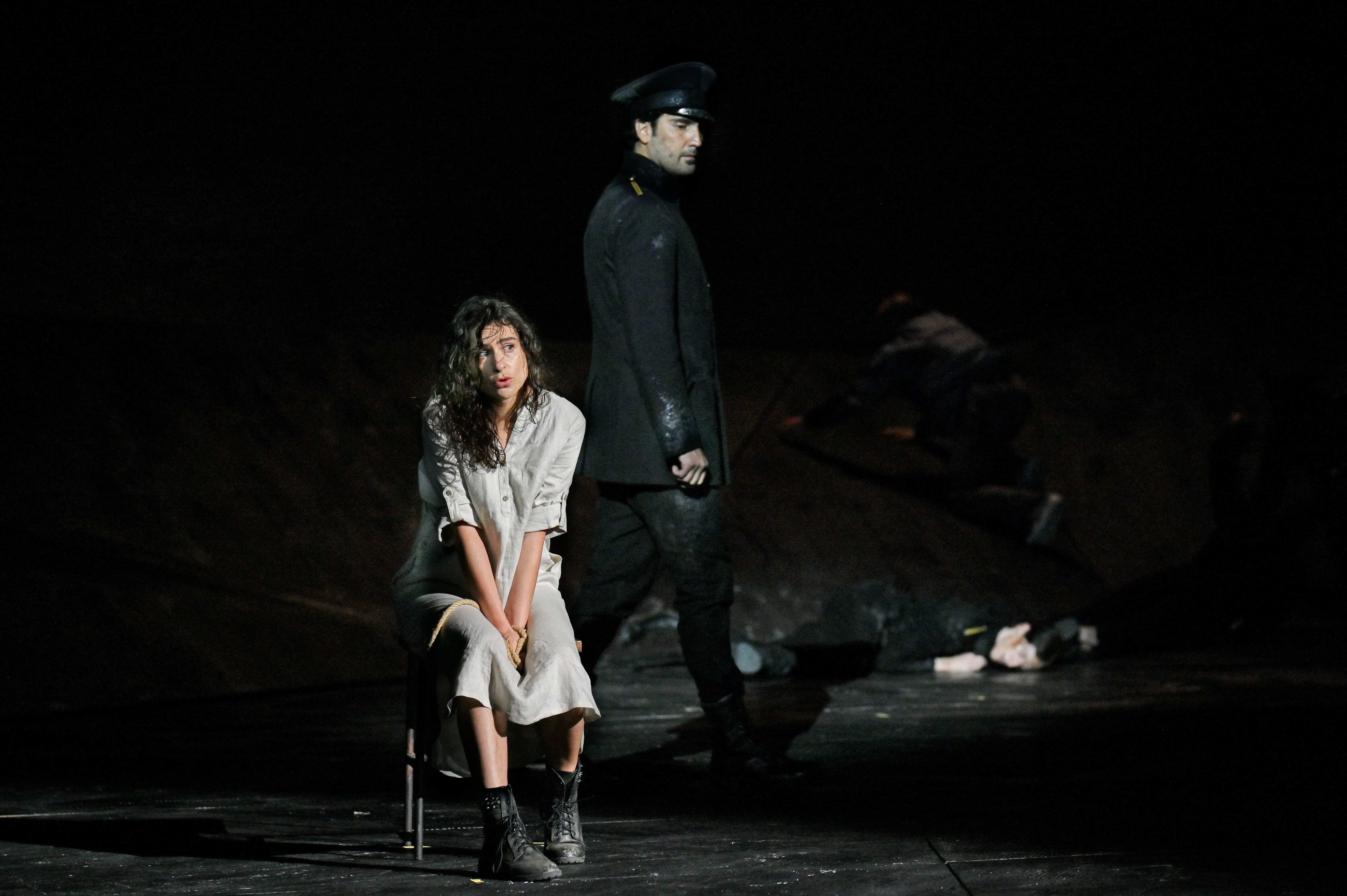
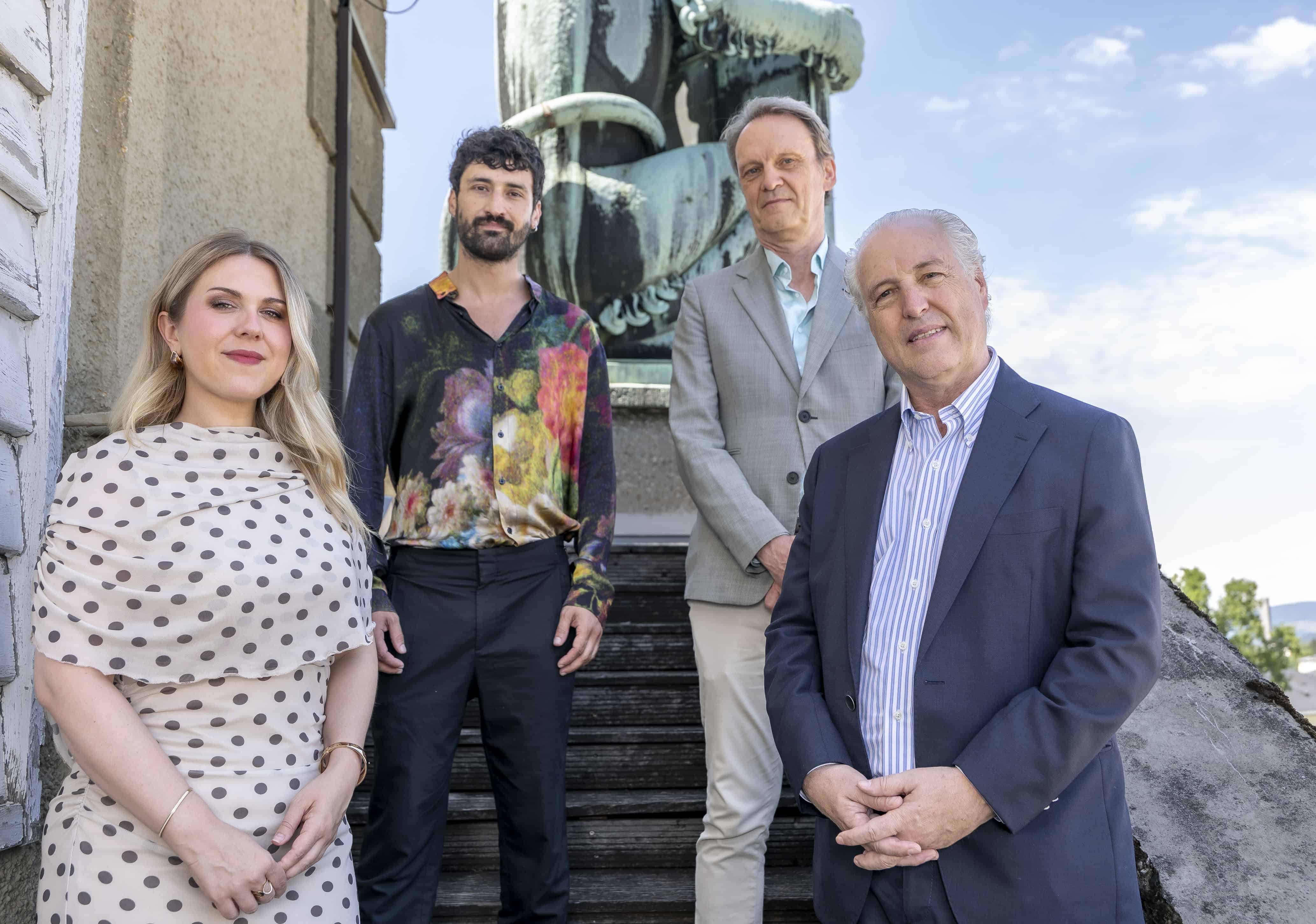
In 2026, Romeo Castellucci – perhaps the most daring theatre-maker of our time – takes on the challenge of re-imagining Saint François d’Assise in scenic terms; for the first time, it is the Vienna Philharmonic that rises to this ultimate Messiaen challenge; Philippe Sly and Lauranne Oliva lead the cast as Francis and the Angel. Castellucci has previously caused a sensation at Salzburg above all with his productions of Salome and Don Giovanni. For him, what is significant is not least that Messiaen gives such “great weight to those who have no weight, who possess no verbal language: birds do not speak as we do, and yet they possess the greatest dignity.” Moreover, a third of the creatures he once documented have already become extinct – meaning that the work now also carries inscribed within it the “painful aspect of nature’s disappearance”.
Castellucci sees Francis as a radical who must have seemed mad to some of his contemporaries, but also as a child who is seeing the wonders of the world and the deeds of human beings for the first time. This makes him someone “who breaks with conventions, who introduces a new way of seeing and understanding the world – religion, society, and above all the body. Francis discovers the body in the Middle Ages.” Jesus’s crucifixion and Francis’s reception of the stigmata are extreme bodily experiences. “And from this discovery of the body, which one might appear to describe as the simplest of things, humanism and the Renaissance emerge.” Castellucci interprets the deeply devout Messiaen’s bird transcriptions as a “dialogue with God – he wanted to write down the words of God.” For: “The birds sing the fifth Gospel.”