In the breadth of its worldview and the intensity of sensual experience that it contains – not to mention the sheer artistic audacity of its creator – Olivier Messiaen’s opera Saint François d’Assise occupies a position in the second half of the 20th century akin to that of Richard Wagner’s Tristan und Isolde in the 19th. It, too, is a major work of music history – indeed a key work of its time. These two stage works are also linked by the theme of love. It is in each case an immeasurable love that culminates in death, though in Wagner it is the love between a man and a woman, whereas in Messiaen it is the love of a man for Jesus Christ.
Even when he was a child, Messiaen was deeply religious and felt closely connected to the Roman Catholic Church. While his compositions were being performed by the most renowned orchestras of Europe and the USA, Messiaen spent decade after decade playing the organ for the services at the church of La Trinité in Paris. Throughout his life, he remained committed to this dual identity as a joyfully adventurous composer and a Christian steeped in his faith. We can already observe this duality in his outstanding piano cycle Vingt Regards sur l’Enfant-Jésus (Twenty contemplations of the Infant Jesus), which lasts over two hours and was composed in 1944, almost 40 years before the world premiere of his Saint François d’Assise.
But there was a third dimension to Messiaen the composer: his passion for ornithology. In 1952, he began to write down the music of birdsongs in what became dozens of little notebooks. He travelled across the continents, searching all the while for new birdsongs. They became a source of inspiration in his compositions for piano and for orchestra, and ultimately also – in their most perfect manifestation – in his only opera, which is appropriately dedicated to the saint who spoke to the birds.
Messiaen’s opera is an extraordinary work, not least in terms of the immense vocal and orchestral forces that it requires, and that are responsible for the rarity of its performances. 2026 marks the 800th anniversary of the death of St Francis of Assisi, though commemorating this event is just one of many reasons why we should engage with this monumental opera. Saint François d’Assise still has fundamental things to tell us today, and is a work that communicates an existential experience. To encounter St Francis is to enter into a spiritual sphere that makes the highest demands of us. For as Messiaen himself recognized, St Francis was astonishingly radical. This was revealed in his permanent break with his past and his family, in his striving for the most extreme poverty, in his celebration of both the beautiful and the ugly, of both life and death – and in his obsessive relationship with the sufferings of Christ, even to the point of wanting to live out those sufferings himself. This radicalism is far removed from the image of St Francis that the Church likes to convey to tourists, and far removed from those cloying depictions of him that understate the spiritual power and revolutionary energy of both the saint himself and what he has to tell us.
Messiaen’s engagement with St Francis was a process that took several decades, making this, his magnum opus, a consolidation of his entire life as a composer. The return of Saint François d’Assise to Salzburg opens up the Poverello’s ‘path of grace’ once more. It is now up to us to follow him and to accompany Messiaen in the footsteps of the man he questioned constantly in order both to understand him better and to love him more deeply.
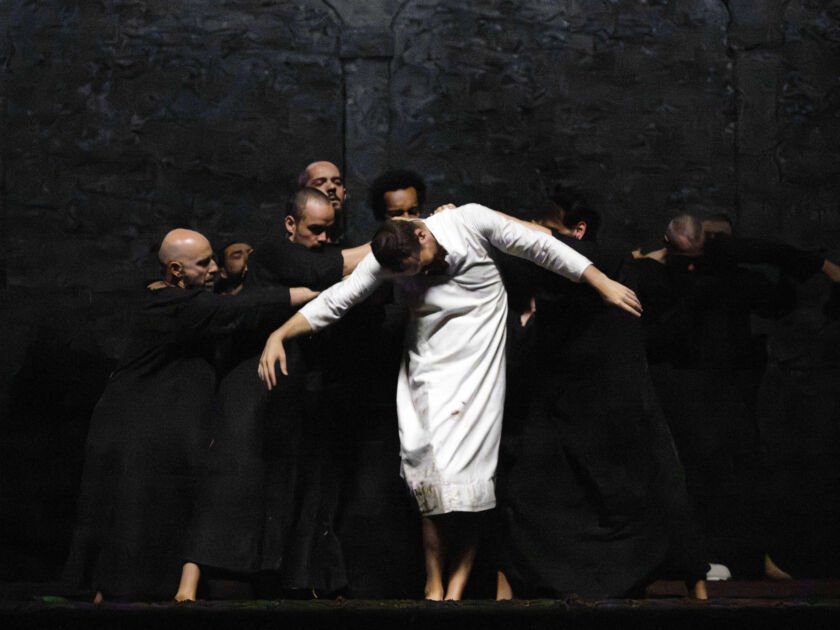
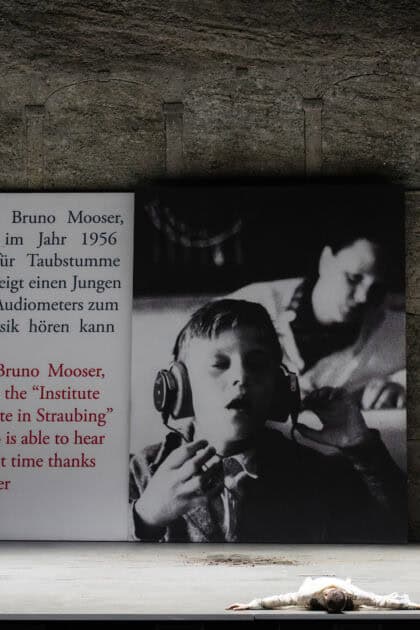
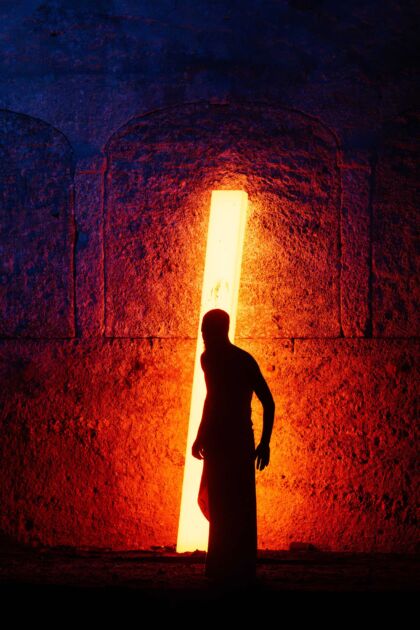
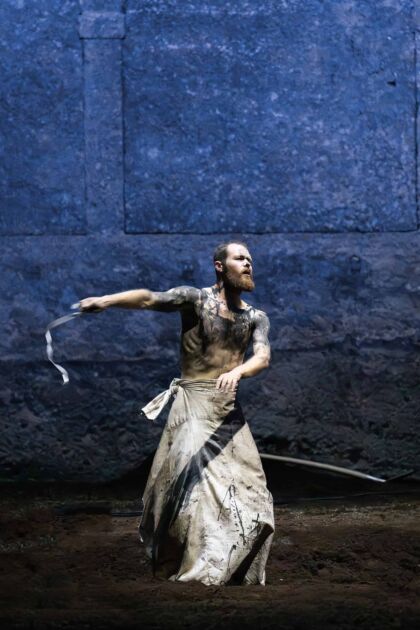
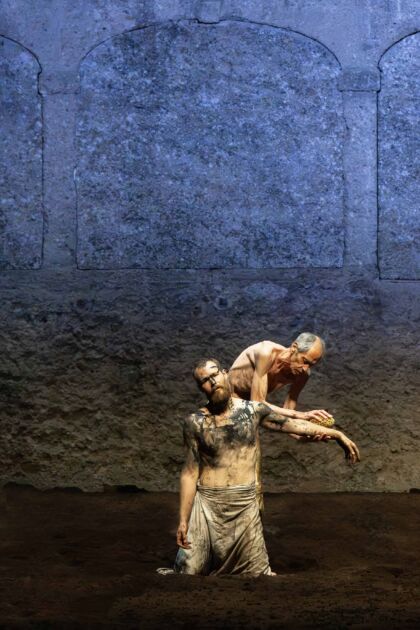
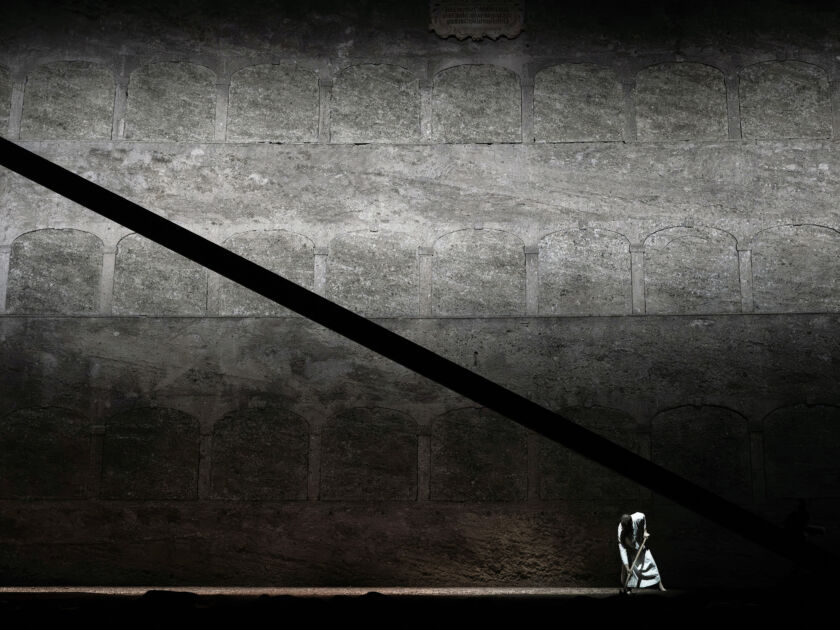
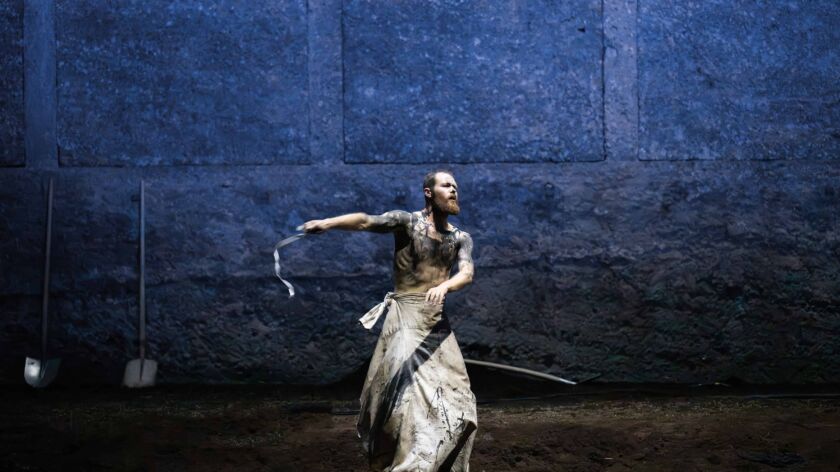
This new production for Salzburg brings the director Romeo Castellucci and the conductor Maxime Pascal back to the Felsenreitschule. The baritone Philippe Sly is making his debut in a role that is unique in the operatic repertory, offering a deeply human experience and a metaphysical quest that is close to the Earth, to its stones and to the immensity that we carry within us.
Christian Longchamp
Translation: Chris Walton