Condensed Atom Meets “Ländler” Sound
The Salzburg Festival pays homage to György Kurtág with no fewer than nine concerts and traces his deep elective affinity with Franz Schubert.
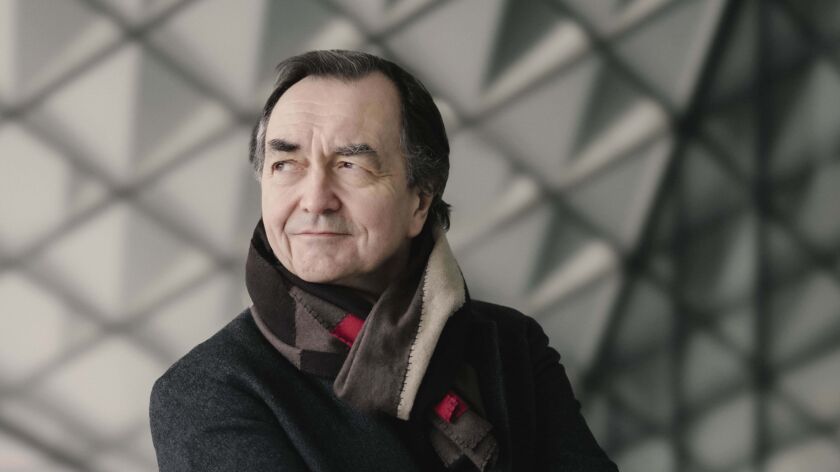
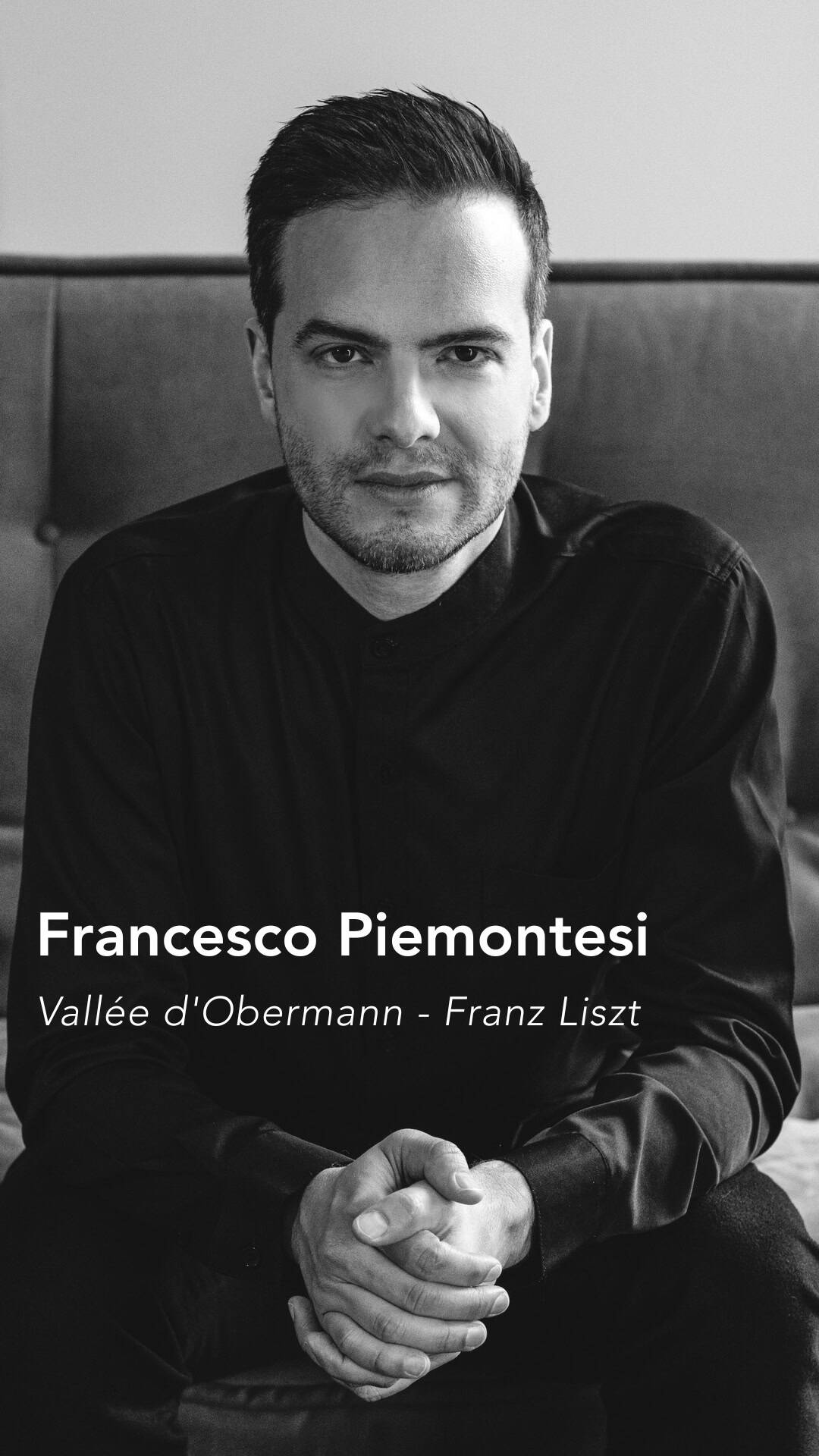
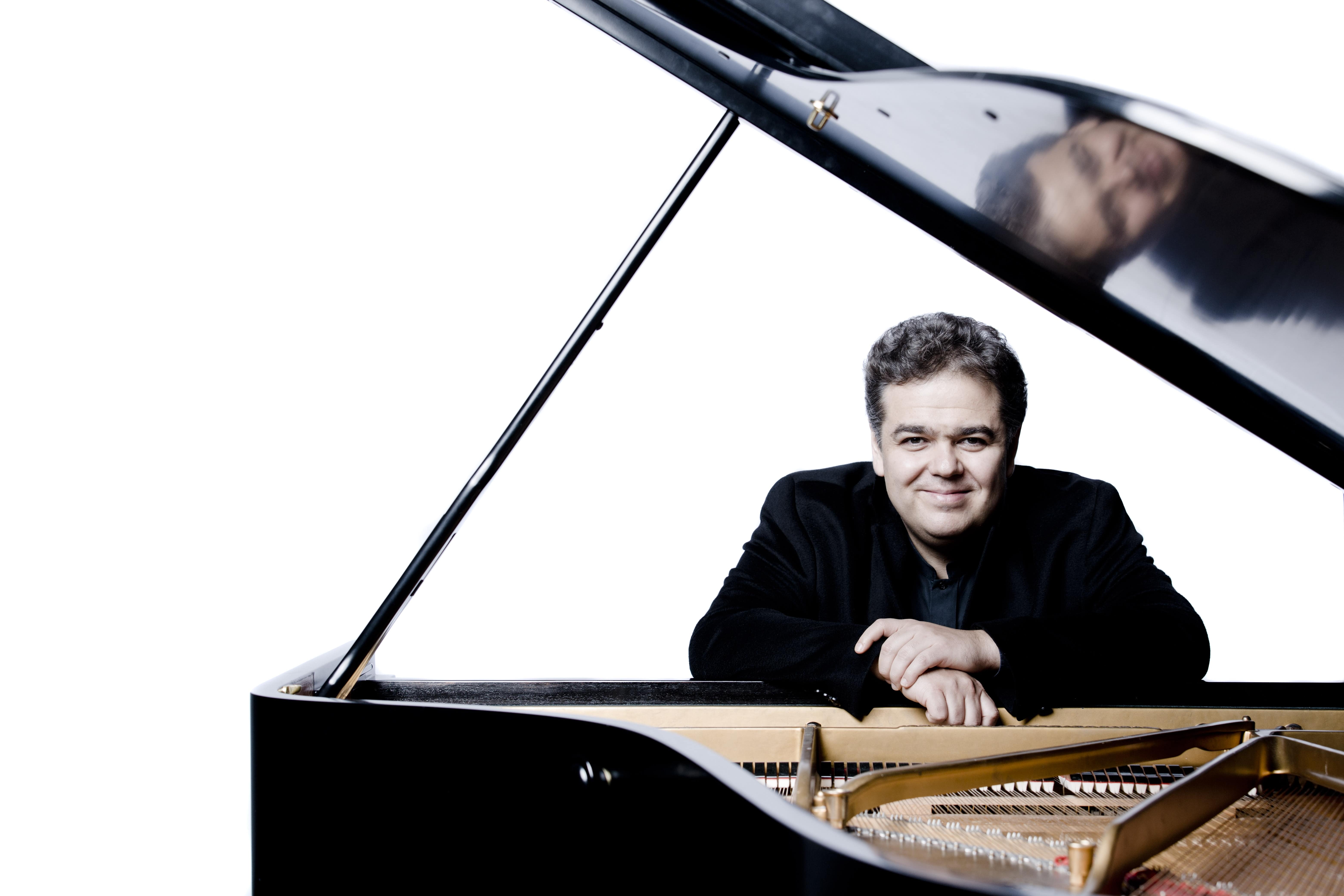
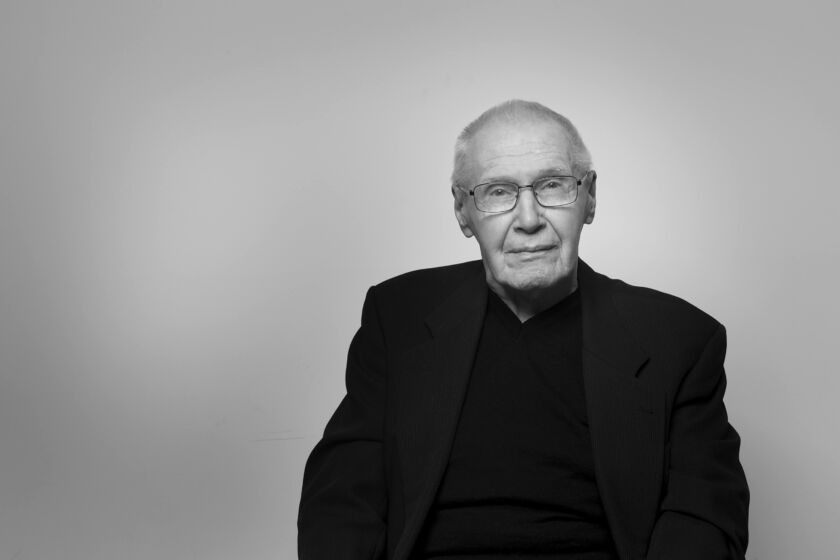
“Stravinsky has become for me just as important as Bartók. But what is strongest for me is Schubert – even his small Ländlers,” said György Kurtág in his last interview before his 100th birthday. The grand old master will presumably be pleased that pianist Pierre-Laurent Aimard will combine his works at the Salzburg Festival with Schubert Ländlers. Aimard will play, alongside a selection from the legendary Kurtág miniatures „Játékok“ (Games), also Schoenberg, Mozart and Webern.
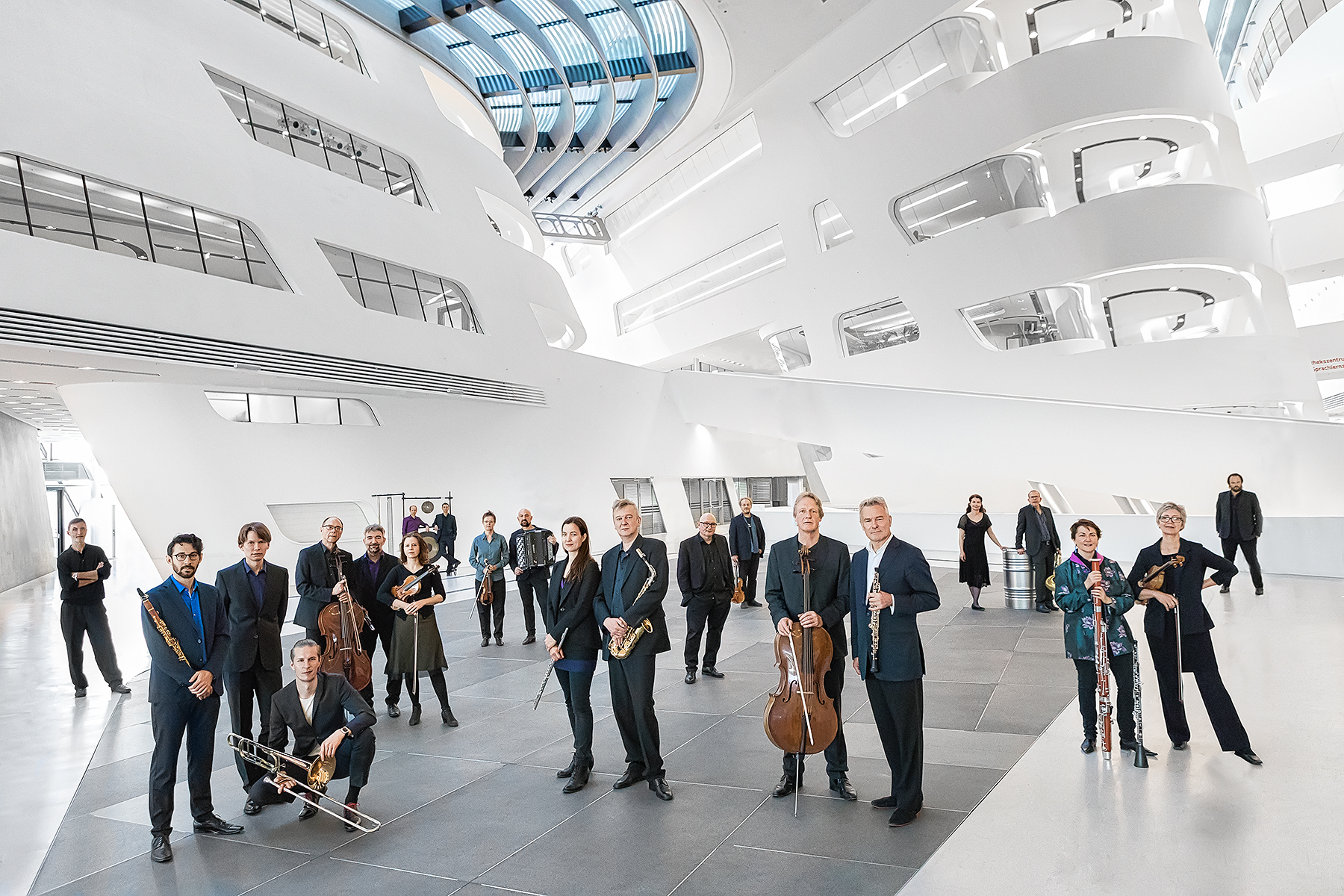
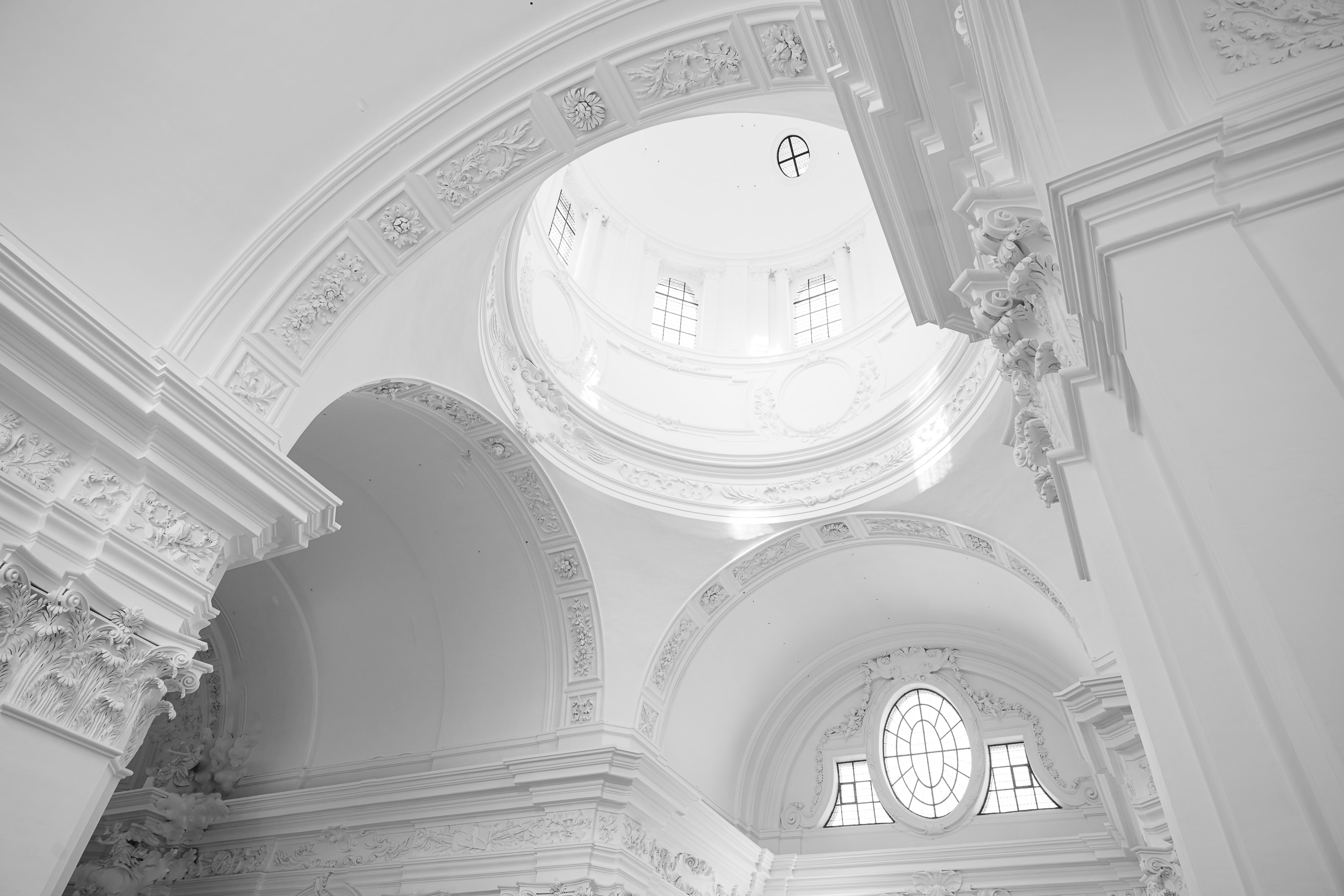
Aimard’s recital on 31 July is one of a total of nine concerts in the programming strand Hommage à György Kurtág, with which the Festival pays tribute to the last surviving member of the great generation of composers including Luigi Nono, Pierre Boulez and György Ligeti. The programmers span the arc across the Hungarian’s entire life’s work, from early orchestral works to late chamber music. Kurtág’s highly compressed music finds in the Kollegienkirche a space in which it can unfold unimpeded – all the more so when an ensemble like the Klangforum Wien is at work. His works will be combined among others with those of two other great figures of the New Music from Hungary: Bartók and Ligeti.
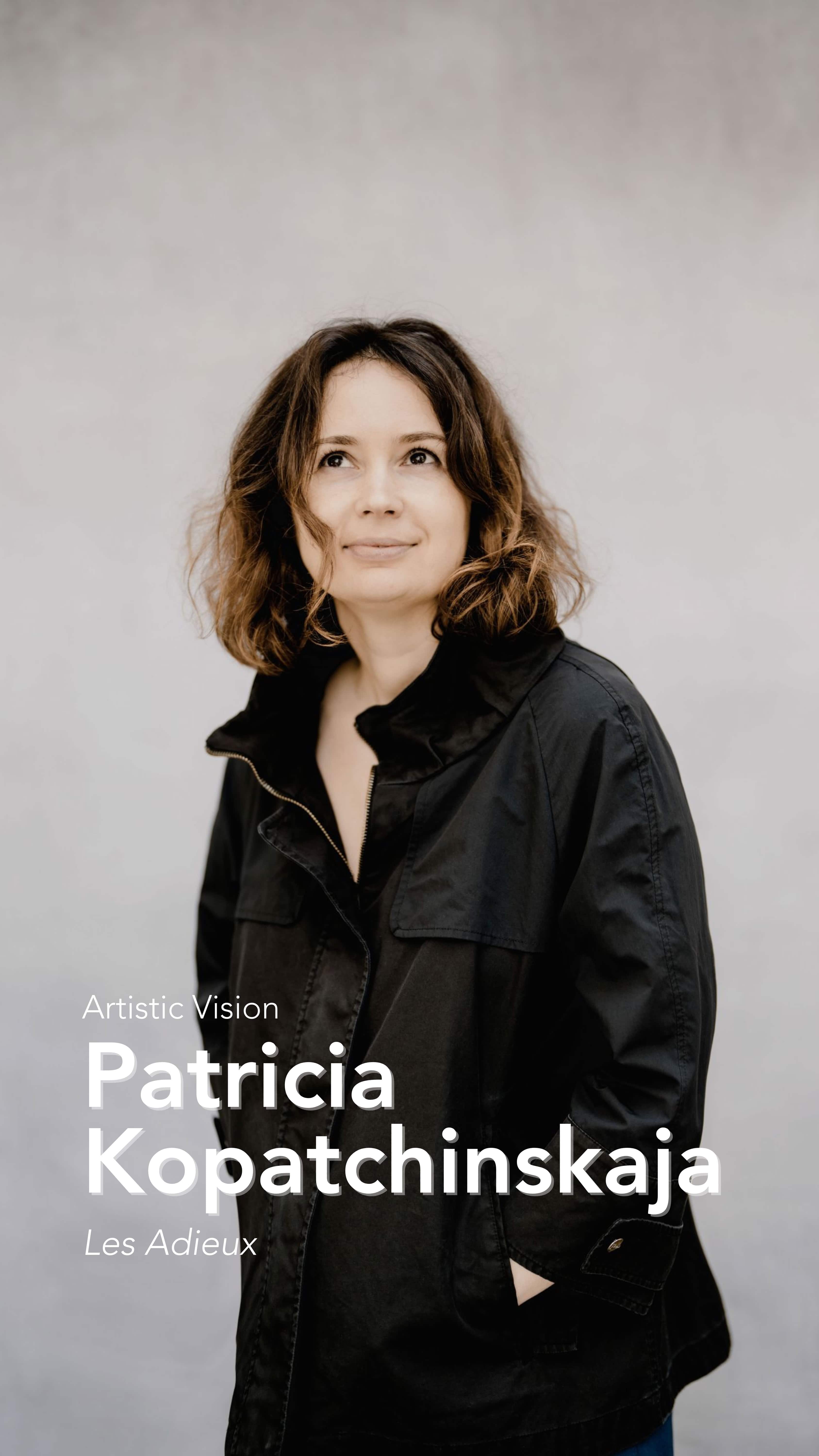
Address as Homage. Apropos Ligeti: Kurtág lives on Ligeti Street in Budapest, which is apt, since he has revered the slightly older friend throughout his life. He met him in 1945 at the entrance examination for the Music Academy in Budapest, to which he had travelled illegally from Transylvania in order to study with Bartók there. He only learned from the black flags at the institute that his role model had just died. There he became friends with Ligeti, in whom he immediately recognised the gifted composer: “When after the audition I saw Ligeti’s compositions, I knew he was not a student but already a finished composer.” On 25 August the two old friends come together musically again in Salzburg, when Patricia Kopatchinskaja & Friends (including Sol Gabetta and Lawrence Power) will combine works by both Hungarian-Jewish-Transylvanian masters with those of Mozart and Bartók.
Depression in Paris. Kurtág found his celebrated musical language at the end of the 1950s, when he was living alone and plagued by depression, studying in Paris with Darius Milhaud and Olivier Messiaen. “Milhaud’s music was too thin for me, but as a person he was incredibly sympathetic. Messiaen’s analyses of Stravinsky, Debussy and Mozart I found wonderful,” recalls Kurtág.
The curious genesis of his style leads deep into the convolutions of the soul between addiction and creativity: “It started with the smoking in Paris. I began laying out forms on the floor with cigarette butts and matchsticks. At some point I could no longer postpone the cleaning, so I drew the forms down. And then I stayed at the drawing … I found in my drawings the forms that I then composed. These were not academic drawings; I held the pen like this (shows his clenched fist) and gave out cramped signals.” “Condensed Atom” is what he calls this extreme compression.
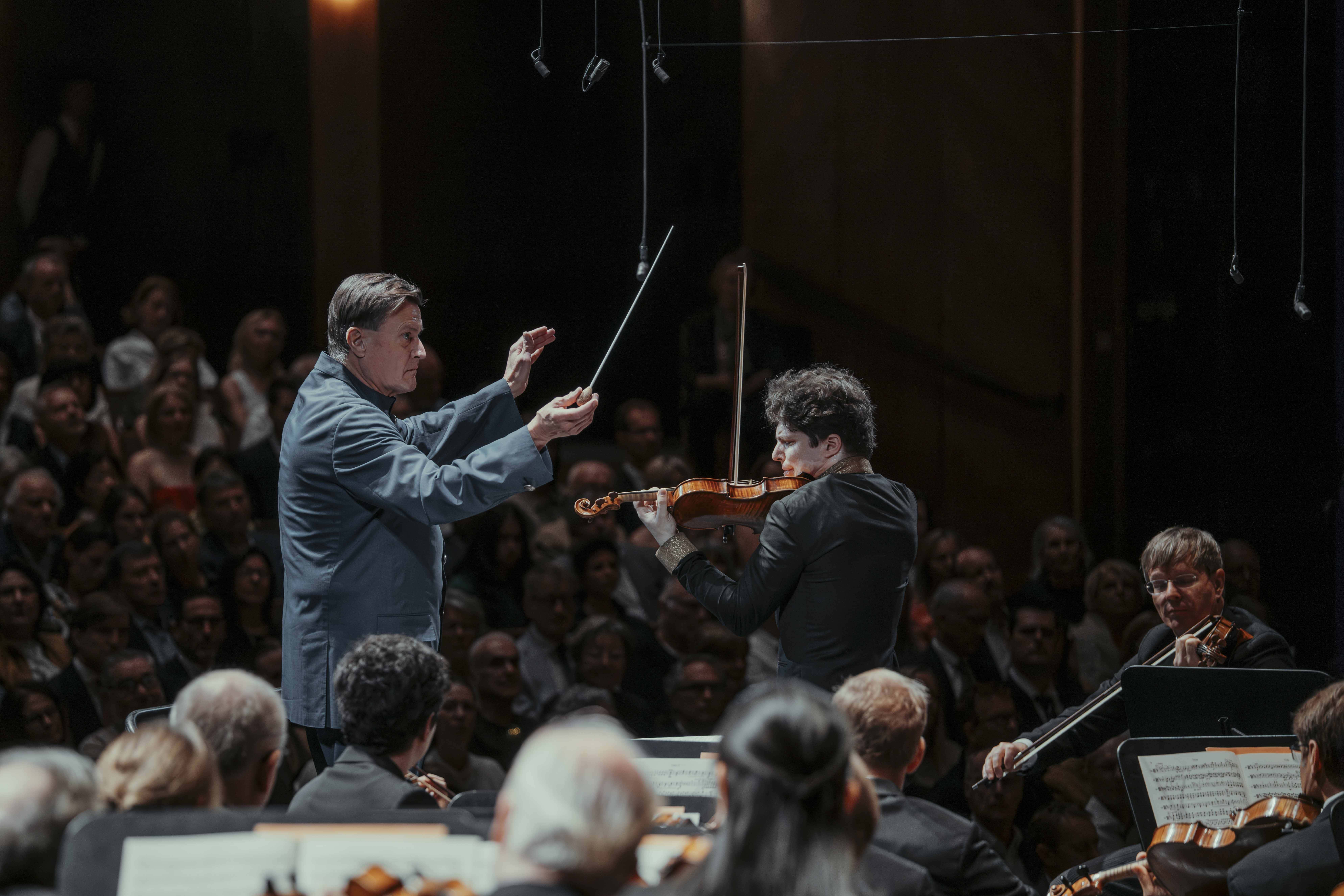
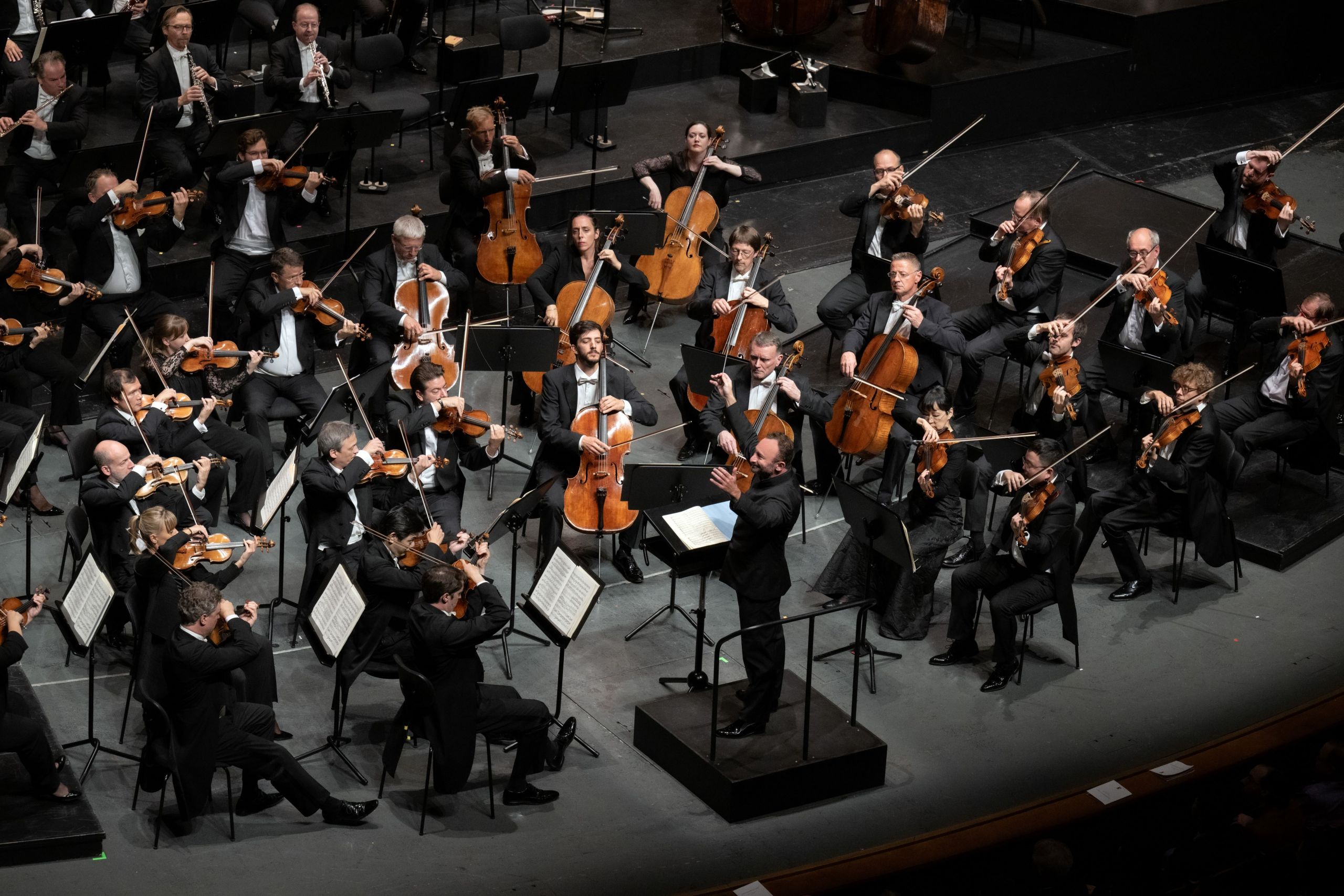
Glimpses of Early Work. And since it is Salzburg, the Kurtág atoms will be condensed by superstars such as Teodor Currentzis and Iván Fischer. The latter opens the Kurtág focus on 8 August with Kurtág’s early work: in “Movement for Viola and Orchestra” one will hear the young Kurtág, who is distinctly more reminiscent of Bartók than the minimalist Kurtág the world knows. Fischer also combines Kurtág with his current favourite Schubert in the form of his “Unfinished Symphony”.
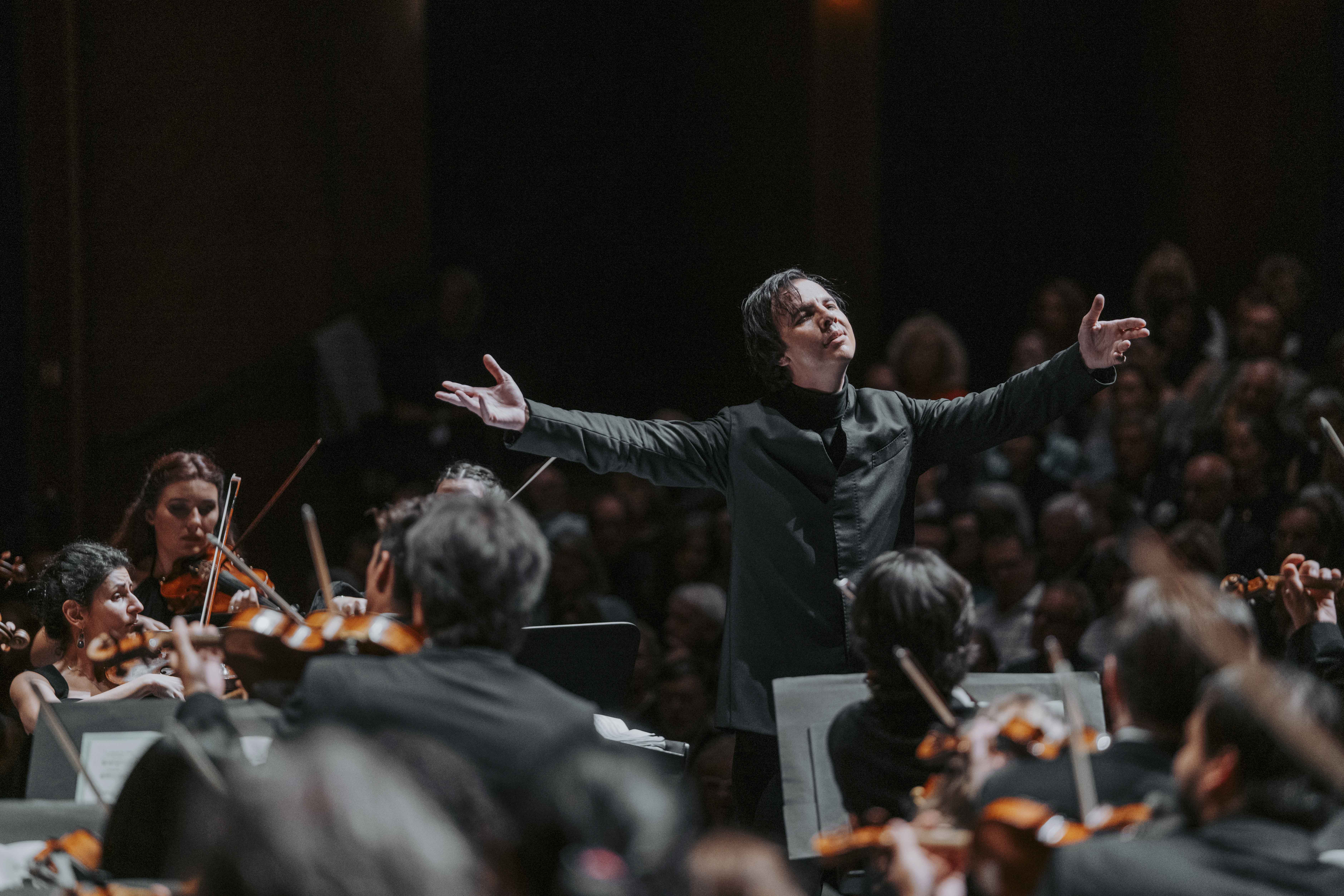
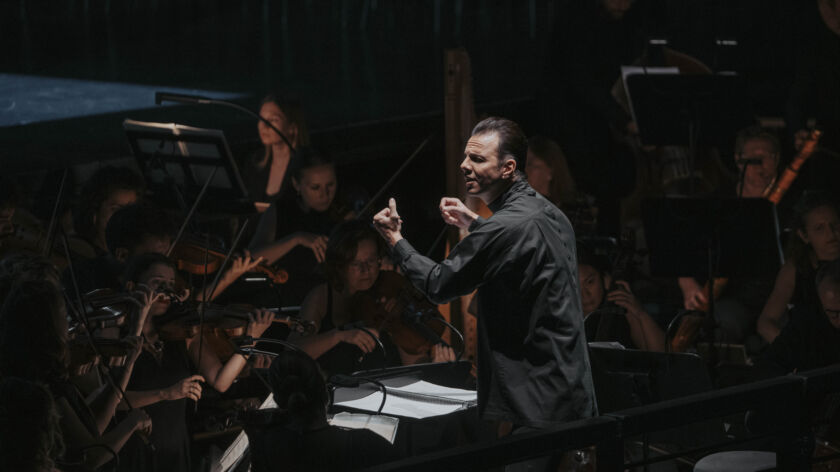
Currentzis will contribute with his Utopia Orchestra and his choir on 17/18 July “Songs of Melancholy and Mourning for mixed choir and instruments” op. 18 and on 19 August “Gravestone for Stephan for guitar and groups of instruments” op. 15c. Both works are united by their character as musical “gravestones”, capturing grief not in grand gestures but in radical reduction and concentration. While in “Grabstein für Stephan” the solo guitar acts as a solitary, fragile centre amid spatially distributed instrumental groups, the songs probe the limits of the human voice in the face of despair. Combined with the intensity that Currentzis usually demands from his ensembles, these shattering works should make for two extraordinary concerts.