Hommage à György Kurtág
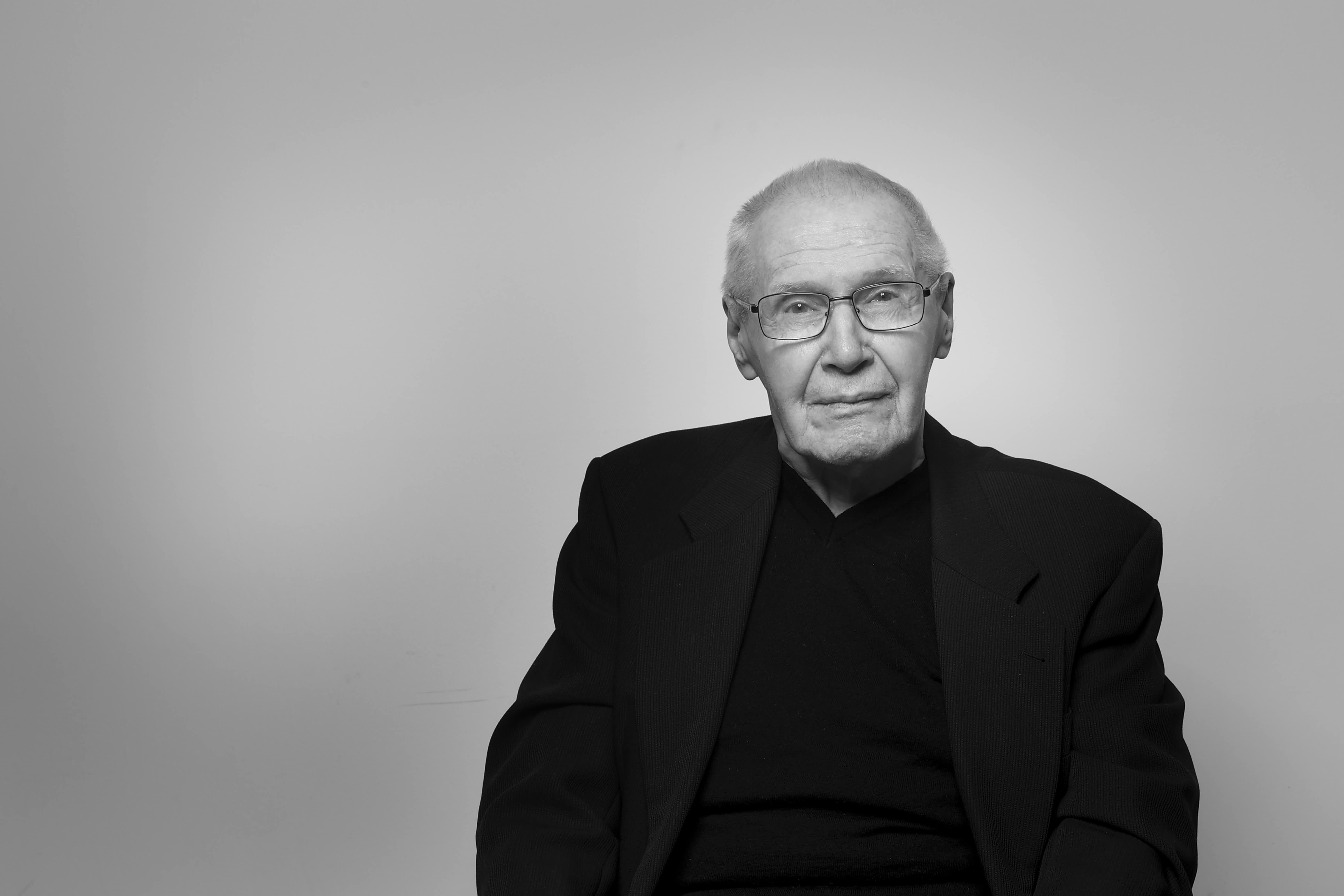
On 19 February 2026, he celebrated his 100th birthday. In the summer, the Salzburg Festival dedicates a concert series to György Kurtág, the “centennial composer”, encompassing the breadth of his oeuvre in a nutshell: an ongoing dialogue with the history of European compositional tradition.
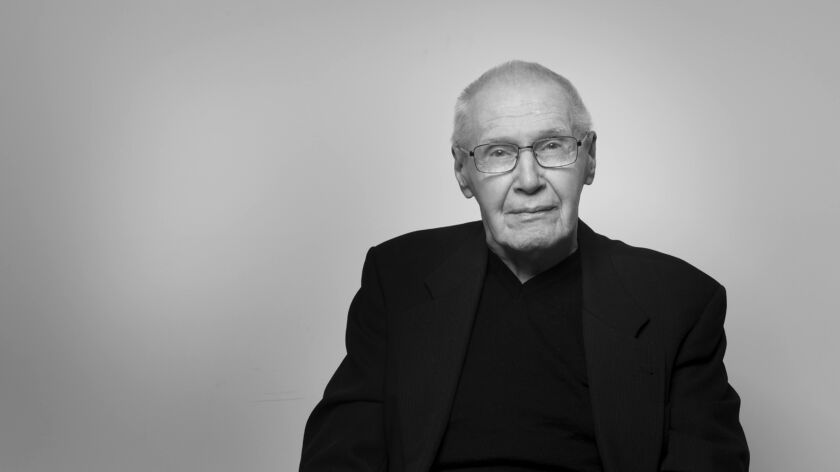
Originality and the acquired – where does one begin and the other end? The entire output of György Kurtág (b. 1926) resembles a large-scale study on the nature of musical creativity, often in granular detail, yet comprehensive. Kurtág’s work resembles an extensive collection of individual fragments: their contexts and meaning are revealed within and between these fragments. While his profoundly individual tone unfolds throughout, at the same time an almost encyclopaedic web of insinuations, quotations and allusions runs through his work. The result is a layering and permeation of multiple references, both to music history and the composer’s individual biographical constellations.
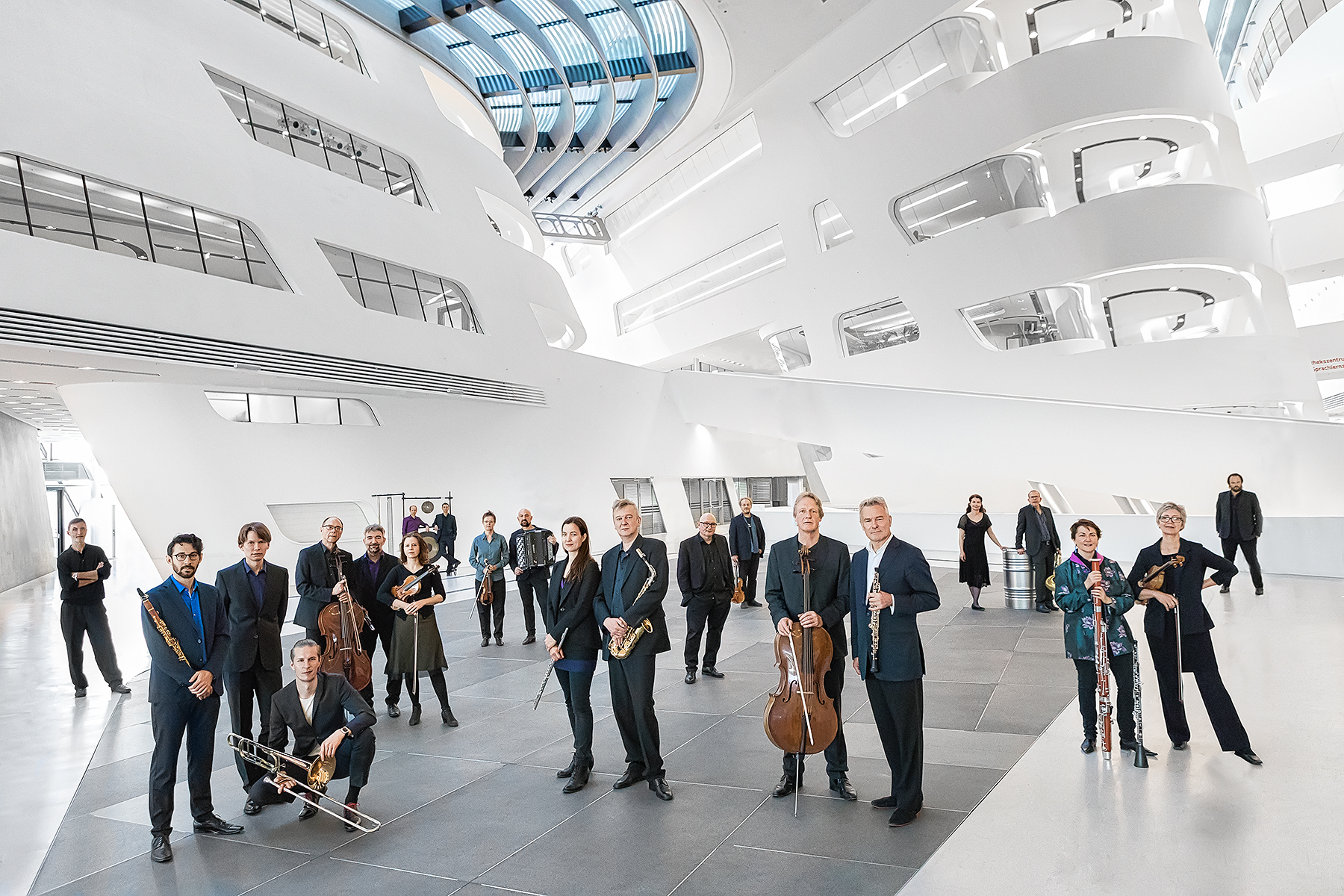
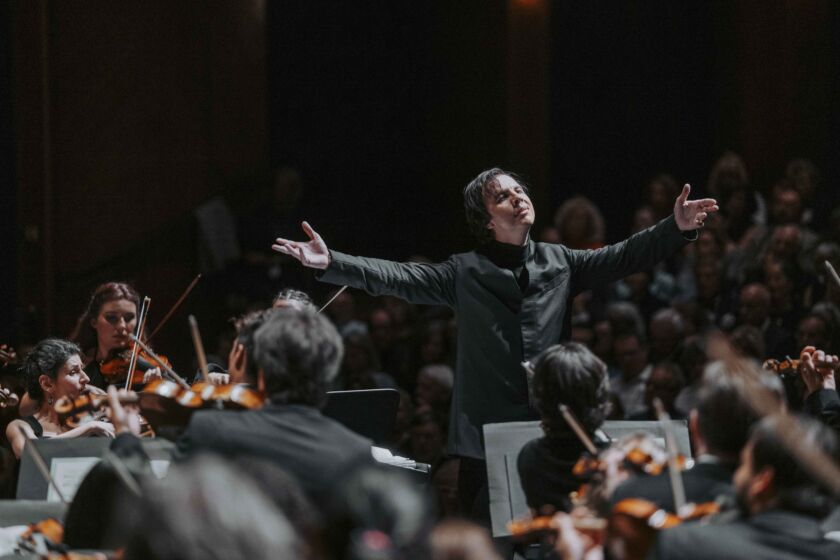
On the one hand, Kurtág’s compositional work maintains an ongoing dialogue with almost the entire European tradition, ranging far into modernism. On the other hand, there are several personal confessions in the form of dedicated or commemorative works for friends and companions. Two concerts of this year’s Kurtág series, “Omaggio” with Klangforum Vienna under Matthias Pintscher’s baton (1 Aug.) and the orchestral concert by Utopia under Teodor Currentzis’ baton (19 Aug.), feature what is arguably the most well-known dedicated piece, Grabstein für Stephan for guitar and groups of instruments Op. 15c – a fragile sonic constellation unfolding between the emphatically sparse solo instrument and the ensemble’s collective. This piece commemorates the singer Stephan Stein, husband of the psychologist Marianne Stein, who hosted an artistic salon in Paris and encouraged and supported Kurtág in many ways. Perhaps it was she who gave him the idea of composing musical aphorisms – an approach that led him out of a severe creative crisis during the 1950s, adopting that flexibility with regard to form that shaped many of his compositions in different ways.
The deep wounds of the 20th century, existential insecurity, an ever-threatened sense of identity, the struggle for one’s own, individual manner of expression these all left traces in Kurtág’s oeuvre, in an intense and highly noticeable manner. The experience of crises, doubt and insecurities combines with a robust will to achieve artistic expression, as well as occasionally surreal or sarcastic sketches. Botschaften des verstorbenen Fräuleins R. V. Trussowa for soprano and chamber ensemble Op. 17, based on texts by Rimma Dalos, demonstrate this in 21 very different pieces in a satirical tone.
Hommage à Jacob Obrecht for string quartet points far into the past, to a Franco-Flemish master of vocal polyphony in the late 15th century. The cycle Zeichen, Spiele und Botschaften for string trio contains a “Hommage à J. S. B.”, among other pieces: to Kurtág, Johann Sebastian Bach was one of the central references throughout his life, to whom he also dedicated a series of transcriptions. During the Festival summer, another work performed is What Is the Word for alto voice (recitation), vocal ensemble and groups of instruments Op. 30b. Here, as in other contexts, Kurtág explored the work of Samuel Beckett, his kindred spirit at the boundaries of silence and meaninglessness, the prophet of continuous failure.
Kurtág’s music often also touches the boundaries of descending silence – and yet, or perhaps because of this, it exudes infinite diversity and strength, vitality and sonic sensuality. Originality and the acquired – where does one begin and the other end?
Daniel Ender
First published in the Festival insert of Salzburger Nachrichten