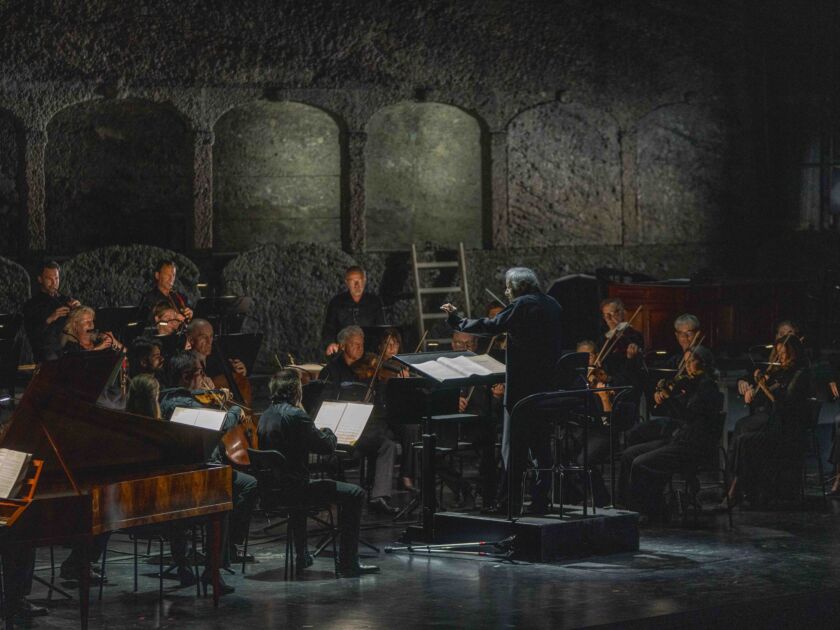
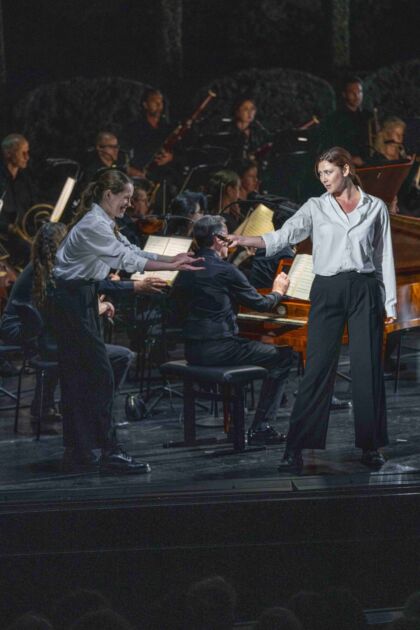
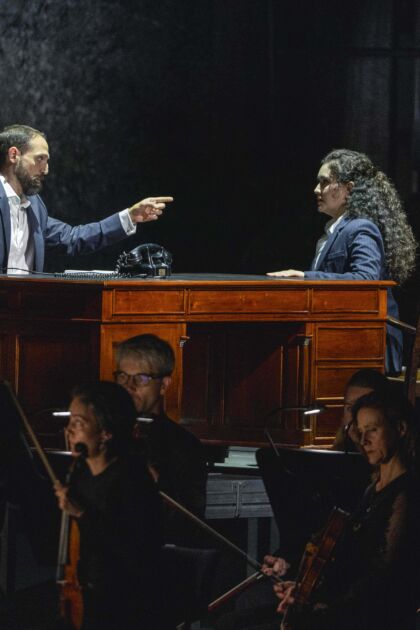
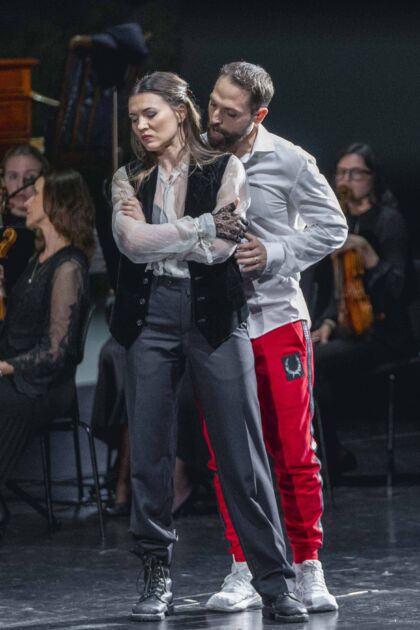
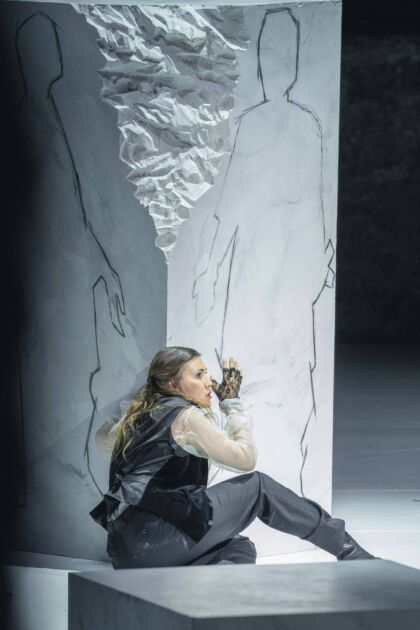
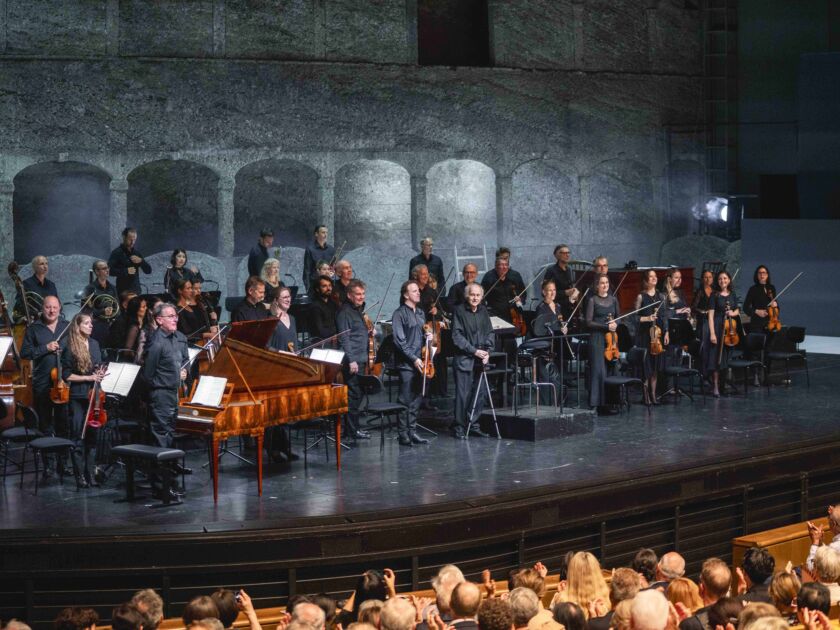
It was with his Mitridate in 1770 that the 14-year-old Mozart enjoyed his first operatic success before the Italian public. In March the following year, the Teatro Regio Ducale in Milan accordingly decided to commission another work from him, this time to open the 1772/73 carnival season: Lucio Silla. It was also intended to continue Mozart’s operatic success by linking up with the topic of Mitridate – after all, it had been the Roman general Lucius Cornelius Sulla (138–78 bc) who had kept Mithridates VI and his armies at bay. But the historical figure of Sulla (also known as ‘Silla’) is primarily remembered as a cruel dictator who publicly ostracized his opponents and caused their ruin. And it’s as a brutal tyrant that he is also initially portrayed in Mozart. The senator Cecilio has been ostracized but returns secretly to Rome. He wants to put an end to Silla’s rule and to free his fiancée Giunia, with whom the dictator has meanwhile fallen in love. The patrician Lucio Cinna aims to help Cecilio in his endeavours. One of his tribunes advises Silla to marry Giunia against her will, while Silla’s own sister Celia, who is secretly in love with Cinna, urges him to be lenient. Cecilio and Cinna’s attempts to assassinate Silla fail. And Giunia is not prepared to marry Silla, even if it will save Cecilio’s life. To the astonishment of all, Silla ultimately forgives his enemies and unites both pairs of lovers.
Giovanni de Gamerra was a newcomer to the field of libretto writing. He nevertheless occasionally went beyond the common-or-garden formulae of opera seria by creating more complex, larger-scale scenes. De Gamerra’s predilection for gloomy dungeon and cemetery scenes also gave Mozart an opportunity to experiment with new expressive possibilities. In Giunia’s virtuoso arias in particular, Mozart revealed an astonishing flair for crafting the psychology of a role through music. Lucio Silla was an impressive success, enjoying 26 performances, but was nevertheless destined to be Mozart’s last opera for Italy.
David Treffinger
Translation: Chris Walton