“Revolutionary!“ Saint François d’Assise
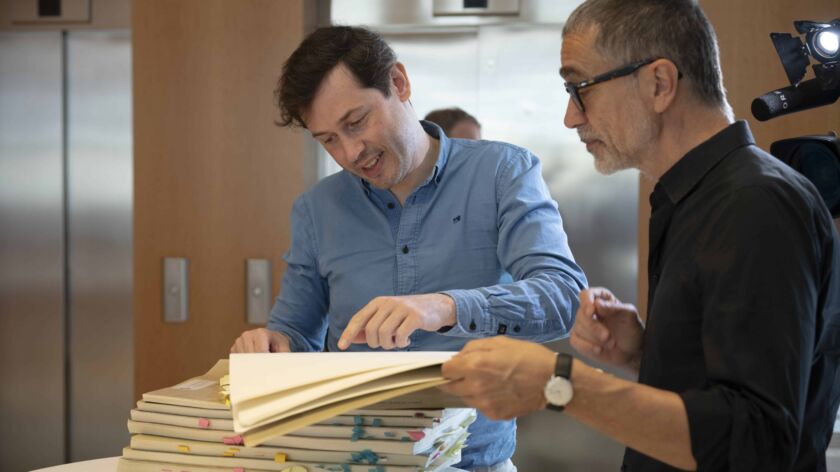
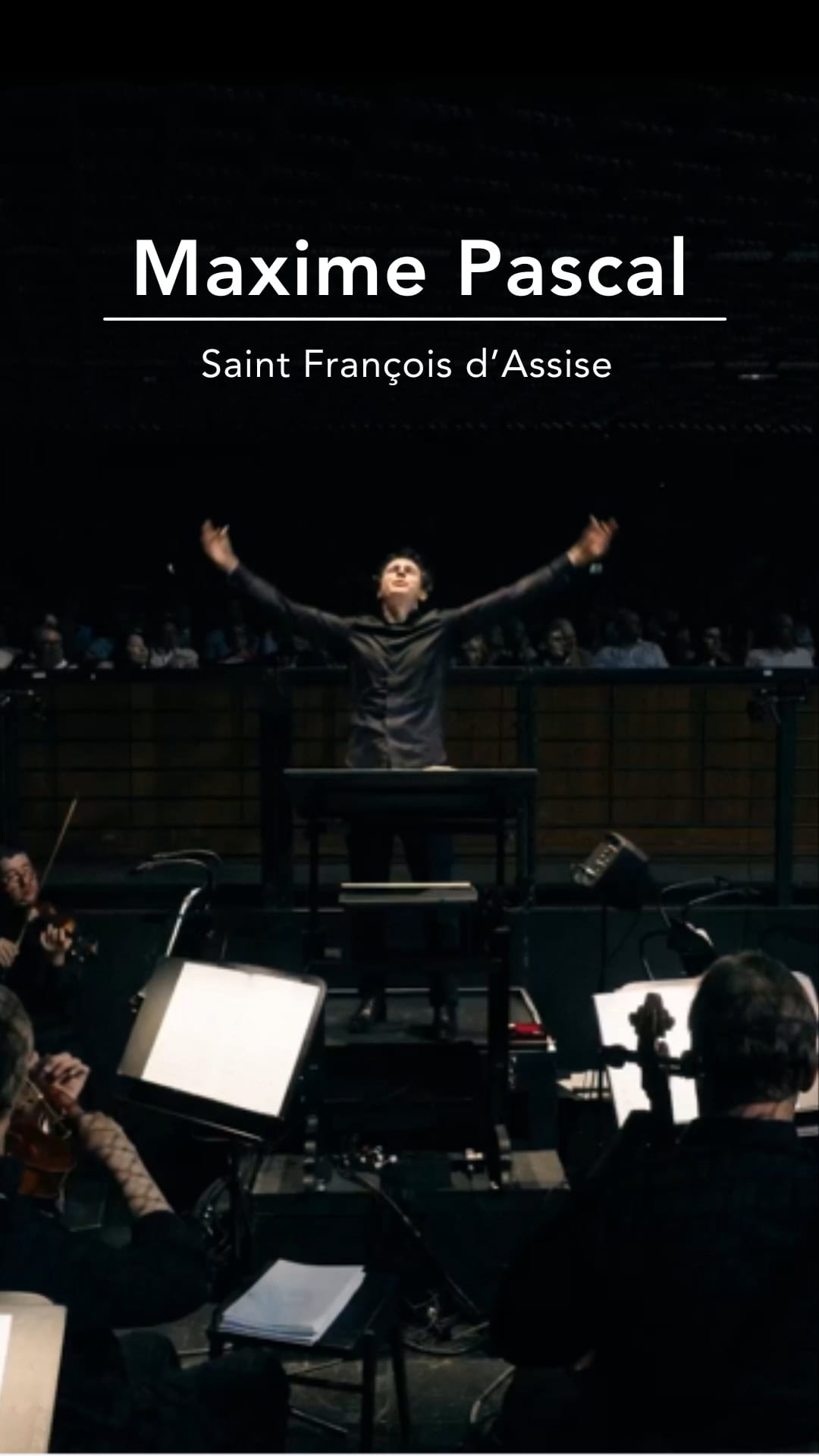
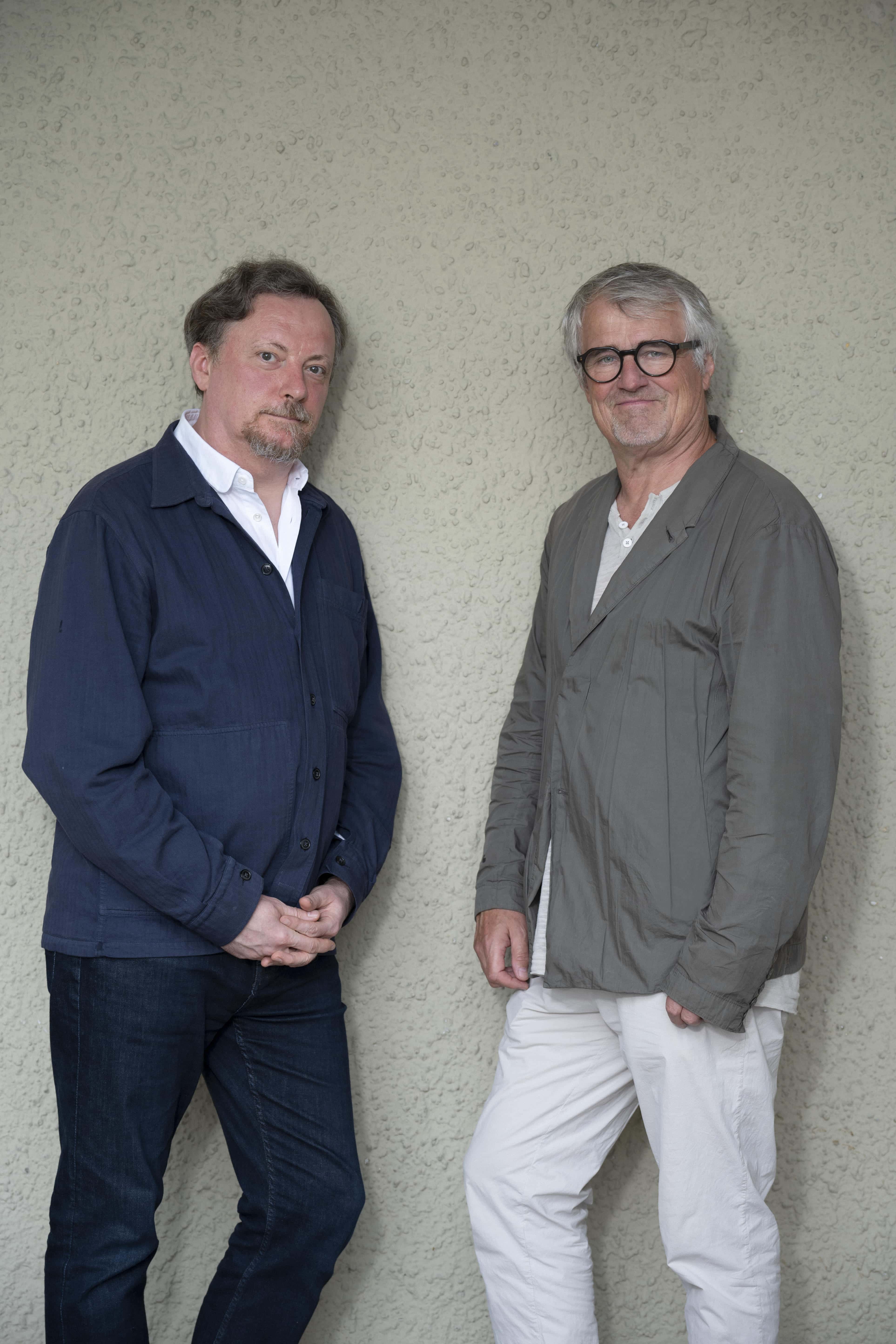
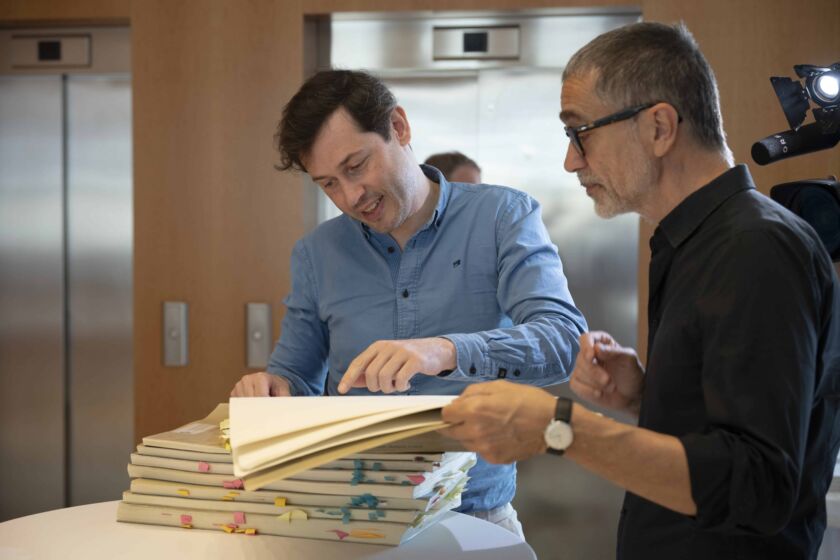
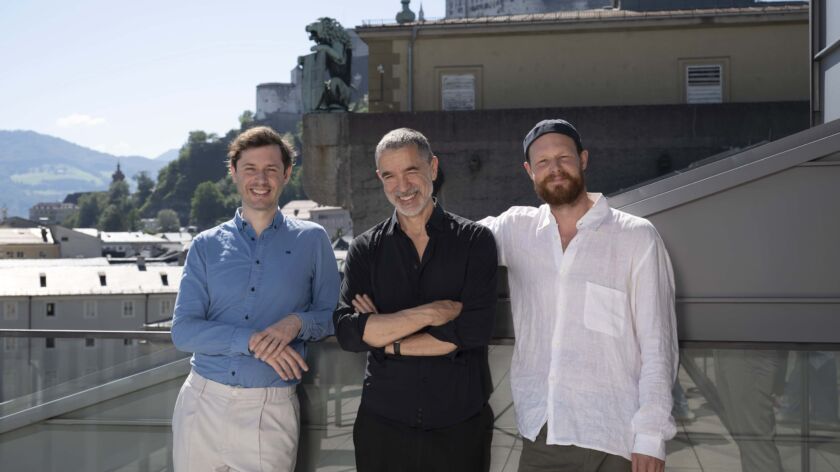
“It’s an adventure,” says director Romeo Castellucci about the genesis of the new production of Saint François d’Assise. “I am very happy to share this adventure.” By his side, artistically and on the podium at the press conversation, are Maxime Pascal, conducting his third opera production at the Salzburg Festival, and Philippe Sly, who sings the role of Saint Francis for the first time.
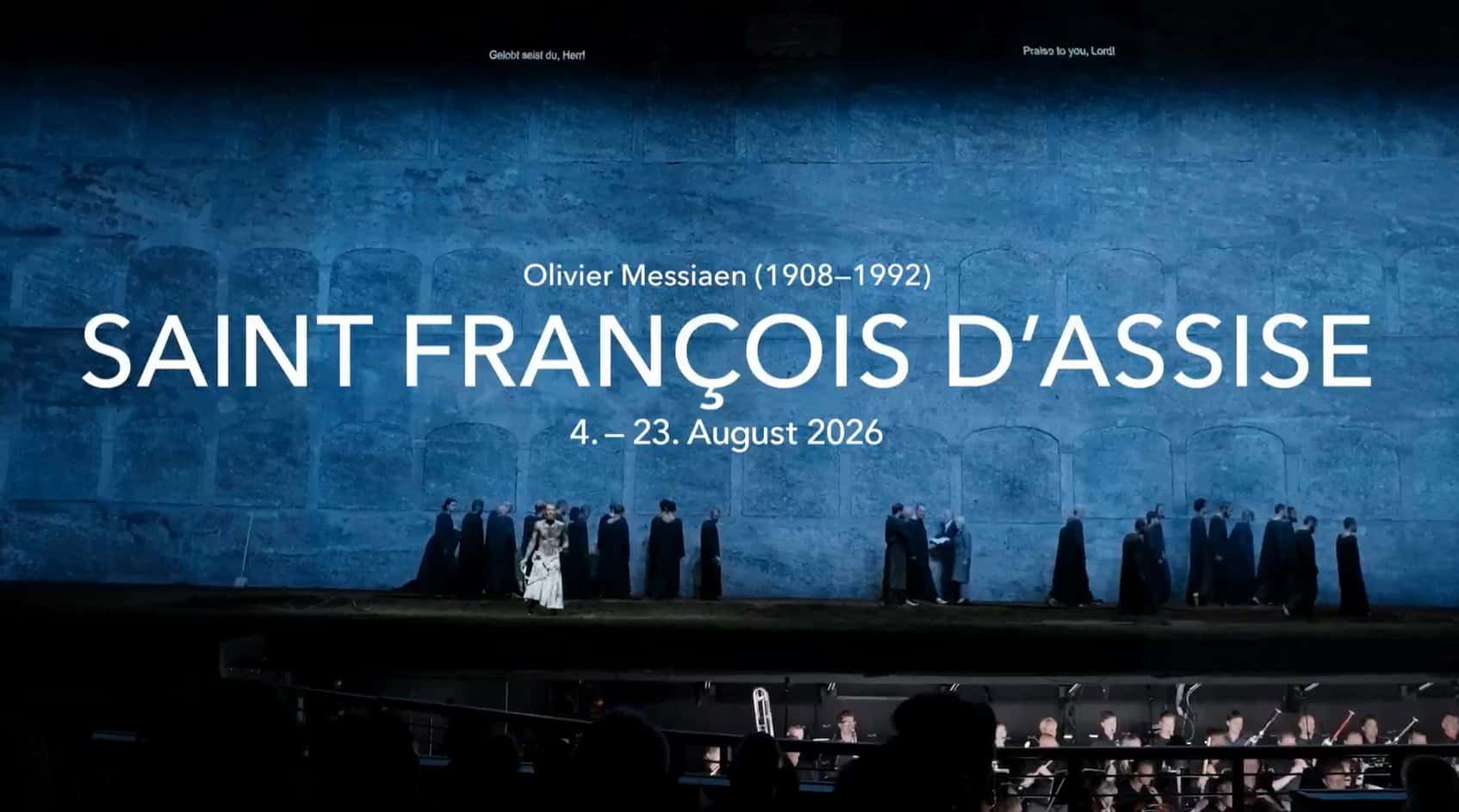
The first and only opera by Olivier Messiaen is considered his opus magnum, reflecting his lifelong examination of human faith, the figure of Francis of Assisi and birdsong. For ten years, he worked on the composition, which he thought would be his last, and which ultimately ran to 2,500 pages of score, as Maxime Pascal recounts. “It’s obvious that he was trying to leave us a legacy here.” In 1983, the opera was first performed in Paris. In the year of the composer’s death, 1992, Saint François d‘Assise was first performed in Salzburg, then under the baton of Esa-Pekka Salonen and directed by Peter Sellars. The new Salzburg production premieres on 4 August 2026, taking place during the 800-year anniversary of Francis of Assisi’s death.
“I would like to thank Karin Bergmann for the warm welcome she has given us, and that she has taken over the Festival’s leadership,” says Romeo Castellucci, who also emphasizes that “we are here because of Markus Hinterhäuser. It is thanks to his imagination and his artistic vision. He was and is a wonderful companion, and I say that as a human being and as an artist. We shared practically all our thoughts. The production may be slightly orphaned because he is no longer here.” Maxime Pascal adds his thanks to Markus Hinterhäuser for inviting him to conduct his third opera in Salzburg.
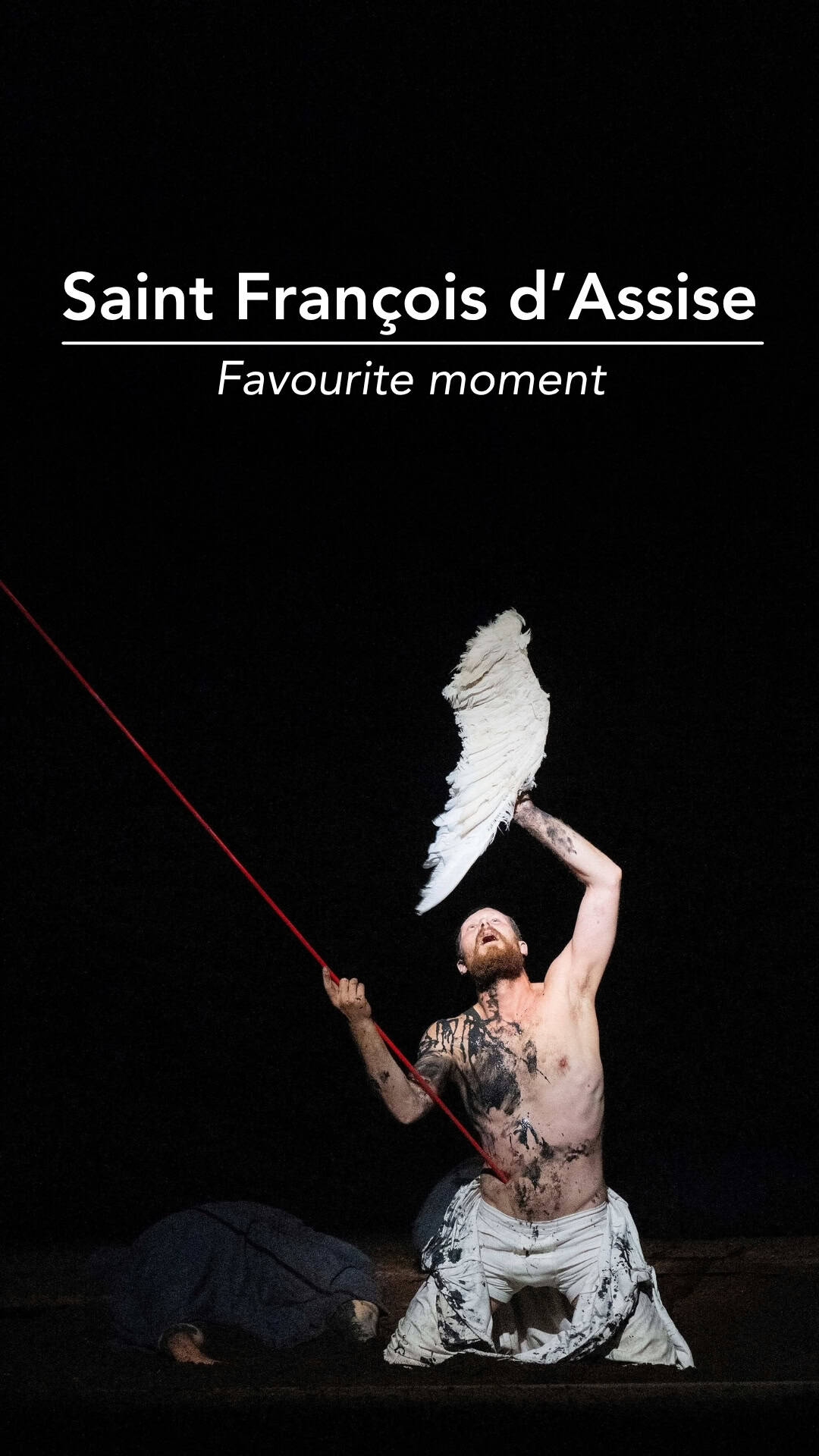
“A revolutionary idea“ In his staging, Castellucci focuses mainly on Francis as a person: “He wanted to live the gospel and follow Jesus’ example,” and he did so, for example, by touching lepers – a “revolutionary” gesture, according to Castellucci, “breaking the social norms of the time – anarchy, if you will”. This key scene reflects his conviction: “The body is not only something beautiful, it is also very fragile. To this day, the Franciscans call themselves frati minori, or ‘friars minor’ [‘lesser brothers’],” Romeo Castellucci summarizes.
Francis of Assisi, the founder of this order, is also the patron saint of flora and fauna. Messiaen is known for the ornithological knowledge he wove into his compositions. In his opera Saint François d’Assise, several aspects characteristic of his overall oeuvre converge: human faith, ornithology, and the meaning of sonic colours. Messiaen’s work is “a musical expression of colourfulness,” conductor Maxime Pascal explains, describing how Messiaen translated all these aspects into this work for an extraordinarily large orchestra with a huge percussion section. One special feature of the production is the positioning of the instruments at the Felsenreitschule, surrounding the audience from the right and left side as well as from the lighting rig. All three stations feature an Ondes Martenot each – an electronic keyboard instrument played with a ring that was “used almost exclusively by Messiaen”, as Pascal explains. Invisible to the audience, a very large chorus will sing the words of Christ, since
Messiaen did not want to depict God or Christ visually. In its duration of more than four hours, the opera is “an expression of depth and richness”, says Pascal, a third of which is devoted to birdsong.
On stage, the bass-baritone Philippe Sly, a graduate of Salzburg’s 2012 Young Singers Project, will embody Francis, who was sainted posthumously. “I worked for a very long time on this piece, preparing for a very long time and beginning very early on.” Learning this “enormous role“ requires daily effort, he says, yet despite all its challenges, the work “is actually written in a very gentle, soft, almost ergonomic way for the human voice”, almost “nestling into the melody of the spoken word”. Sly feels very strongly “that Messiaen loved the human voice. This role is a joy to sing.” He underlines that it’s important during the rehearsals “to keep questioning the staging of this opera. It is not a passive, but an active process throughout. And I think the entire team is taking this responsibility very seriously.” The conductor Maxime Pascal emphasizes: “Medieval choral chant is one of the main sources of inspiration for Messiaen’s vocalism, and thus for his manner of voice leading. Vocal passages with orchestral accompaniment alternate with monodies.“ Messiaen “developed this Gregorian chant further, into something gigantic, even cosmic”. Before arriving in Salzburg, Maxime Pascal spent ten days in Vienna, working with the Vienna Philharmonic “on every aspect of the piece in great detail”.
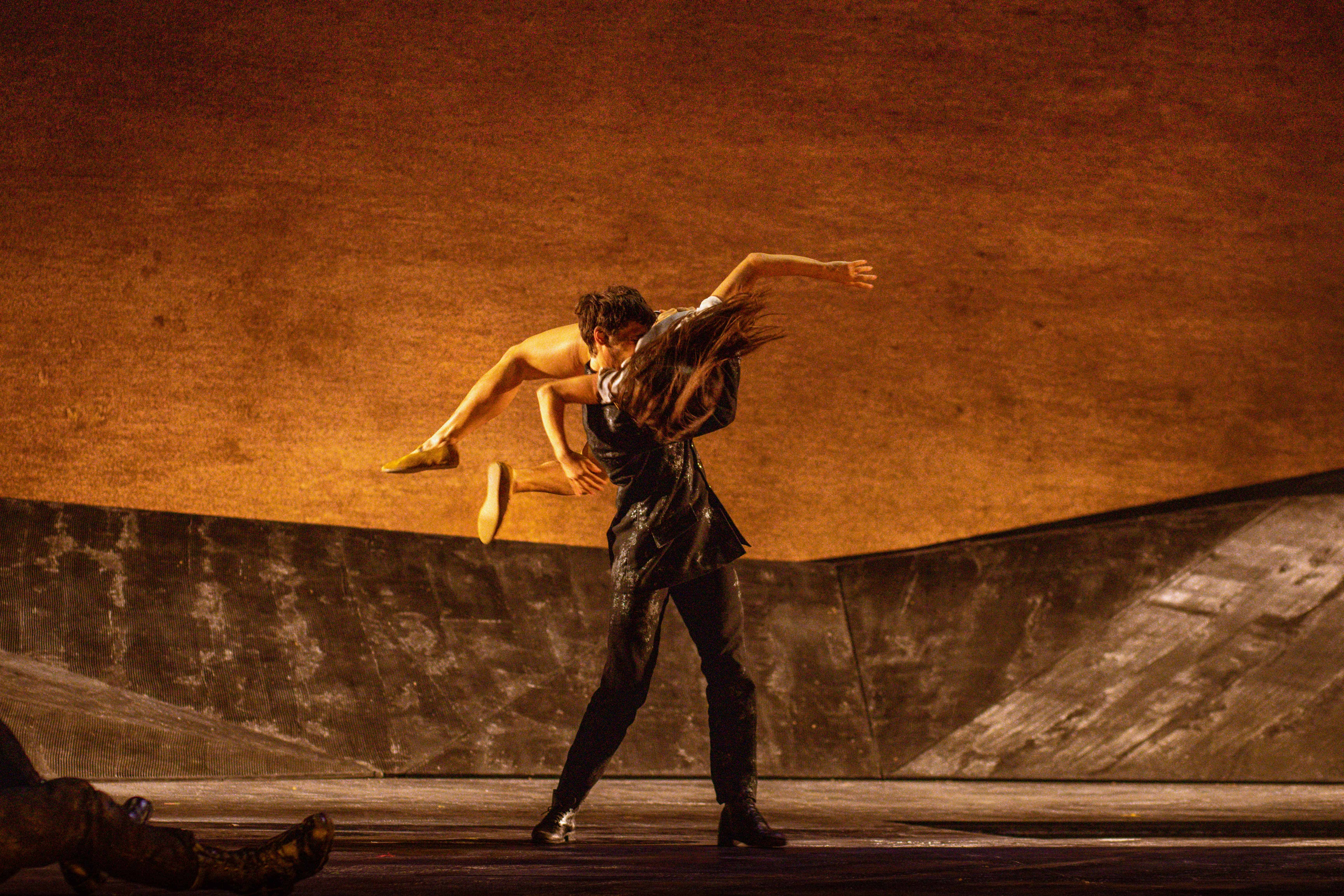
“The Felsenreitschule is a space I love,” says Romeo Castellucci, who directed Salome at the same space in 2018. “It’s not a conventional theatre. Furthermore, the rockface of the backdrop is reminiscent of the mountain La Verna, where Francis received the stigmata, the wounds of Christ.”