Ouverture spirituelle · Miserere
It all begins with a breath from the woman’s mouth. Woodwinds and strings transform it into one note which then divides. A tender, fearful beckoning and calling ensues between her (“Lei”) and him (“Lui”), set within entrancingly beautiful, mysterious sounds. They fade away – and soon, as if from nowhere, the solo of a harpsichord arises as if from a dream: that’s how Pascal Dusapin begins his opera Passion. “I write music because otherwise I would forget it,” says Pascal Dusapin, with a certain wink – while clothing what humanity cannot forget, because it is surrounded by painful mysteries, into contemporary sounds. These are sounds, however, that remember the entirety of music history: not in a naïve or nostalgic way, but from a reverent distance, and with creative self-confidence.
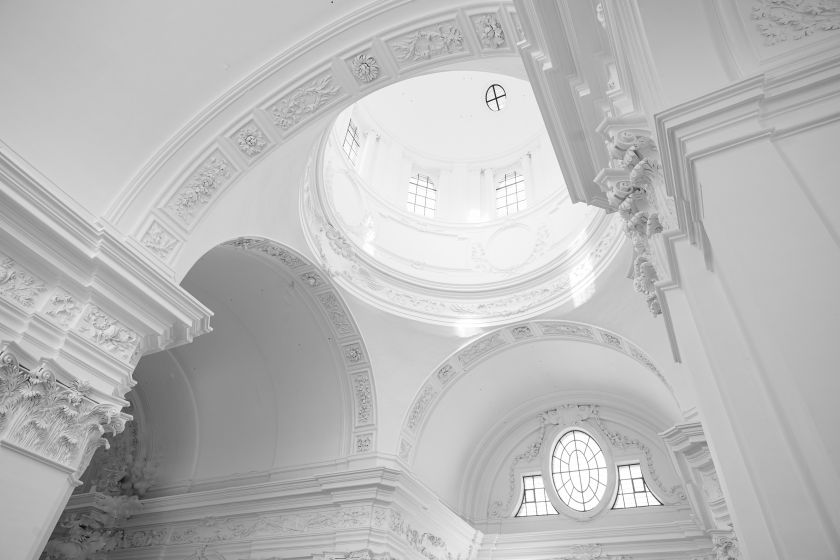
Quite a few Festival visitors will remember the French composer born in Nancy in 1955 from the “Time with Dusapin” series of the summer of 2019: even then, his works enchanted listeners with a highly sensitive, atmospheric balance between formal rigidity and rich imagination. Passion is an archetypal story of love and suffering that premiered in 2008, a reinterpretation of the myth of Orpheus and Eurydice. In the summer of 2026, the piece inspired by Claudio Monteverdi will be heard in concert at the Kollegienkirche: with Sarah Aristidou and Georg Nigl, the Schola Heidelberg and Ensemble Modern under the baton of Franck Ollu (23 July).
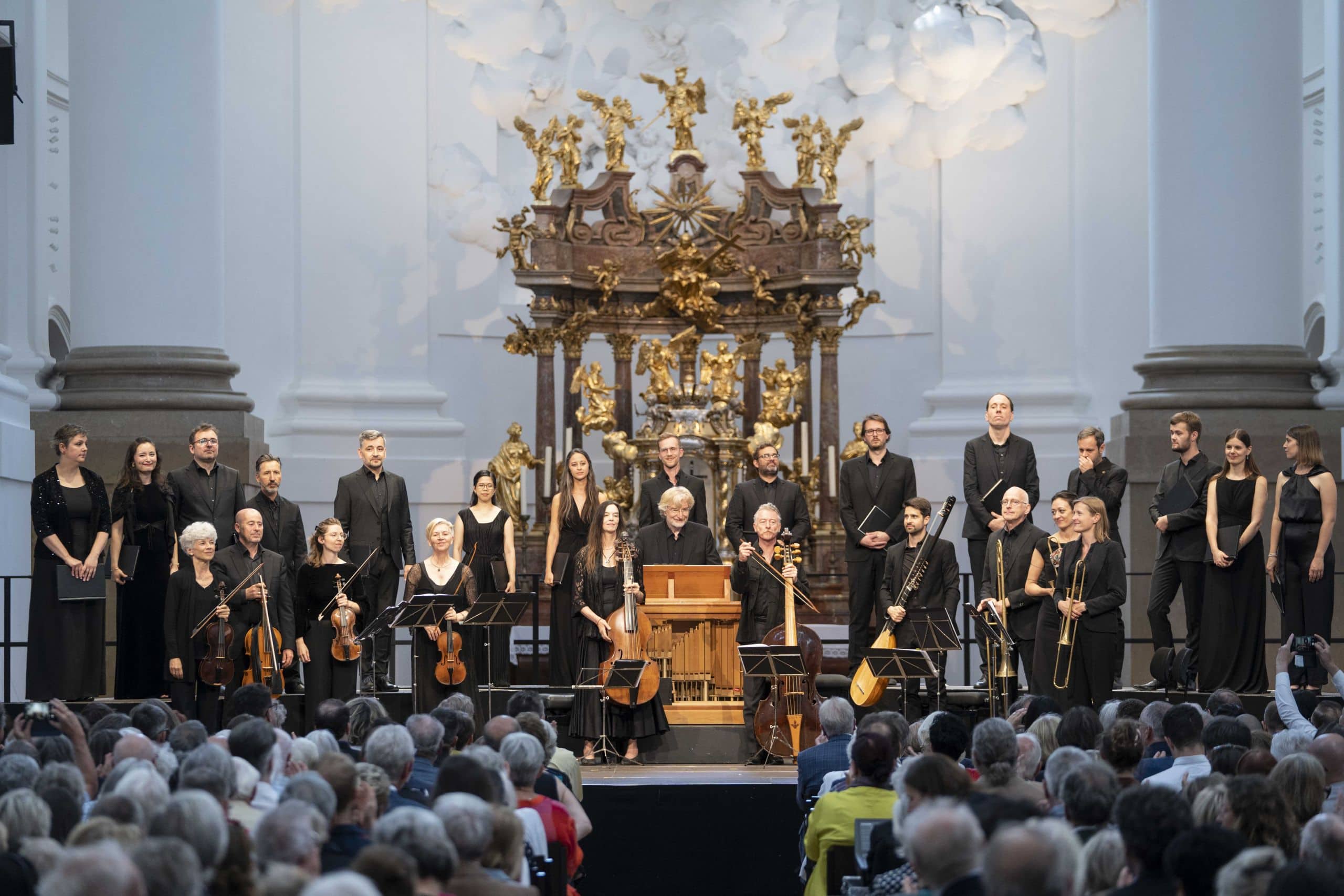
Dusapin’s Passion is one of the many highlights expected of an Ouverture spirituelle dedicated to the theme “Miserere”. In the familiar manner, the series juxtaposes epochs and styles as well as outstanding performers – including Jordi Savall, most recently awarded the Ernst von Siemens Music Prize for his lifetime achievement, Teodor Currentzis and Utopia, Lionel Meunier with Vox Luminis and Cantando Admont under the baton of Cordula Bürgi.
“Miserere”, the plea for divine mercy intoned by the glorious yet sinful King David, opens the 51st Psalm – this fundamental request for forgiveness of our sins is inscribed in Catholic liturgy: in the liturgy of the Hours, the mass for the dead and especially intensely at the end of the Tenebrae, the services for Maundy Thursday, Good Friday and Holy Saturday. Also present in the Gloria and Agnus Dei of the Latin ordinary mass as a cry for mercy, as heard for example in Bach’s Mass in B minor, it is a prayer for relief sent up to haven in the darkest hours – darkness both literally and figuratively.
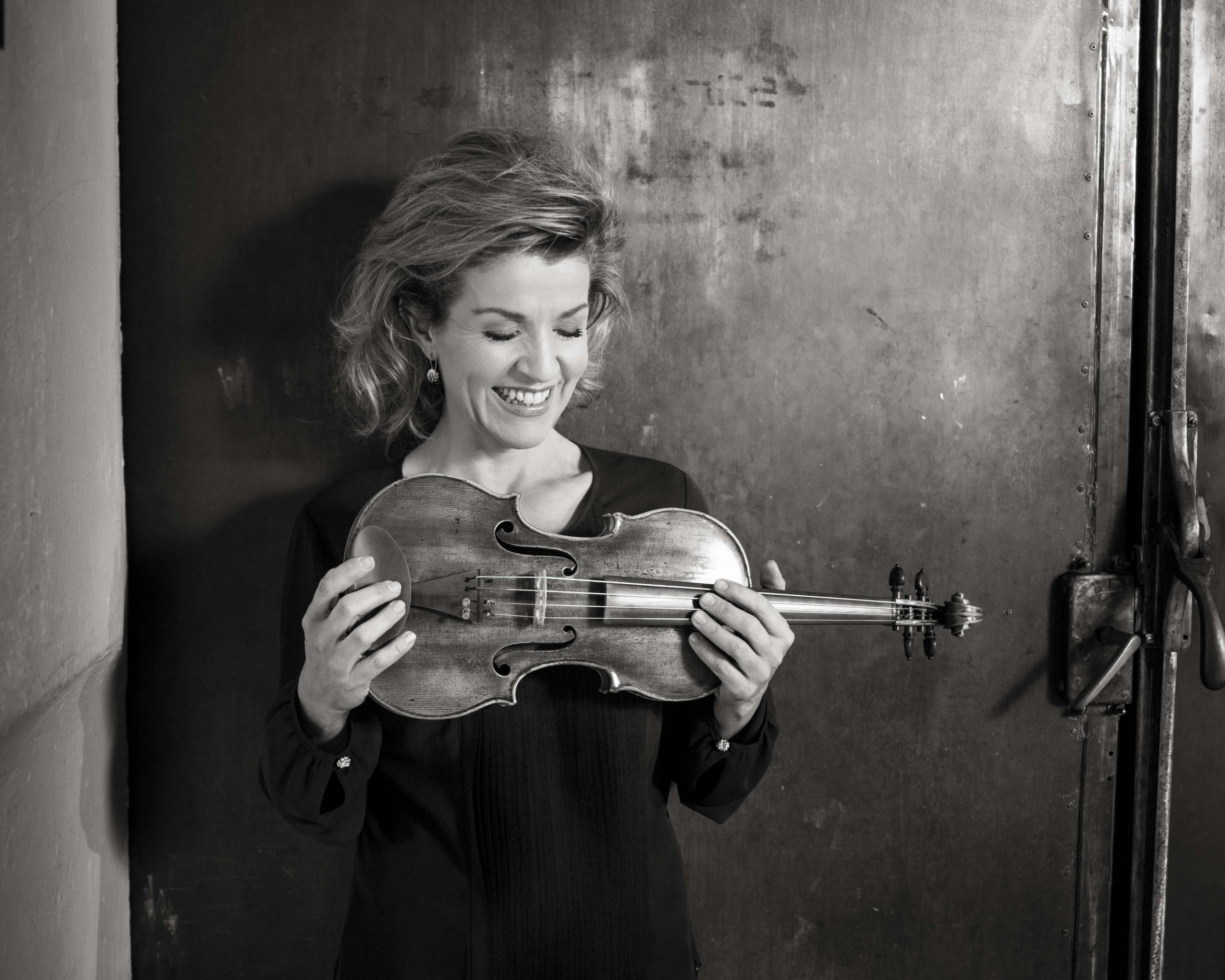
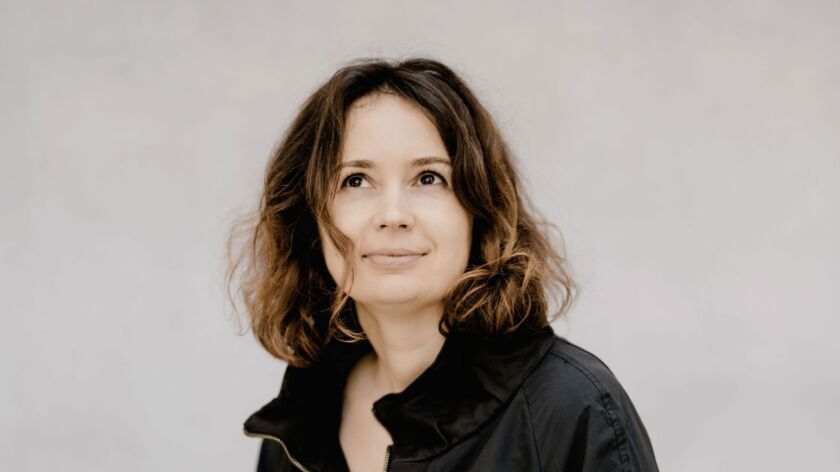
However, these “Miserere” sounds and echoes refer not only to very personal transgressions, but also to the collective guilt of humanity, given the creation it torments, exploits and abuses. “The world has changed: nature is no longer as idyllic and intact as it was in Beethoven’s time. What we have done to it cannot be undone,” the unique violinist Patricia Kopatchinskaja is convinced. Together with the Camerata Salzburg and with the help of video and staged elements, she focuses on the destruction of our environment committed by all of us in a concert project entitled Les Adieux, which is extraordinary in every way (19 July).
It all begins with Ludwig van Beethoven’s Pastoral, his celebration of the restorative power of rural life – yet instead of the pantheist finale, the funeral march from the Eroica is heard. The theme of Robert Schumann’s Ghost Variations and the slow movement of his Violin Concerto as well as the Passacaglia from Dmitri Shostakovich’s Violin Concerto No. 1 are followed by excerpts from Luigi Nono’s Ricorda cosa ti hanno fatto in Auschwitz and an improvisation on the carnyx, a bronze trumpet from the Iron Age. – Have we long begun resembling the citizens of Pompeii, unsuspectingly stumbling towards our certain downfall? Is there anything more for us than the Miserere, in the face of existential horror and apocalyptic visions?
Walter Weidringer
First published in the Festival insert of Salzburger Nachrichten