Saint François d’Assise
Olivier Messiaen

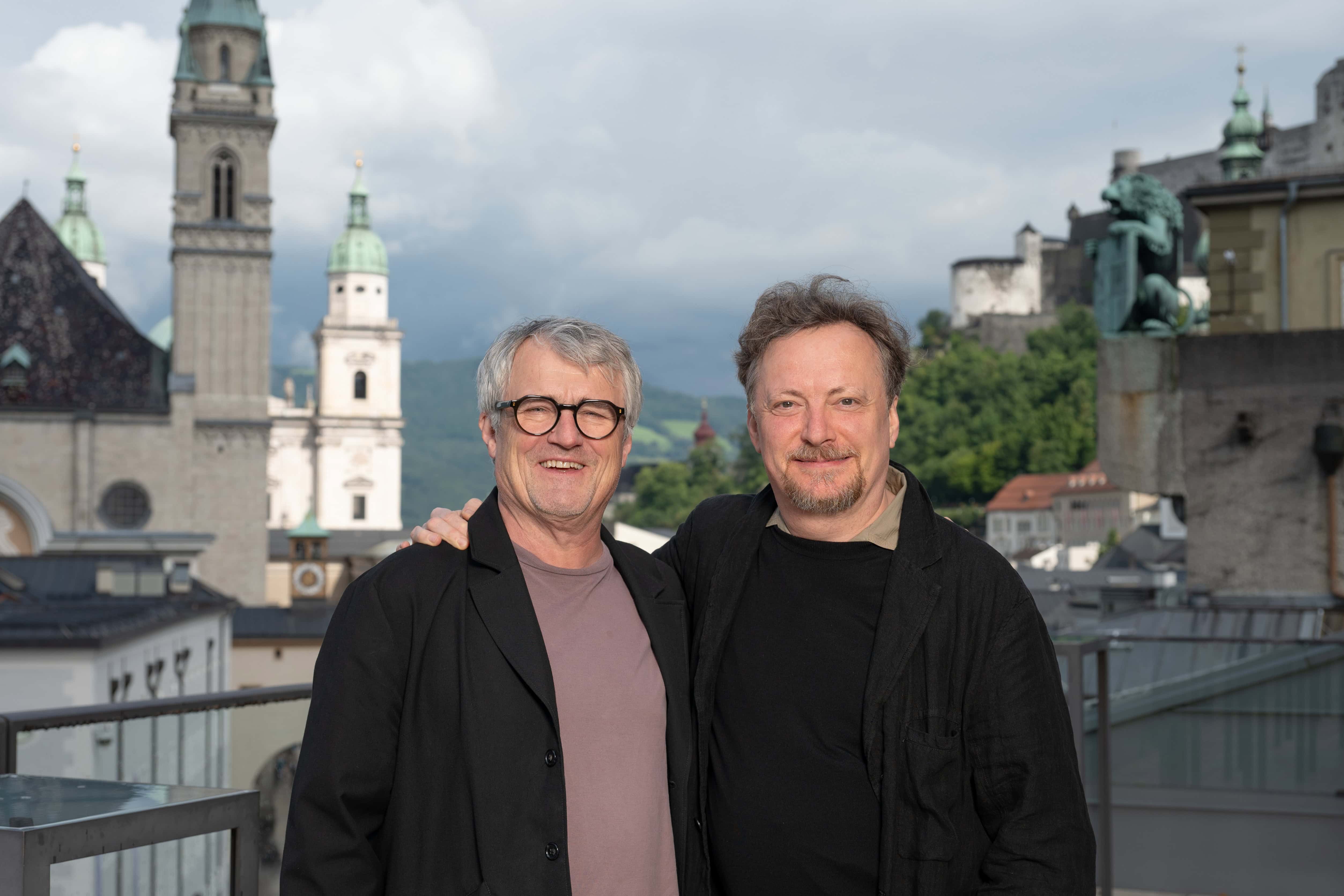
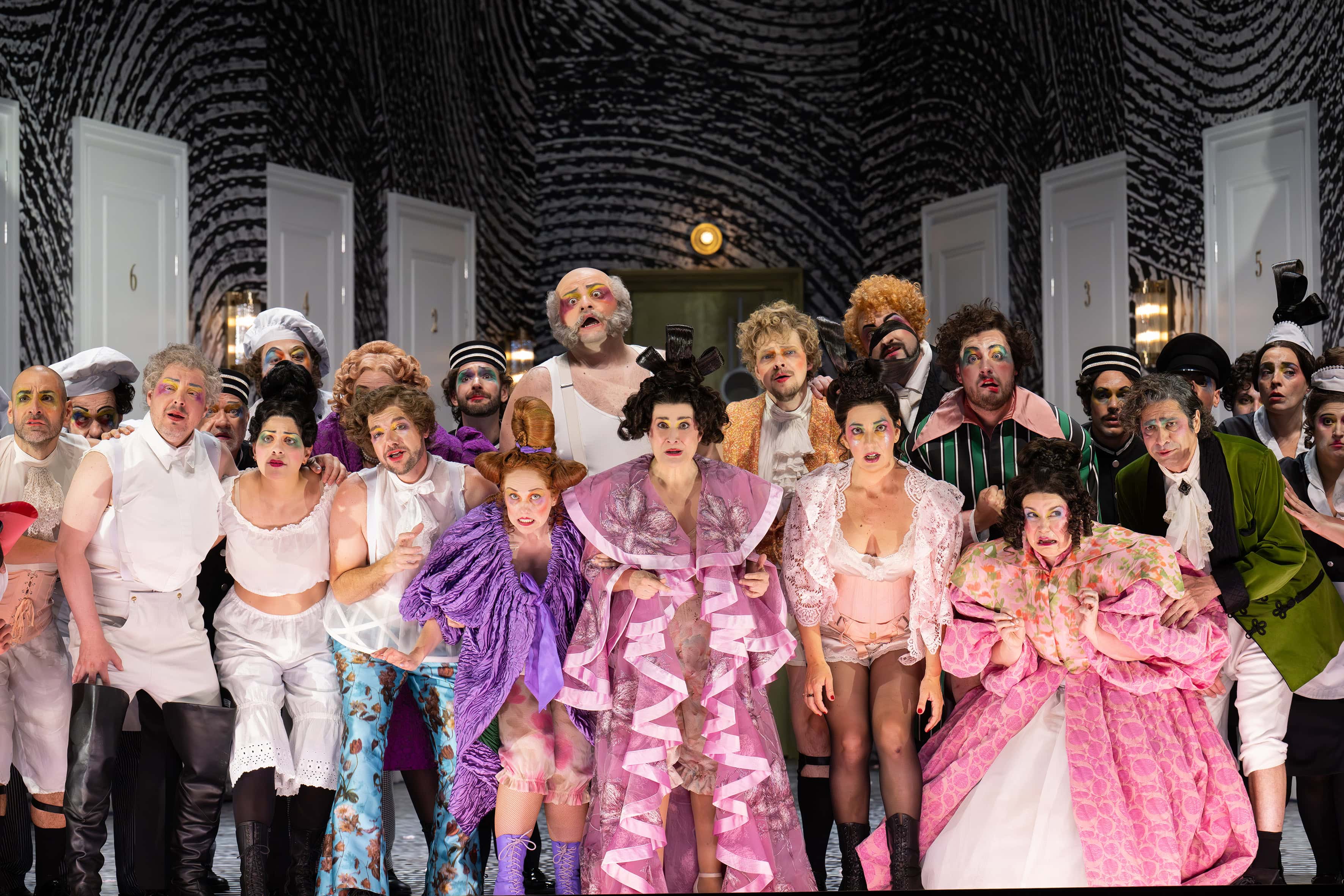
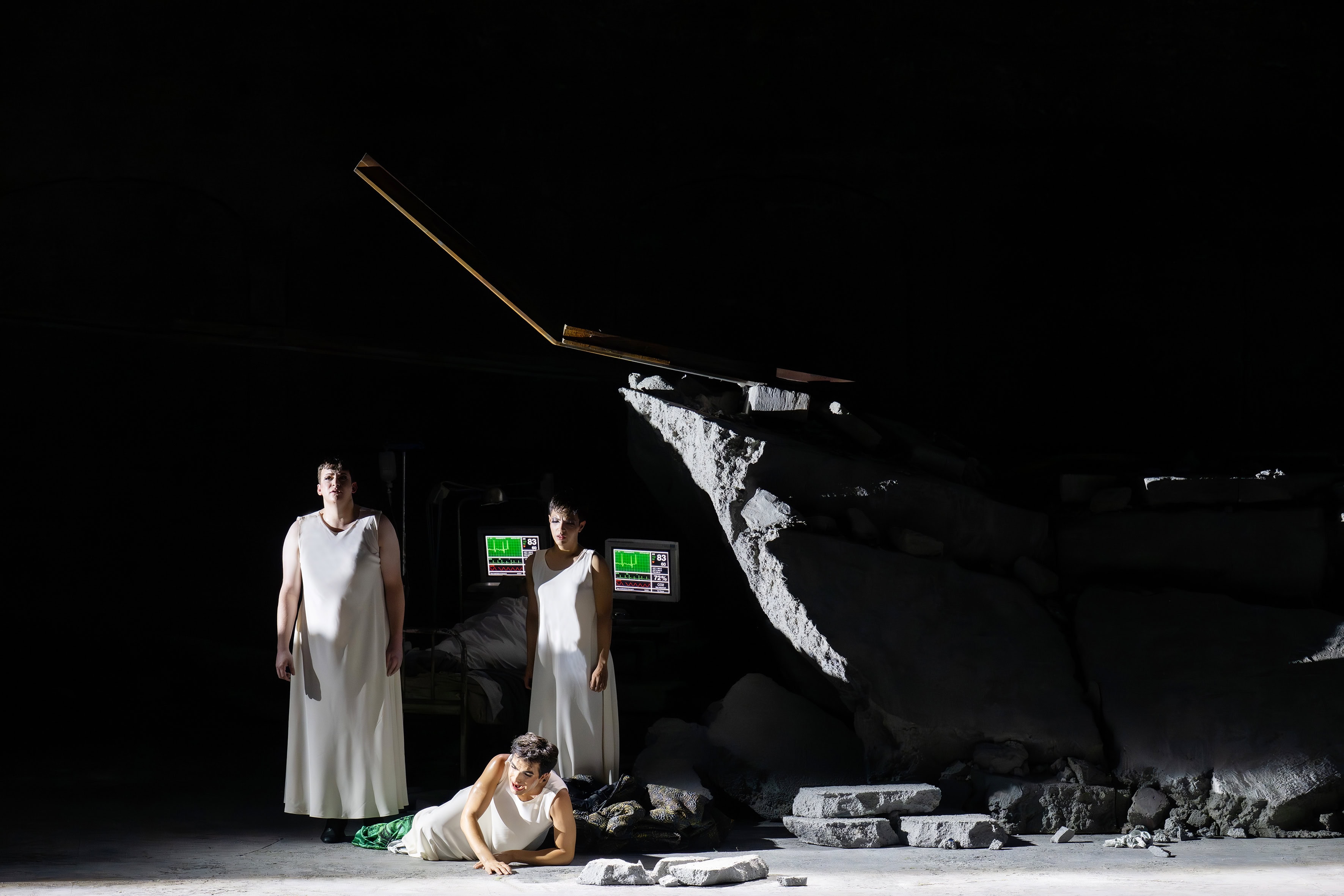
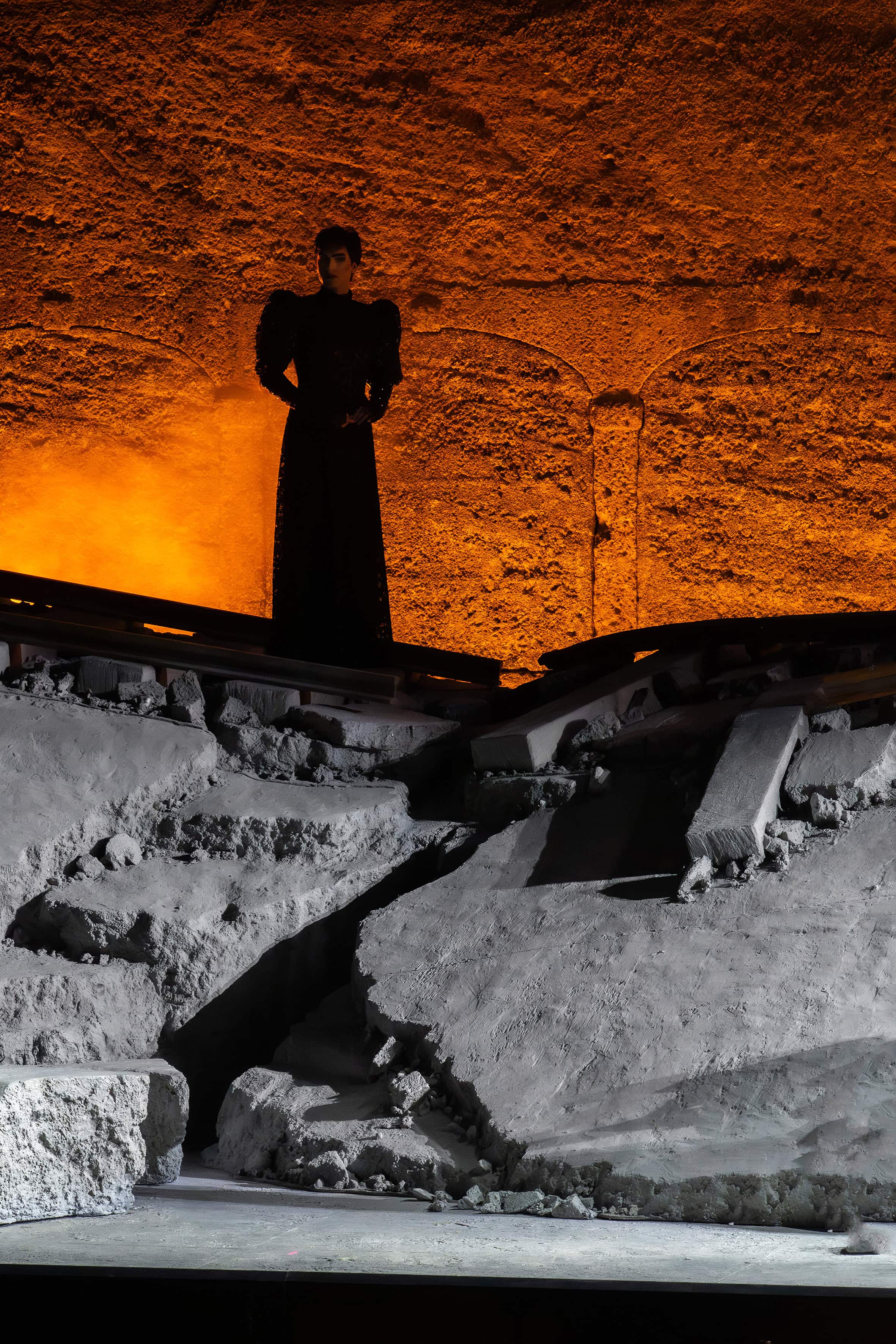
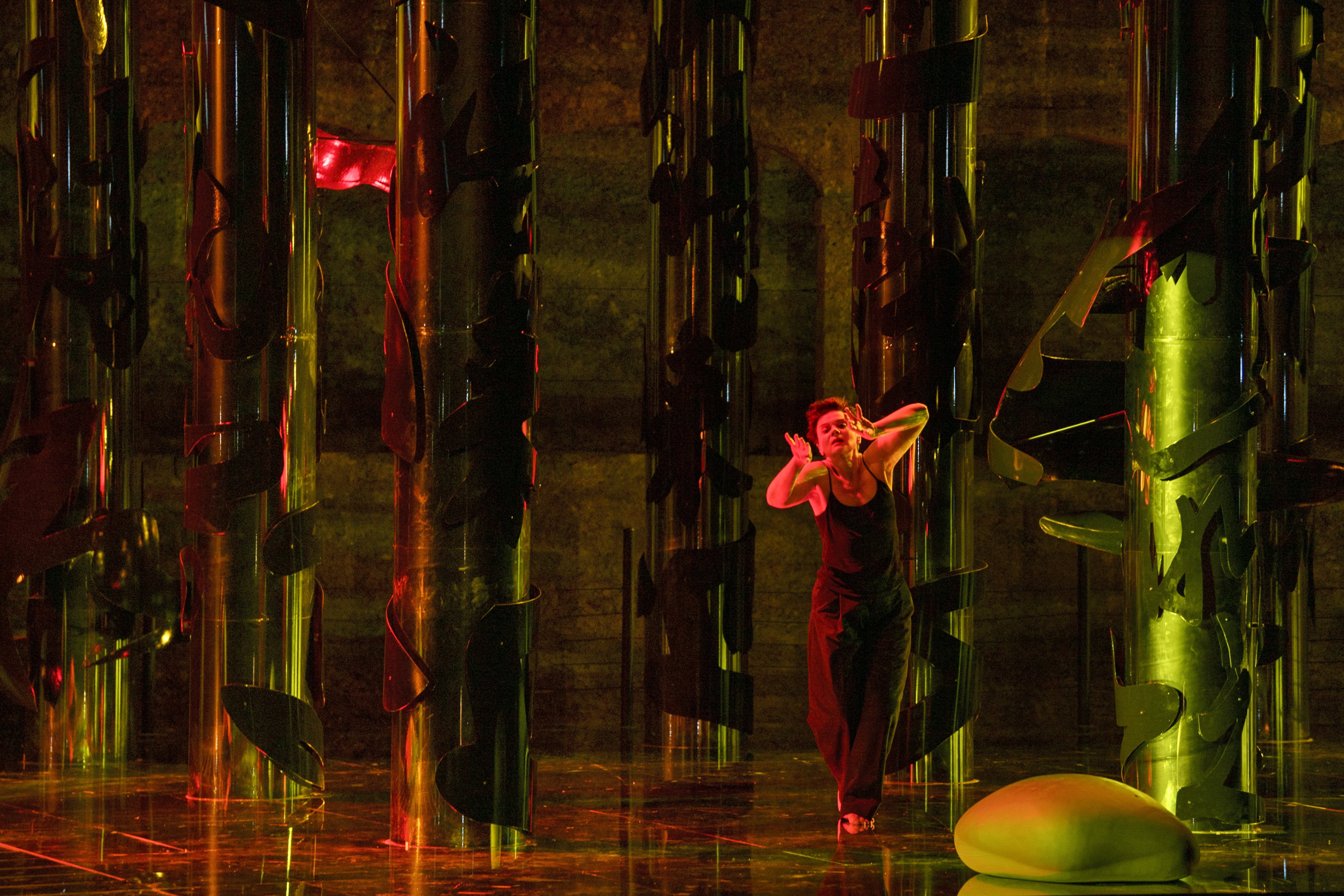
Coinciding with the 800th anniversary of Francis of Assisi's death, director Romeo Castellucci and conductor Maxime Pascal return to Salzburg's Felsenreitschule, embarking on a metaphysical, spiritual and musical journey of discovery with the great saint: Saint François d'Assise is more than an opera – in this key work of the 20th century, the French composer Olivier Messiaen created the summation of his entire artistic, religious and philosophical development.
The world of theatre was unlocked for Olivier Messiaen when he was a child, experiencing William Shakespeare’s works; the world of music came to him through opera: it was the stage works of Mozart, Gluck and Wagner, and first and foremost a piano reduction of Debussy’s Pelléas et Mélisande which awakened in the boy the “calling to be a composer”. When the time came to study analysis at the Conservatoire in Paris, Messiaen also dedicated himself comprehensively to opera. “I often told my students that opera was an artform threatened with extinction, that they should dedicate themselves to musical theatre.” And yet, he could not bring himself to composer an opera. Even in the year of his death, 1992, he would emphasize that he considered himself “untalented for the opera stage for a long time”. Thus, it required some cajoling to get Messiaen to write his only stage work in the early 1970s – when he was already over 60 and considered one of the most important composers of the 20th century.
Rolf Liebermann, then the director of the Opéra de Paris, took advantage of a dinner at the Élysée Palace in the presence of Georges Pompidou to commission Messiaen directly. The composer felt compelled to accept: “In the presence of the President of the Republic, I could not refuse.” Other commissions and Messiaen’s continuous self-doubt would still delay the project by several years; the date of the world premiere had to be postponed several times, as the work tested the composer’s limits of endurance.
The subject of the work, on the other hand, was quickly found. The content “had to be religious […], and it had to allow for the presence of birds”. For Messiaen was not only a lifelong devout Catholic, but also a passionate ornithologist, who travelled the world in search of ever-new bird songs – songs that had a profound influence on his compositional output.
He discarded his dream of writing an opera about the passion and resurrection of Christ, convinced that “making Christ sing” was impossible. In Saint Francis of Assisi, he finally found a suitable main character for his opera, as he considered him his “confrere, as he talks to the birds”, and the saint “who most resembles Christ, inwardly in his poverty, chastity and humility, and outwardly by the stigmata on his feet, hands and side”.
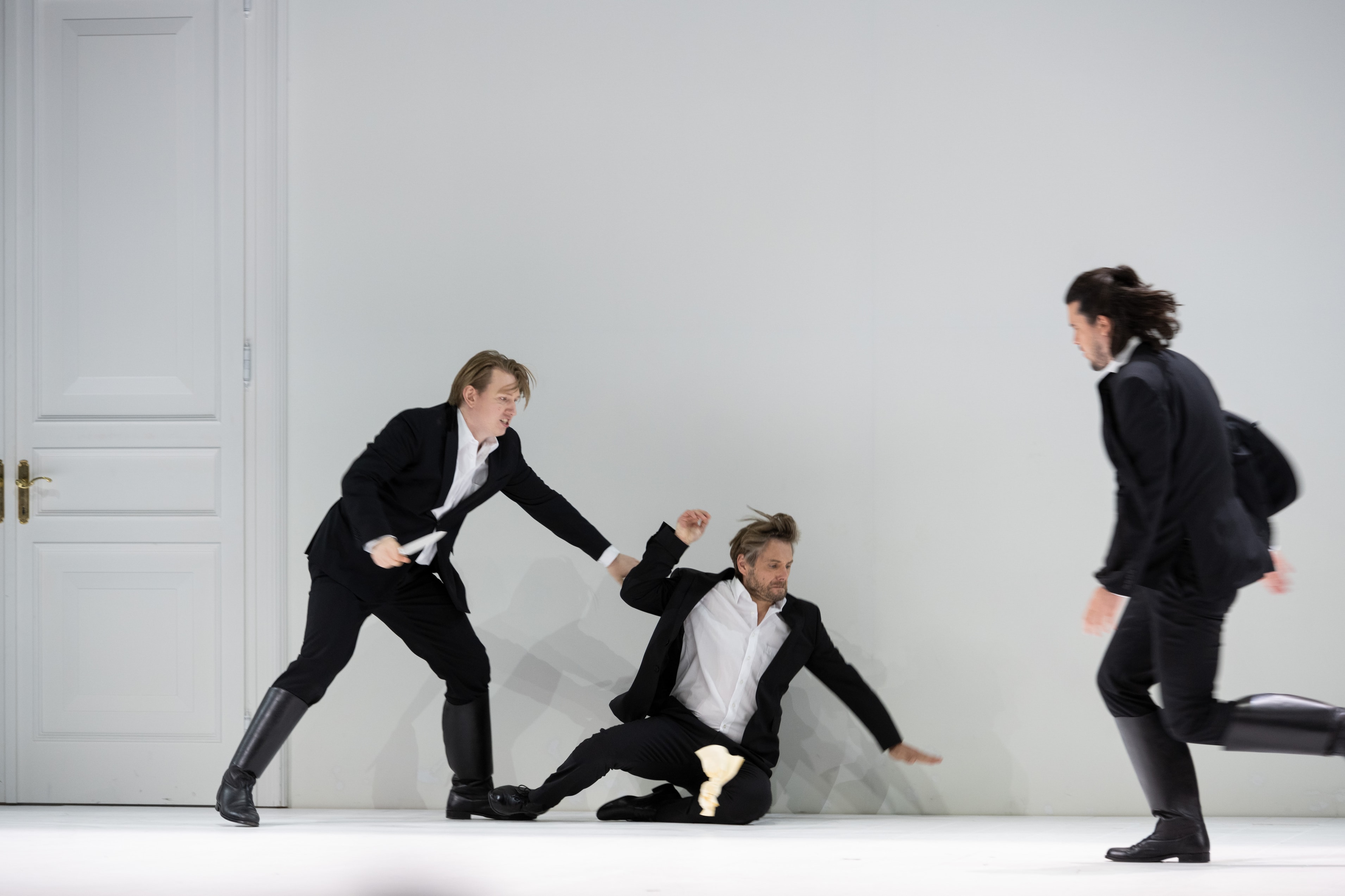
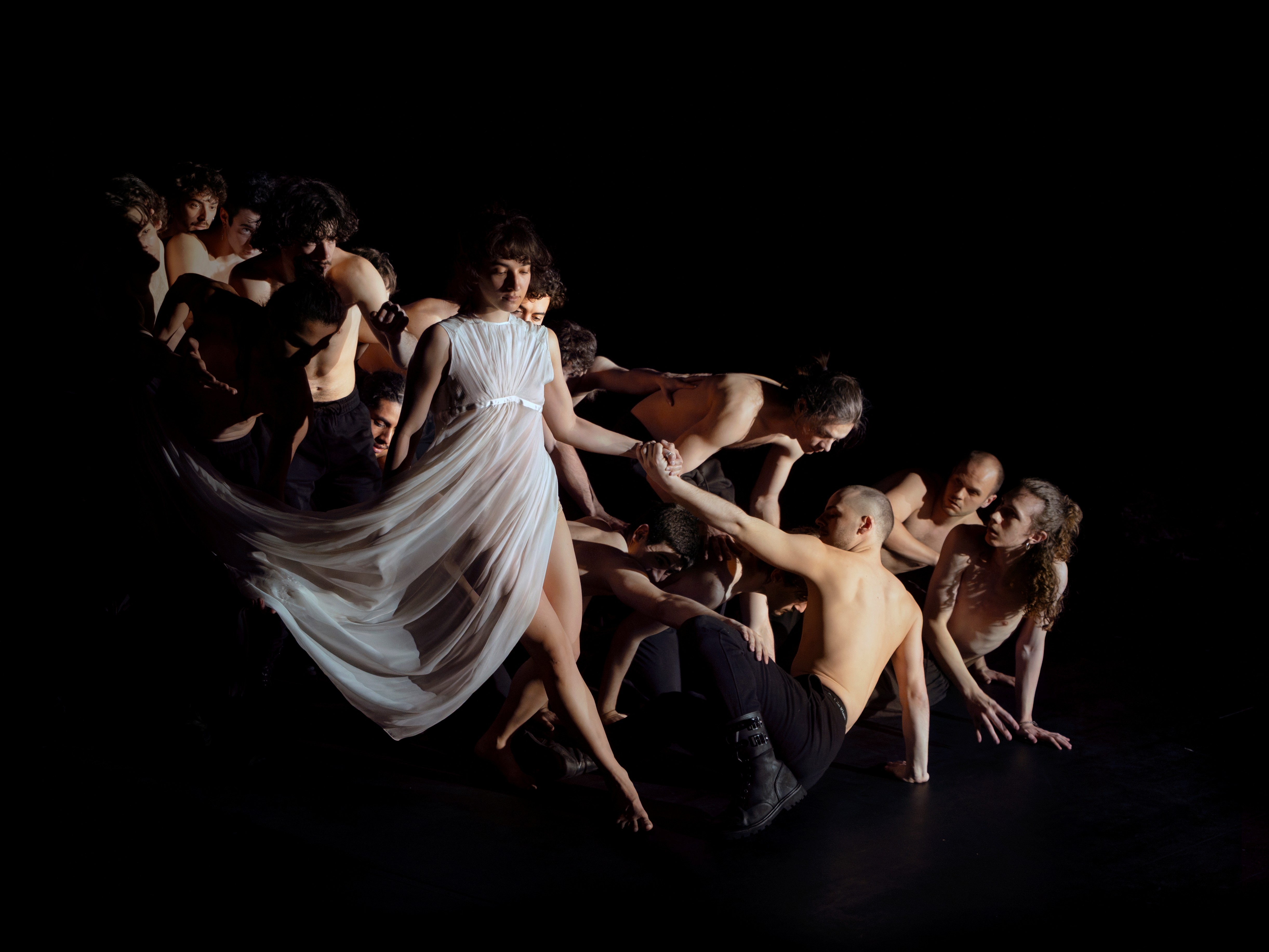
Director Romeo Castellucci describes Saint François d’Assise as a countermodel for traditional opera, one that Messiaen consciously designed in an unorthodox fashion. The action does not follow a linear plot, but paints – in the manner of Giotto’s cycle of frescoes in Assisi – “individual images that are not necessarily connected”. These images leave ample room for interpretation, while also giving a realistic impression of the nature of the saint, devoid of any romanticization. “The Francis we meet in the opera,” says Castellucci, “is a personality of extreme radicality, one who breaks with established patterns and opens up a new way of seeing the world.” At the beginning of the opera, he is not a saint yet, but a human “on a path of his personal development and search”.
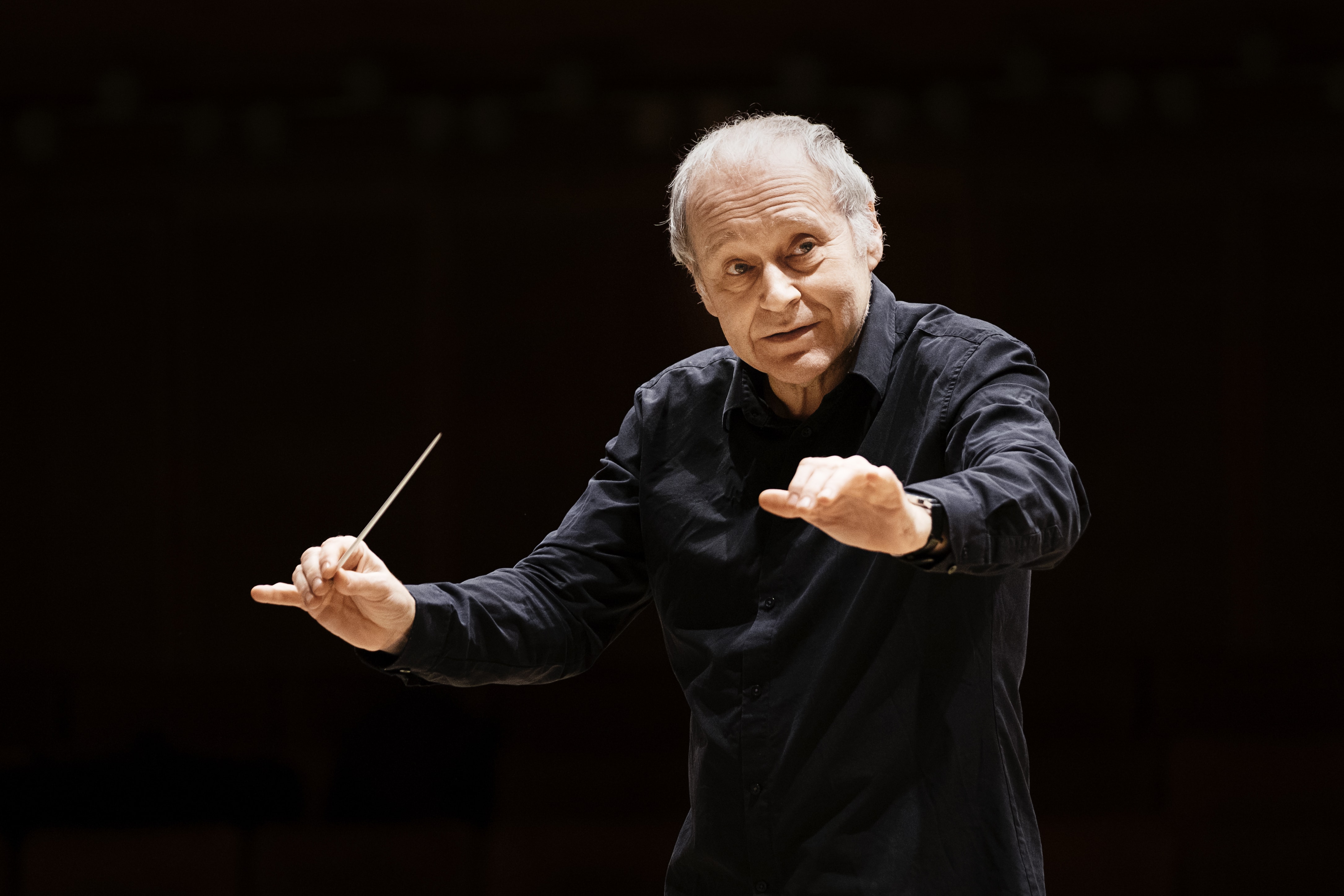
The transformation from human to holy man can be felt in the music. To the conductor Maxime Pascal, one of the special attractions of Saint François d’Assise lies in the duality between the outer dimensions of the piece – the score calls for a massive orchestra and a very large chorus – and its action, which takes place exclusively in the interior. “Messiaen challenges us to hear the music of what is invisible.” It is noteworthy that the chorus sings from off-stage for much of the work, because it is articulating the words of Christ, and to Messiaen, Christ cannot be represented on stage. The work invites us to introspection, to leave the superficiality of life behind with Francis. “The sound of this music reverberates within us, and it will change the audience, just as it has changed me,” Pascal is convinced. To him, Romeo Castellucci is the ideal director for this work, as he has the talent “of making the music visible, creating images for inner processes”.
David Treffinger
First published in the Festival insert of Salzburger Nachrichten