
Of Love and Suffering
Benjamin Bernheim on the concert performances of the opera Werther.
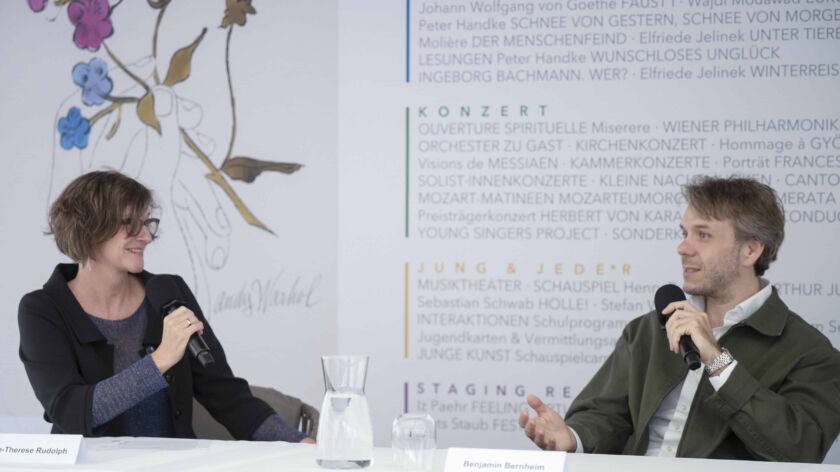
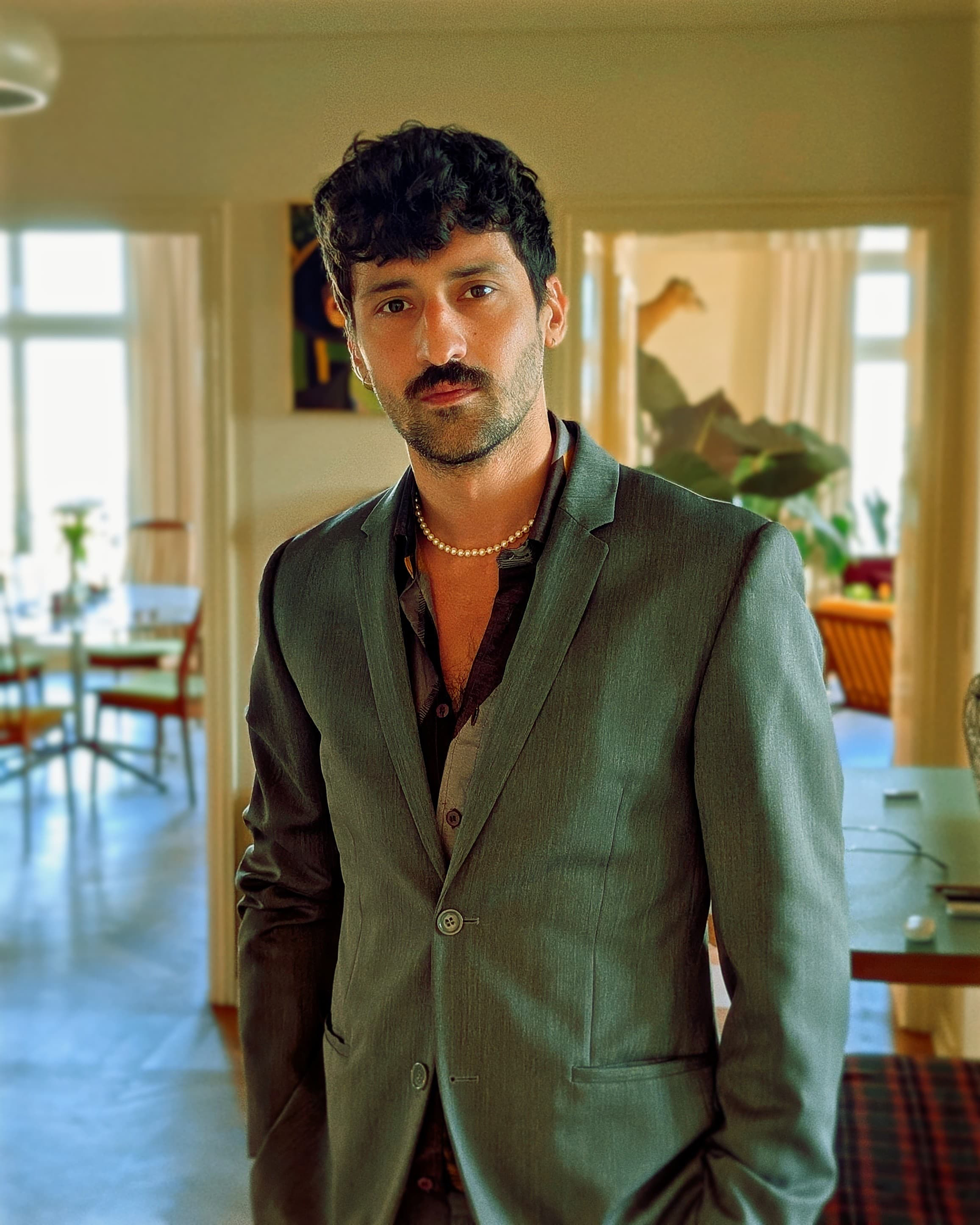
“For me, it’s very important to love a role,” says tenor Benjamin Bernheim, who will sing the title role in the opera Werther. The story of the tragic figure of Werther was popularized in 1774 by Johann Wolfgang von Goethe’s epistolary novel Die Leiden des jungen Werther (The Sorrows of Young Werther), a worldwide bestseller. More than one hundred years after the publication of Goethe’s novel, Jules Massenet turned the tale into an opera, casting Werther as a lyric tenor. In the concert performances on 29 July and 1 August, Benjamin Bernheim takes on the complex title role, one that he says keeps growing inside him.
“Does he really want her, or is the truth that he wants to suffer?”
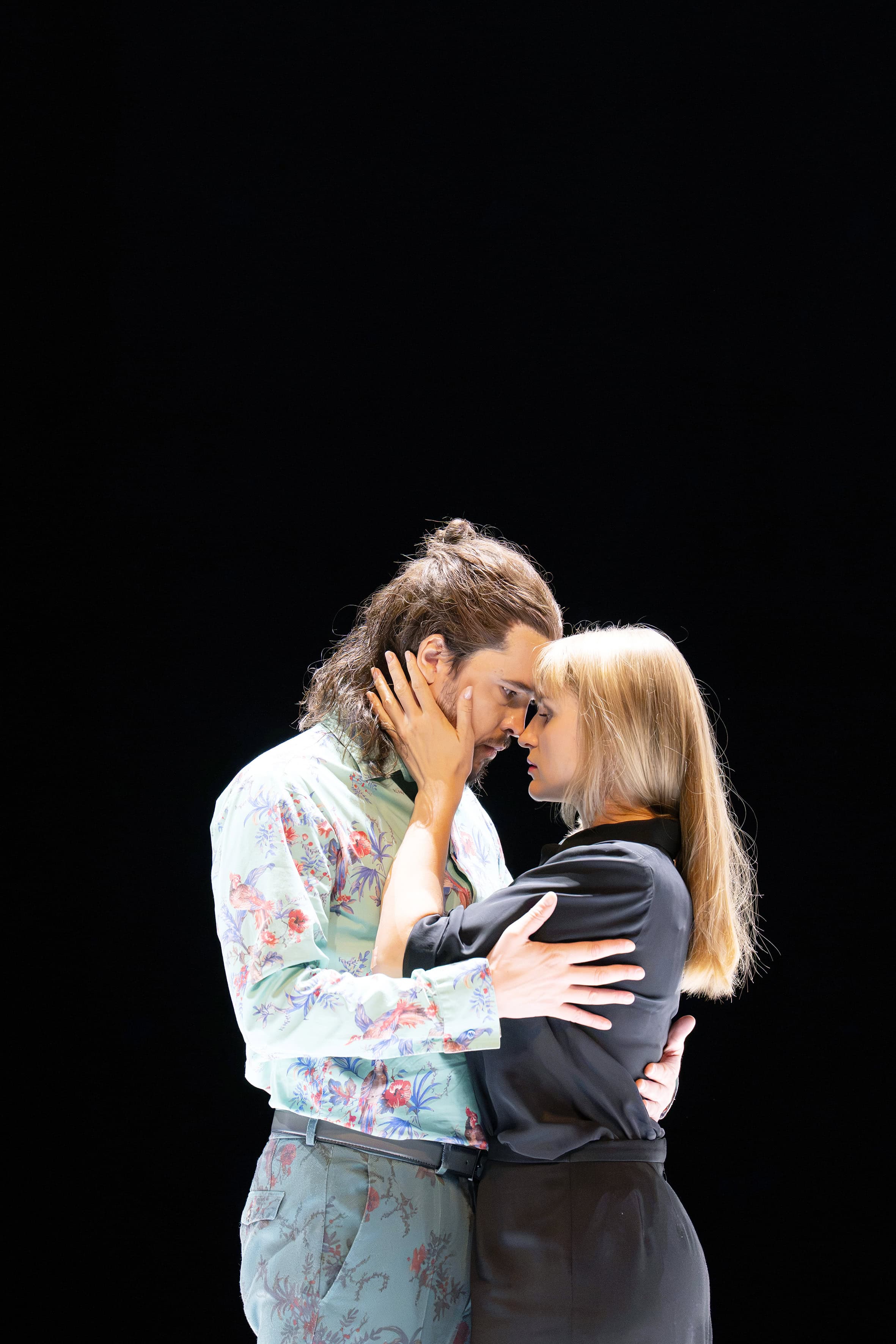
The focus of the Werther story is the unhappy love Werther feels for Charlotte, long believed to have been unrequited. Since Charlotte is promised to Albert and finally marries him, she rejects Werther, who is unable to get over his feelings for her. His pain causes him to consider suicide, and he finally gives in to this urge. While Werther dies alone in Goethe’s novel, barred from a Christian funeral, in Jules Massenet’s opera, he and Charlotte share a final scene of resolution, in which she confesses her love for him and cradles Werther in her arms as he dies.
From the most jubilant feelings to suicidal ideations, the character of Werther demands a great breadth of feelings. “It’s a highly complex role,” Benjamin Bernheim explains. “As a singer, I have to decide: am I the emotion or am I the actor? Sometimes it’s not so easy to return to oneself at the end of a performance.”
The French tenor first embodied Werther on stage in Bordeaux in 2022. “I was ready, but quite wet behind the ears. Over time, the role grows within you.” Two years ago, a performance at the Salzburg Festival might have been too early, as Bernheim remarks, but now he feels that he has the experience and maturity to sing this role on the large stage. “It’s a bit like La traviata for a soprano. You have to be young, yet dramatic.” The singer calls the opera character Werther a “manipulator. He is not a nice young man. He lies to Albert and Charlotte, and his words get deeply under their skin. He knows this is the only way to win Charlotte over. About Massenet’s Werther, I ask myself: does he really want her, or is the truth that he wants to suffer?” Werther is part of Bernheim’s repertoire, or, as Festival President Kristina Hammer mentions in her introduction: “I think this role was written for him.” He confirms: “The roles I sing are the roles I feel. And I love singing this role.”

Werther as a symbol of German-French friendship
Asked for a reference recording, Benjamin Bernheim names that by the Orchestre symphonique de la Monnaie, which will also play on 29 July and 1 August under Alain Altinoglu’s baton. Bernheim emphasizes the importance of the conductor: “Alain feels the soul of the French repertoire. This Massenet opera is in his blood. It feels so good to sing with him.” In Altinoglu and the singer Adèle Charvet, who will sing the role of Charlotte in Salzburg and has, in his view, “the perfect voice” for this part, Bernheim sees a symbol of German-French friendship. This is also his broader understanding of the opera Werther: despite numerous wars between the two countries, “both cultures go hand in hand”; thus, the German author Goethe wrote the epistolary novel, while the French composer Massenet the opera. He sees similarities with Charles Gounod and Faust. “I consider Werther an important symbol of both cultures coming together.”
Massenet’s opera will be performed on 29 July and 1 August at the Salzburg Festival as a concert performance. To Benjamin Bernheim, this format offers another possibility of recounting the music. “I love this experience on stage too,” the tenor explains. “Werther is very important to me.”