Barrie Kosky offers first insights into the new production of Il viaggio a Reims
“Bon voyage!” is artistic director Cecilia Bartoli’s motto for Whitsun. With her distinctive artistic curiosity, she invites the audience to discover newplaces and perspectives on this journey. She herself will make her role debut as Corinna in this dramma giocoso.
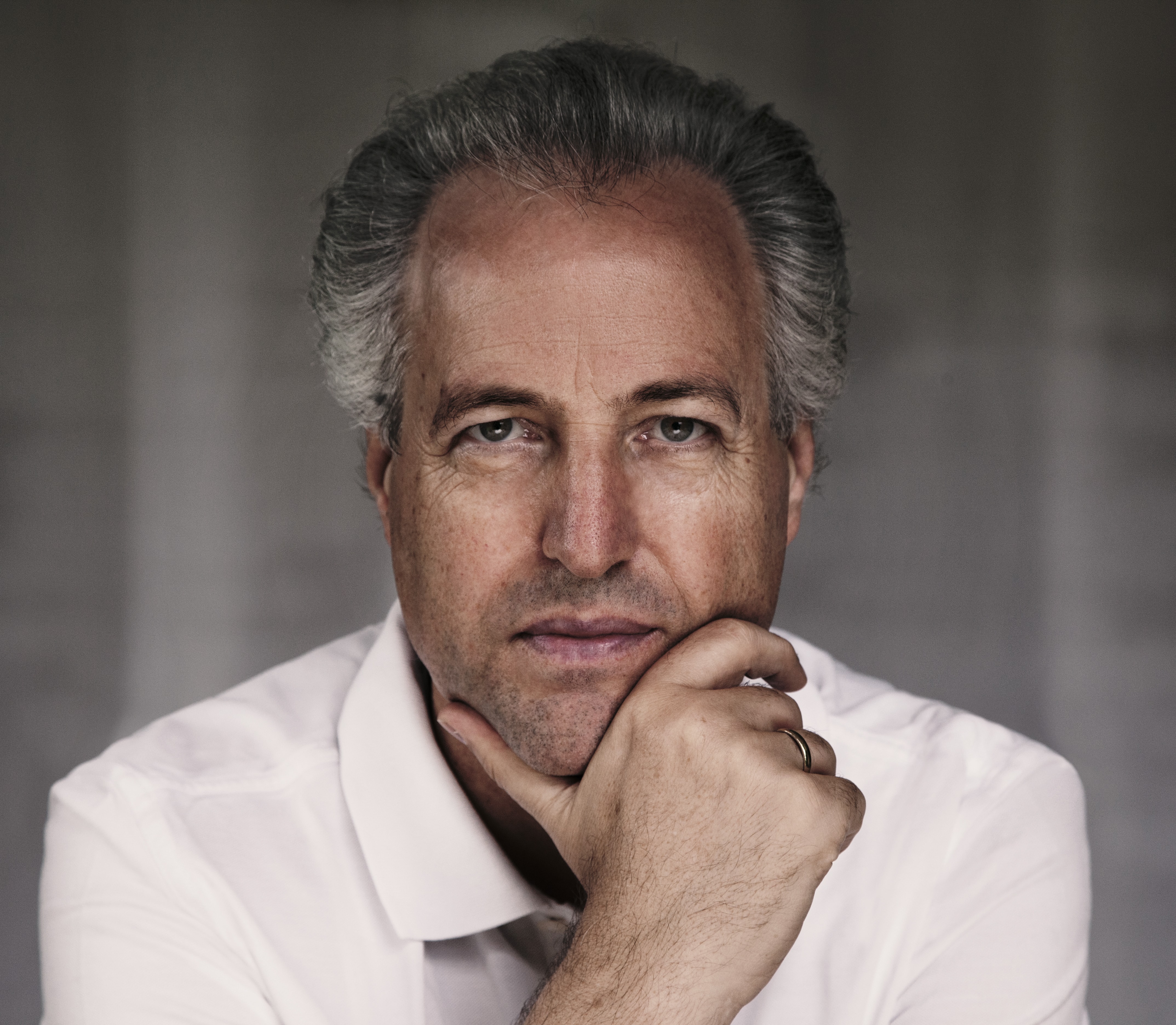
We asked the director Barrie Kosky for his concept and views on this work.
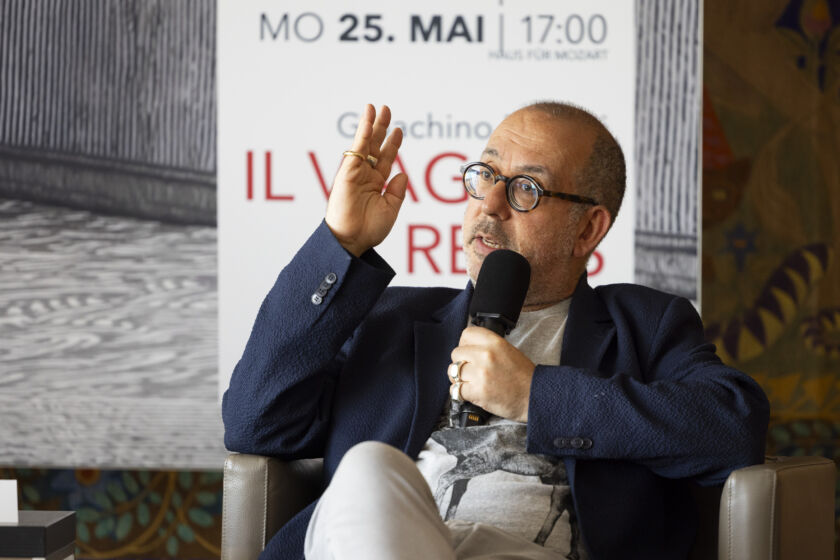
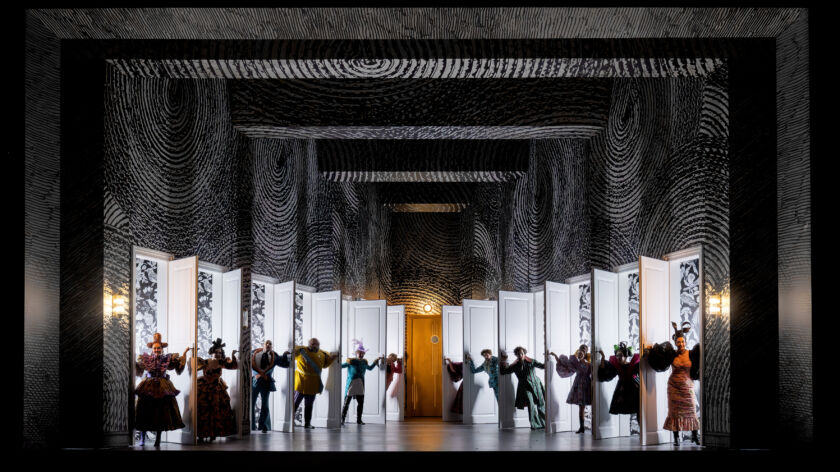
After having staged very successfully J. Offenbach’s Orphée aux enfers (2019), L. Janáček’s Káťa Kabanová (2022) and the pasticcio Hotel Metamorphosis (2025), Rossini leads Barrie Kosky back to Salzburg.
Salzburger Festspiele: Il viaggio a Reims is in many respects an unusual work. What’s so special about it?
Barrie Kosky: Well, Viaggio a Reims is interesting for a few reasons. Firstly, it’s the last opera Rossini wrote in Italian. This was his farewell to Italian opera, and most of the things he wrote after this were not comedies. The second thing that’s interesting is that the piece has a very interesting conception because it was written to celebrate the coronation of Charles X. It was written as a sort of celebration party piece, if you like, not a pasticcio, because that was last year. It was an opera, but it was not intended to be performed after the first series of performances around the coronation.
And then the piece was forgotten, it languished in obscurity. Although it contains some of Rossini’s best music. And it was only really until the 20th century, and only really until a number of Italian musicologists started to put the version together. That was done. And Claudio Abbado did the first famous modern musical version of the piece, that the piece suddenly became successful again. So, it disappeared for a long time.
These elements make the opera, I think, a very interesting starting point for a director and a conductor.
SF: In this piece, the structure as well as the number of roles is very special. And one could maybe even discuss if it’s a real opera, if there’s a real plot. Could you say something about how you deal with that as a director?
BK: Yes, for the director, there are a number of challenges about this opera. There are amazing arias and extraordinary ensembles, that’s really what makes the piece famous, these extraordinary Rossini ensembles. The plot is very simple:
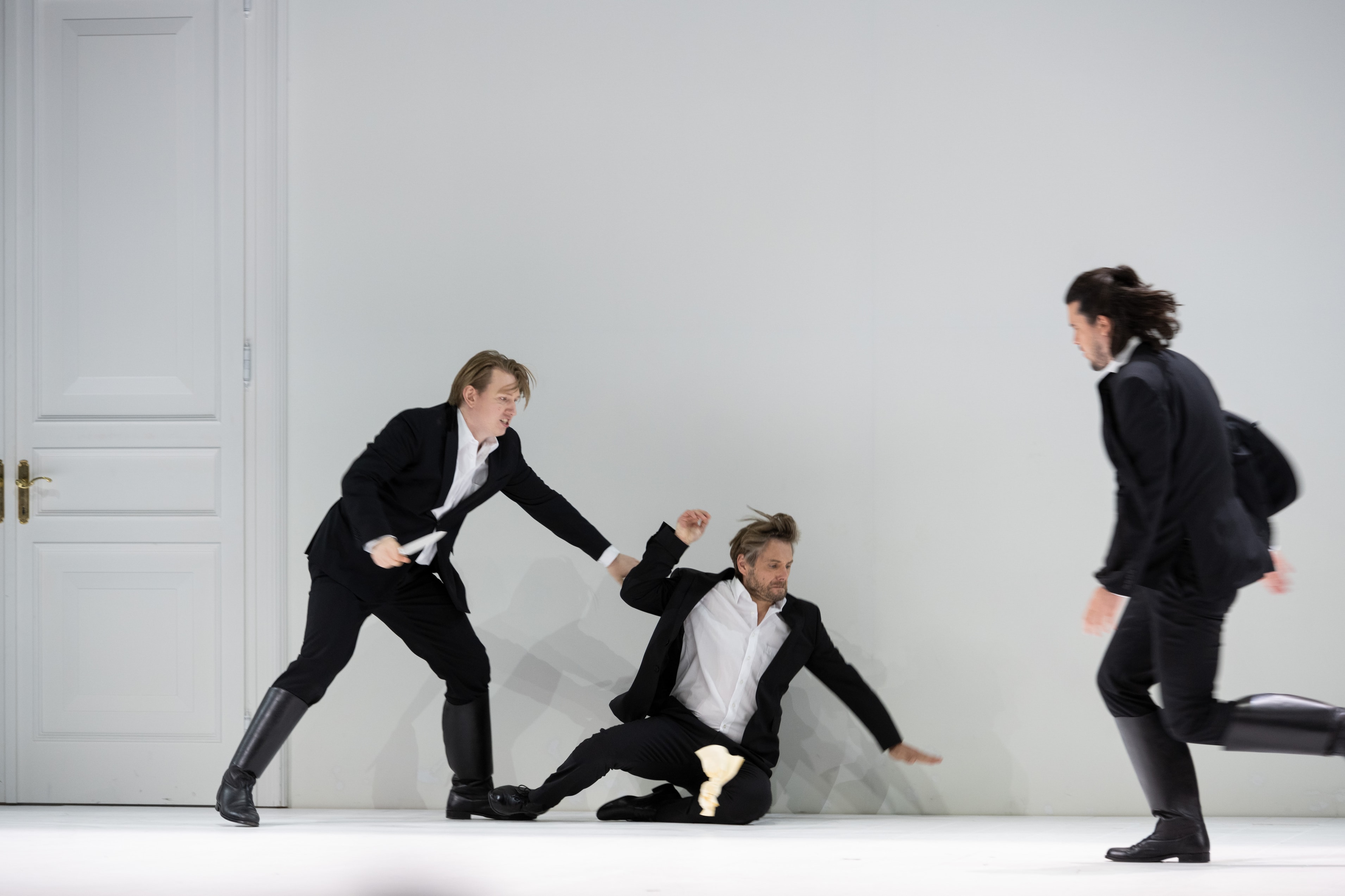
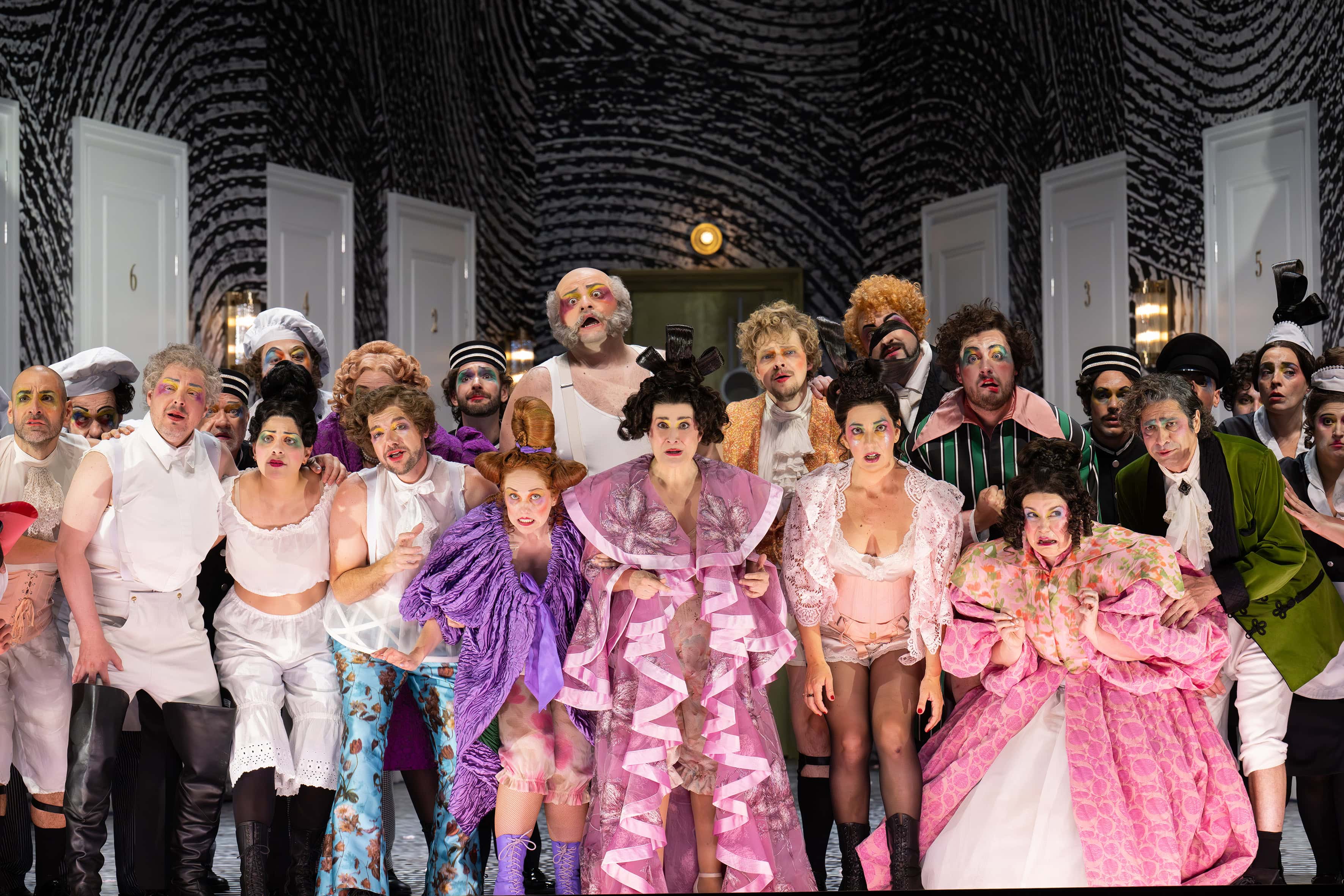
A group of people come together, they’re stuck in a hotel – perfect for comedy. We’ve seen that in Feydeau, we’ve seen that in Buñuel. When a group of people are stuck somewhere, crazy shit happens. And in a way, that was my starting point for the production. To think, okay, what the opera gives for a director is amazing possibilities, because I can invent another story, because there’s hardly any story in the actual opera. And in the case of this production, I always smelt that there has to be something Feydeauesque about it. Georges Feydeau is one of my favorite playwrights. He’s, of course, later than Rossini. He came after Rossini at the end of the 19th century. But Feydeau was really one of the instigators of what developed in the 20th century as slapstick. Feydeau invented this form of farce, this form of incredibly fast entrances and exits, of slapstick, of sexuality and slapstick – because this is always the interesting combination of people in uncompromising positions, of lovers being discovered, of people having rendezvous in hotel rooms. This is all this world that Feydeau developed that you then see in the Marx Brothers, and you see in other forms of comedy.
What I hope to achieve is that the production is a sort of delirium. A delirium of music, because Rossini’s Italian comic music is the music of delirium. Of course, it’s got lovely cantabile sections, and there’s some beautiful sections, but the overall feeling is a world almost spinning out of control. Like Offenbach. It’s exactly like Offenbach. And I think, of course, that’s a present for a director like me!
SF: The guests are from very different countries, and the opera plays, in a way, with the Cliches associated with countries. Something which I think in the 19th century was called national character. How do you deal with these national stereotypes which are present in this piece?
BK: The opera is also fascinating because of this almost caricature of European nationalism. There’s a German, you know, General. There’s the French guy, there’s the Italian guy, there’s the Lord Sydney, the English guy, there’s a Polish guy, youknow, there’s a Spanish guy and woman. And so, there’s people from different European countries. I could have done the whole opera as a sort of farce about the EU now, but it won’t sustain for three hours. The piece is like a souffle. If you did that, you’d have to write another opera. But I think that what Rossini was doing was, of course, playing with cliche. He was, of course, playing with caricature and of course playing with stereotypes. And you have to honor that.
But that’s also a very important ingredient in comedy because comedy – it’s about how you play with these elements. Of course, what makes the piece even more surreal is that you have an Englishman who’s singing in Italian but occasionally putting in English comments. Or you have a German character who’s singing in Italian, not with a German accent, but also has some elements of German in the reset texts.
So, you have these elements in the piece, and I don’t think you should push it too far. There’s nothing worse than an audience sitting and watching people making fun of people’s accents. It’s not funny after five seconds. So I don’t think nationalism in the end is actually one of the important elements of the opera. There’s a very famous scene at the end when they all try out sing each other, singing their versions of the nationalistic songs, but the joke is in the music. So, if you overlay that too much with other jokes, then the joke dies. And I think that you have to play a very fine line between outrageous slapstick and keeping it human, because the slapstick is only funny if it’s a human slapstick.
So, for me, it’s very exciting because I’ve done so much Offenbach and this is my first Rossini opera since I did Barbiere when I was a young opera director in Melbourne, Australia, and I was 21 years of age. And that was the last time I did opera or Rossini opera. And I’ve always asked artistic directors around the world, please, please, can I do Rossini comedy? But no one wants to give me a Rossini comedy. So, when Cecilia said, what about viaggio? I said: absolutely, I love the music, let’s do viaggio. And I’m excited to be able to present this, you know, electrifying Rossini music on stage.