The Burden of Silence
Ancient mythology interwoven with the present: in Europa after Wajdi Mouawad’s Europa’s Pledge, director Krzysztof Warlikowski asks about the inheritance of traumatic events.
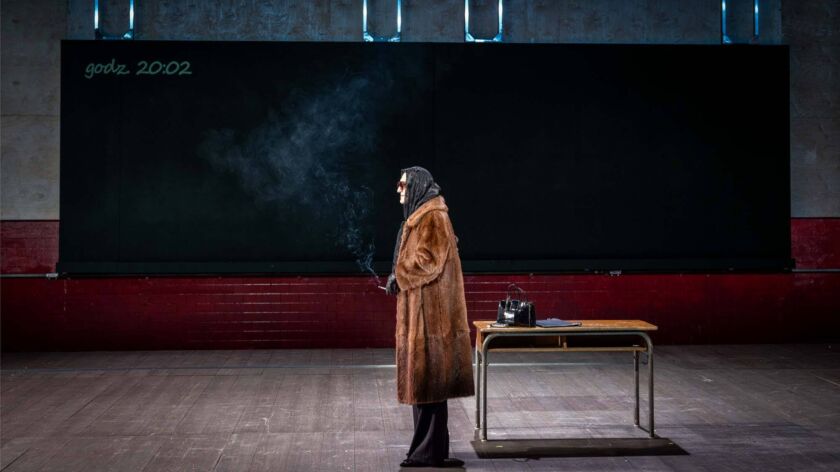
Europe. A continent whose name rests on the story of the abduction of a Phoenician princess, carried off by Zeus in the guise of a white bull and brought to Crete. In Wajdi Mouawad’s Europa’s Pledge, what at first glance appears to be a regression to the origins of ancient narrative traditions reveals itself as a merciless interrogation of the history and present of the “myth of Europe”. In ancient Europe as well as today, we are sometimes victims, sometimes perpetrators, sometimes close to, sometimes distant from traumatic events.
Far from Home. In ancient mythology, Europa does not return home; she remains the abducted, the displaced, the stranger – a figure who does not go back but begins a new life elsewhere. Uprooting is also the central theme in the work of the Lebanese-Canadian author Mouawad, whose plays revolve around questions of origin, cultural identity and community. His texts engage with the collective legacy of violence and war, with the suppression of history and traumatic experience.
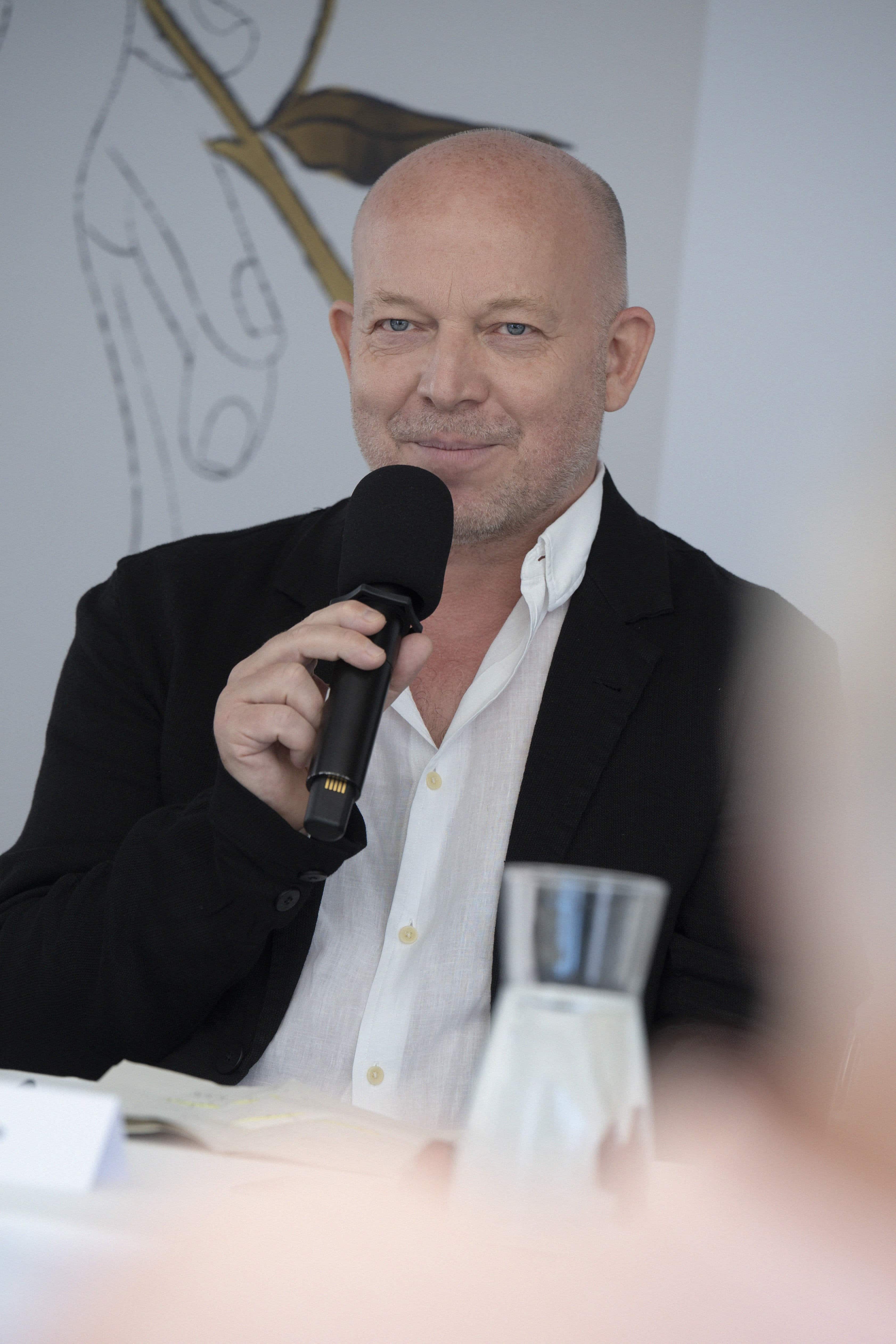
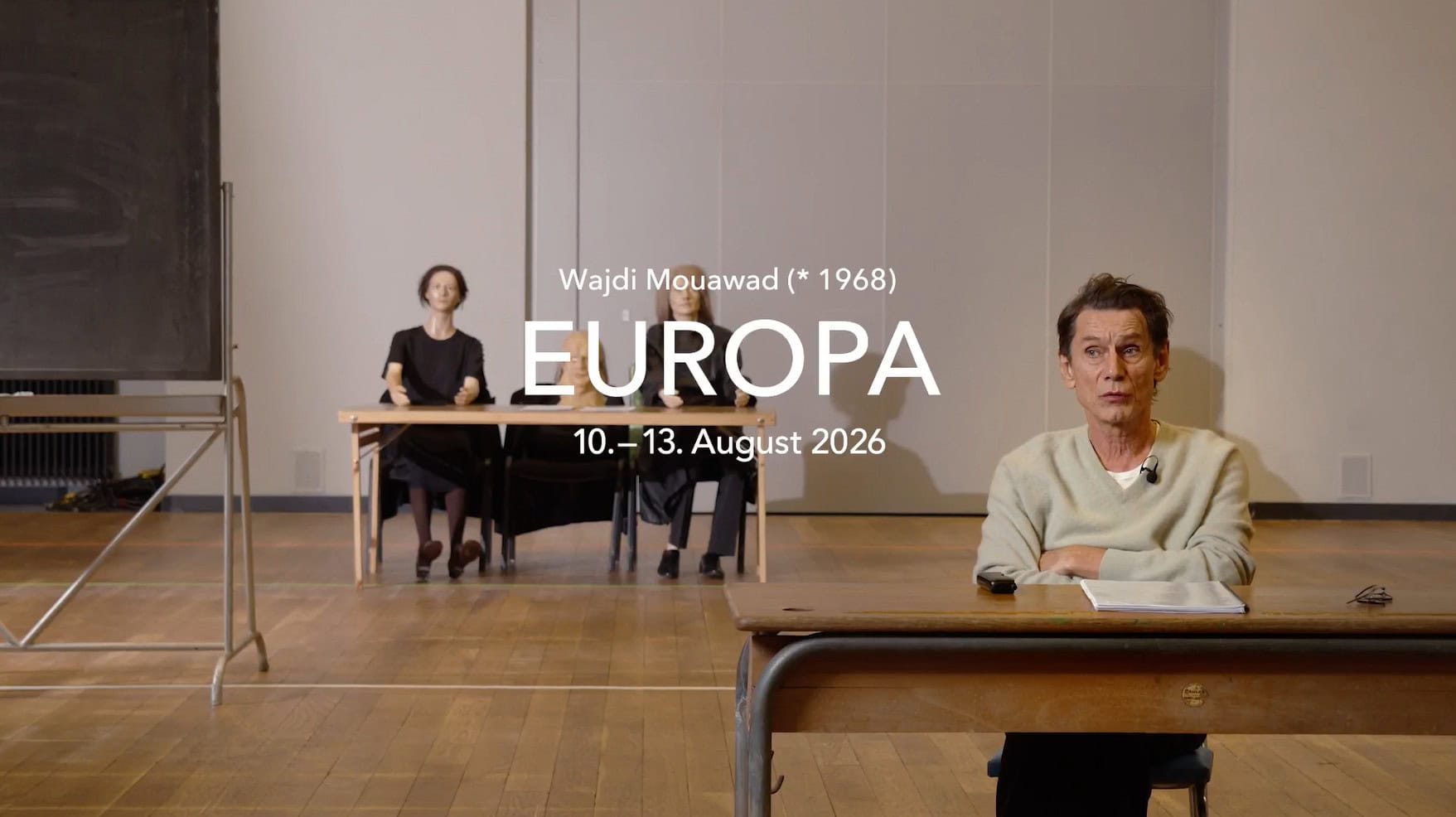
Mouawad, born in 1968 in Lebanon and later having fled with his family to Québec via Paris, is one of the most significant dramatists of the present. His work is shaped by the experiences of war and exile. He is director of the Théâtre National de la Colline and holds a newly established chair at the Collège de France devoted to the languages and cultures of Europe. His international reputation is owed not least to „Incendies“, the Oscar-nominated film adaptation of his play of the same name, directed by Denis Villeneuve.
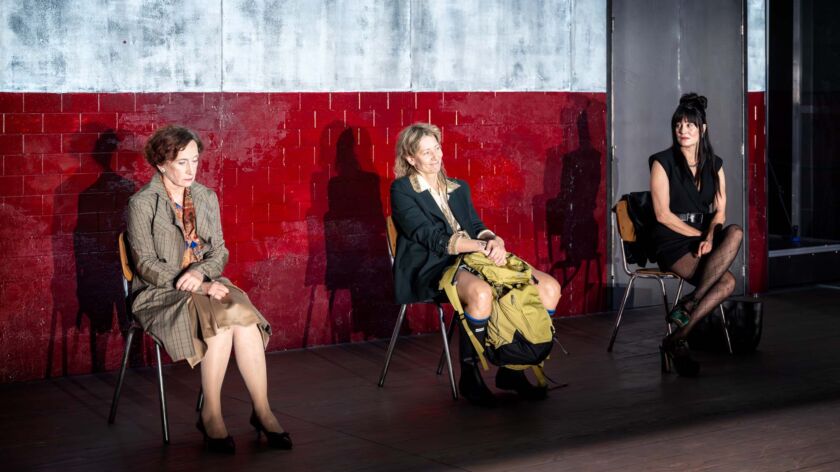
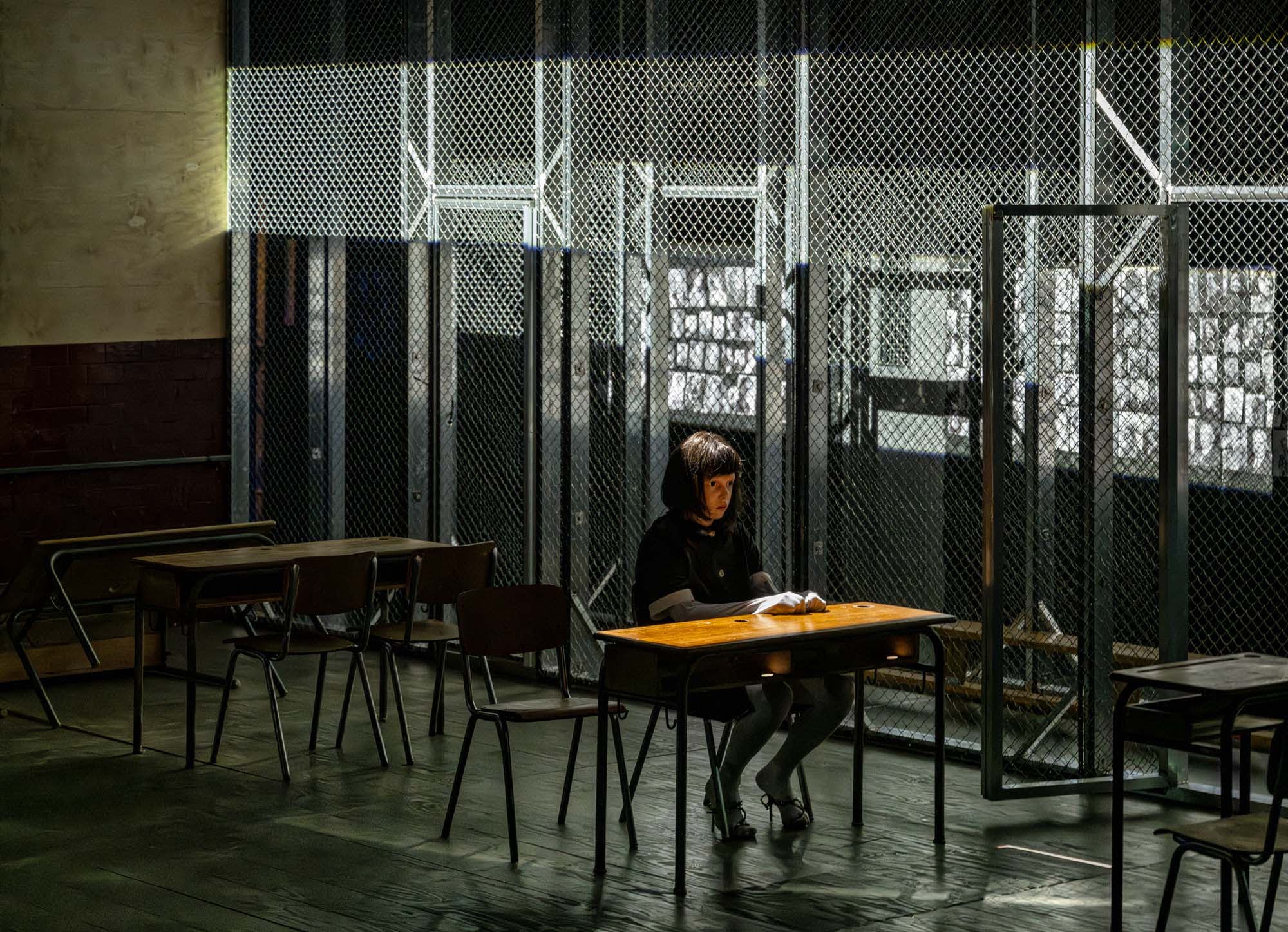
Working Through a Trauma. The wish “to make theatre grew out of tragedy,” and so his plays arise from intensive engagement with ancient pre-texts. Mouawad also draws on the methods typical of Greek theatre, such as catharsis, and understands theatre as a place for processing and healing. He combines mythological foundations with modern narratives. „Europa’s Pledge“ too, which was premiered at the Epidaurus Festival in the summer of 2025, follows this approach, though here the dramatic starting point is a massacre witnessed by an eight-year-old, who is compelled by an investigation to remember and break her silence – in the process, wounds believed to be past are reopened. Not the massacre itself, but its consequences observable across several generations, and the burden that silence carries, stand at the centre.
Individual memories and collective history can no longer be clearly assigned. It is about the increasingly frequently discussed topic of generational trauma, the recurring violence in the form of wars, genocides and massacres of civilians, the question of guilt and innocence, of perpetrators and victims, of responsibility within a system shaped by violence. How much guilt does one bear without having been directly involved, and what traces does this leave?
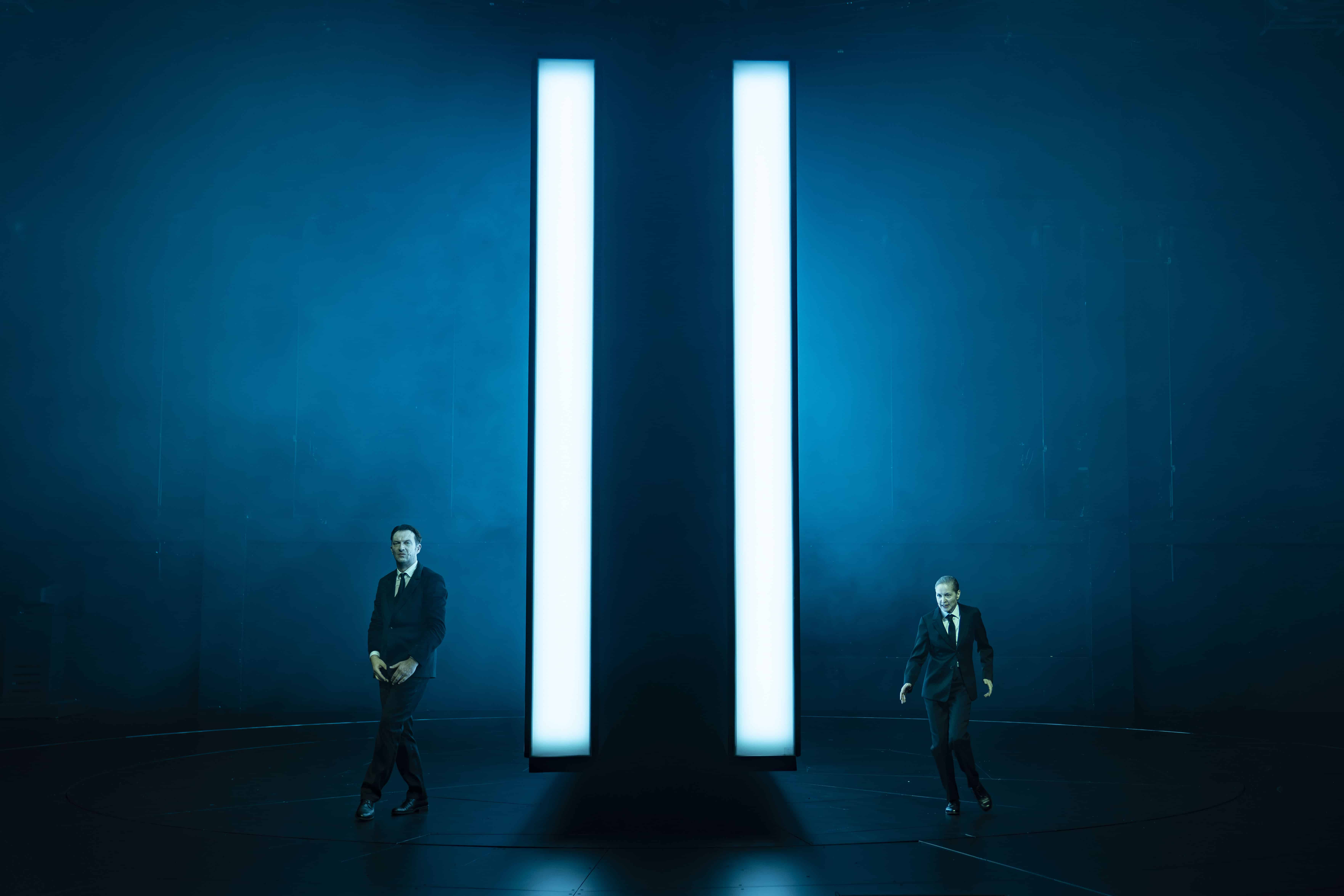
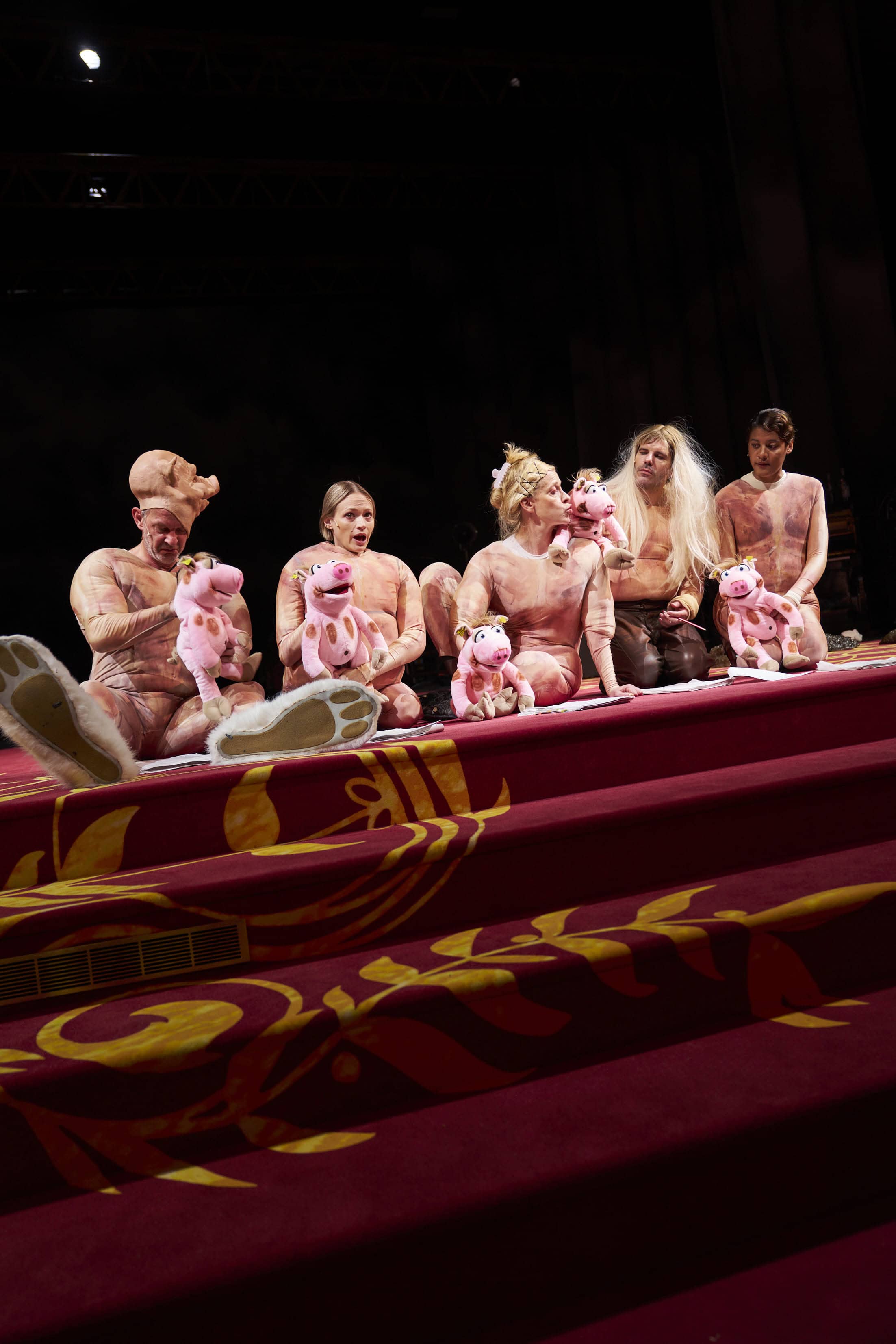
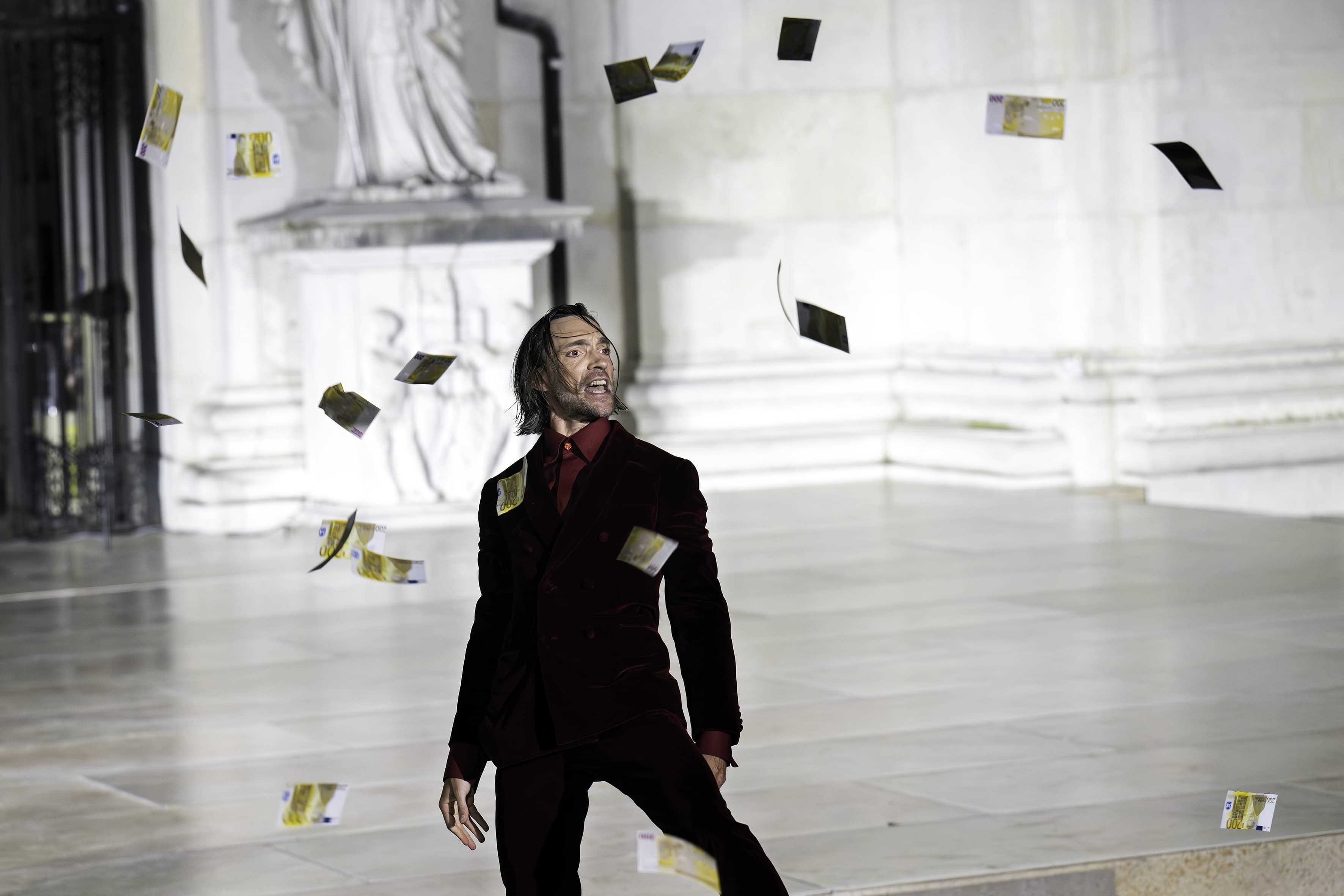
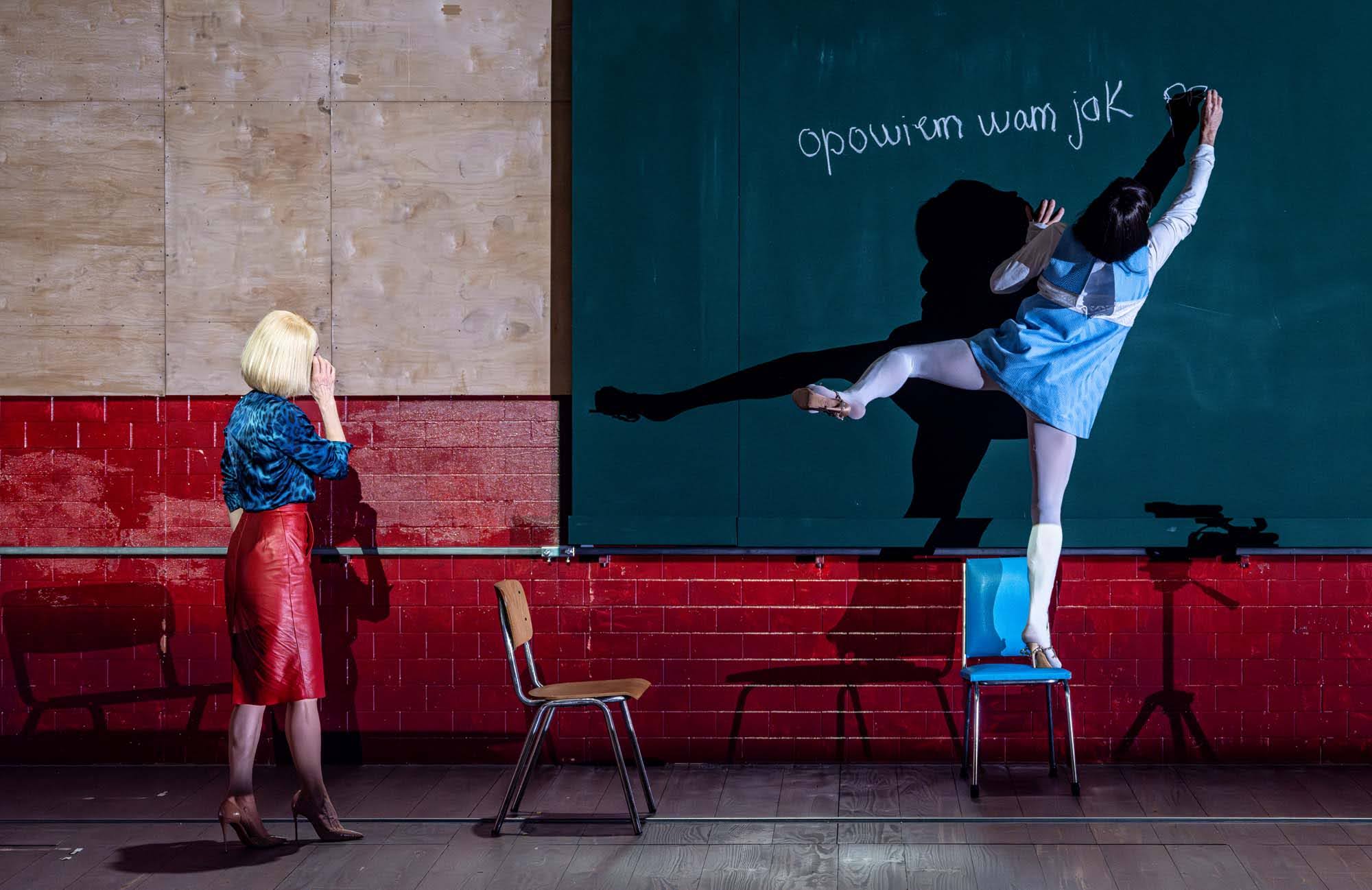
Myth as Eternal Presence. The play was staged by the Polish director Krzysztof Warlikowski, who frequently collaborates with Mouawad. He is known for his work at the intersection of history and the present, connecting historical material with contemporary themes. He repeatedly brings ancient material together with modern conflicts and places questions of guilt and responsibility at the centre. In Salzburg he has hitherto appeared primarily as an opera director, responsible among other things for Electra, Der Idiot and Macbeth; now he makes his theatre debut. The production of the Warsaw Nowy Teatr, whose artistic director Warlikowski is, is shown as a guest performance in Polish with German and English subtitles.
Europa’s Pledge does not aim at a direct commentary on current political events, but exposes a deeper stratum: that “primordial order of killing” which reaches back to mythical times and which Mouawad sees as embedded in the acts of violence of the gods, and which – his thesis runs – continues in the massacres of modernity. The myth is not brought up to date here but read as a structural model that shapes European narratives to this day.
The performance addresses themes such as war, trauma, loss, and death. It includes depictions of various forms of violence, including psychological, physical, and sexual violence. The performance is therefore not recommended for children and young people.