“Like vanilla ice cream with pumpkinseed oil“
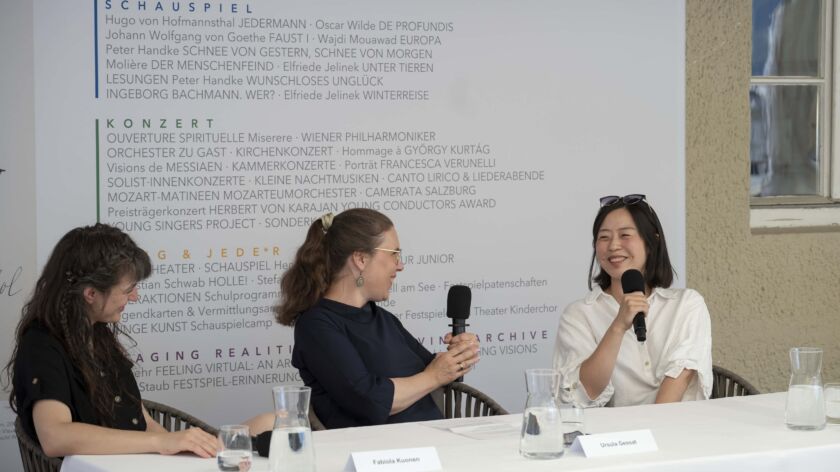
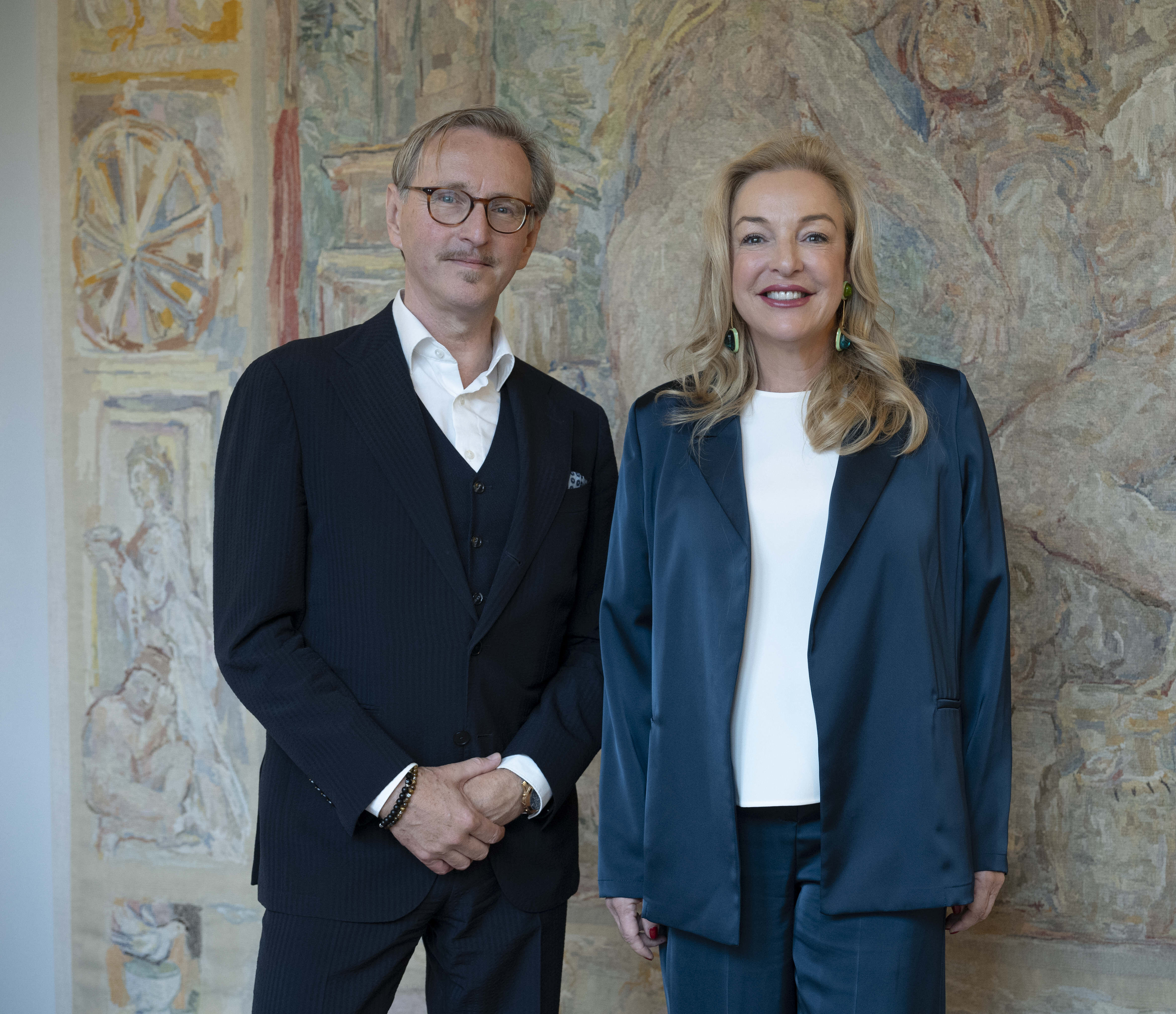
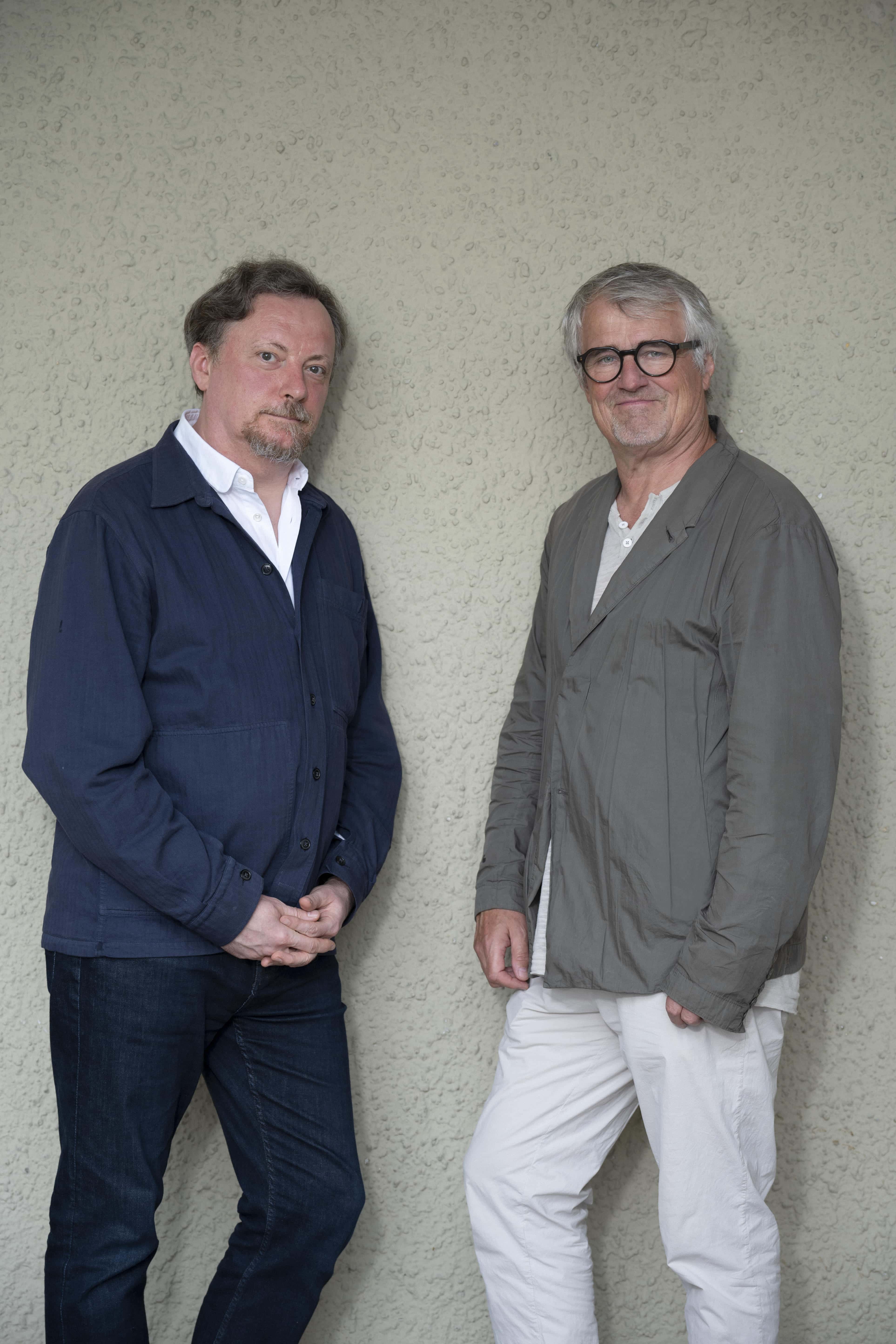
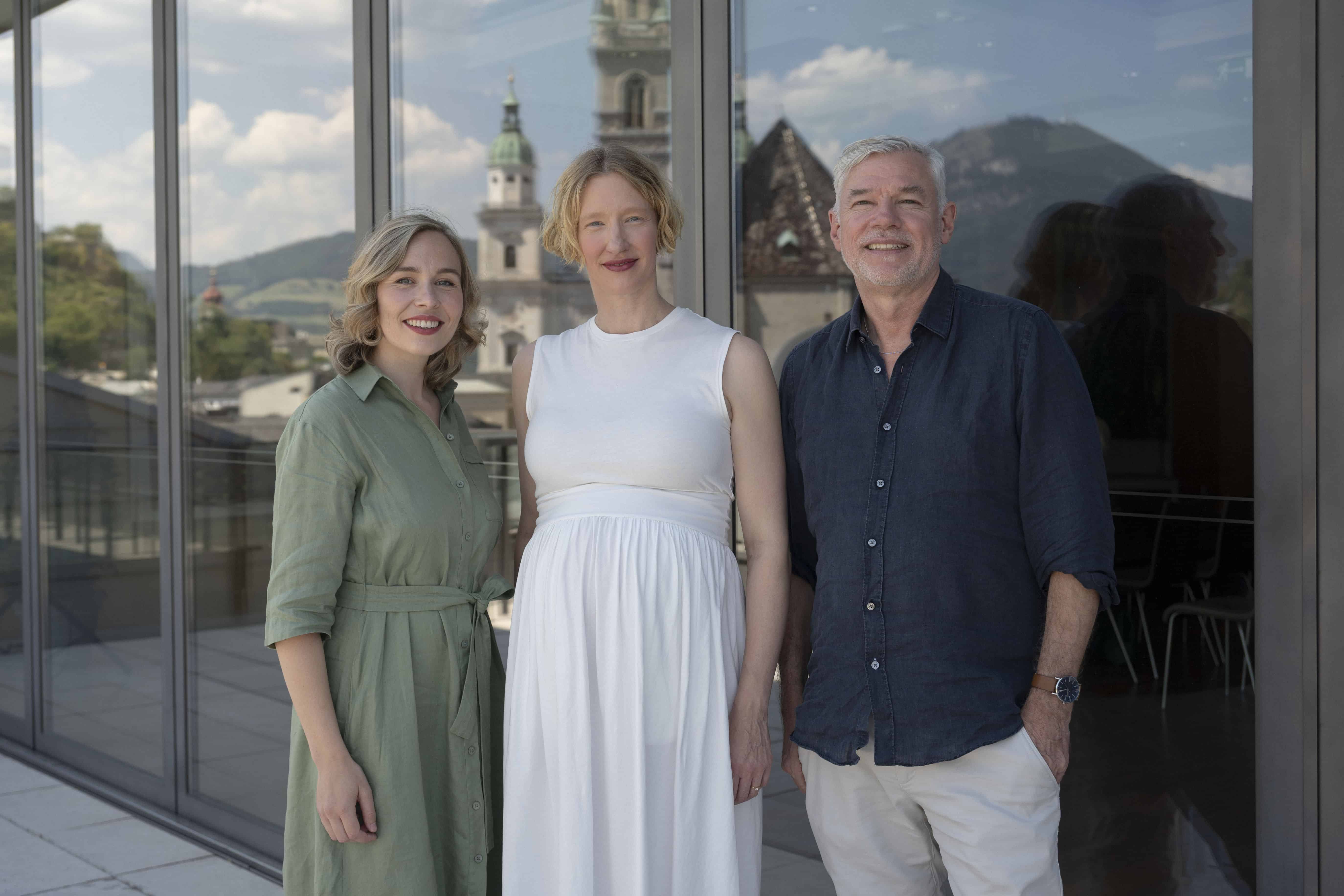
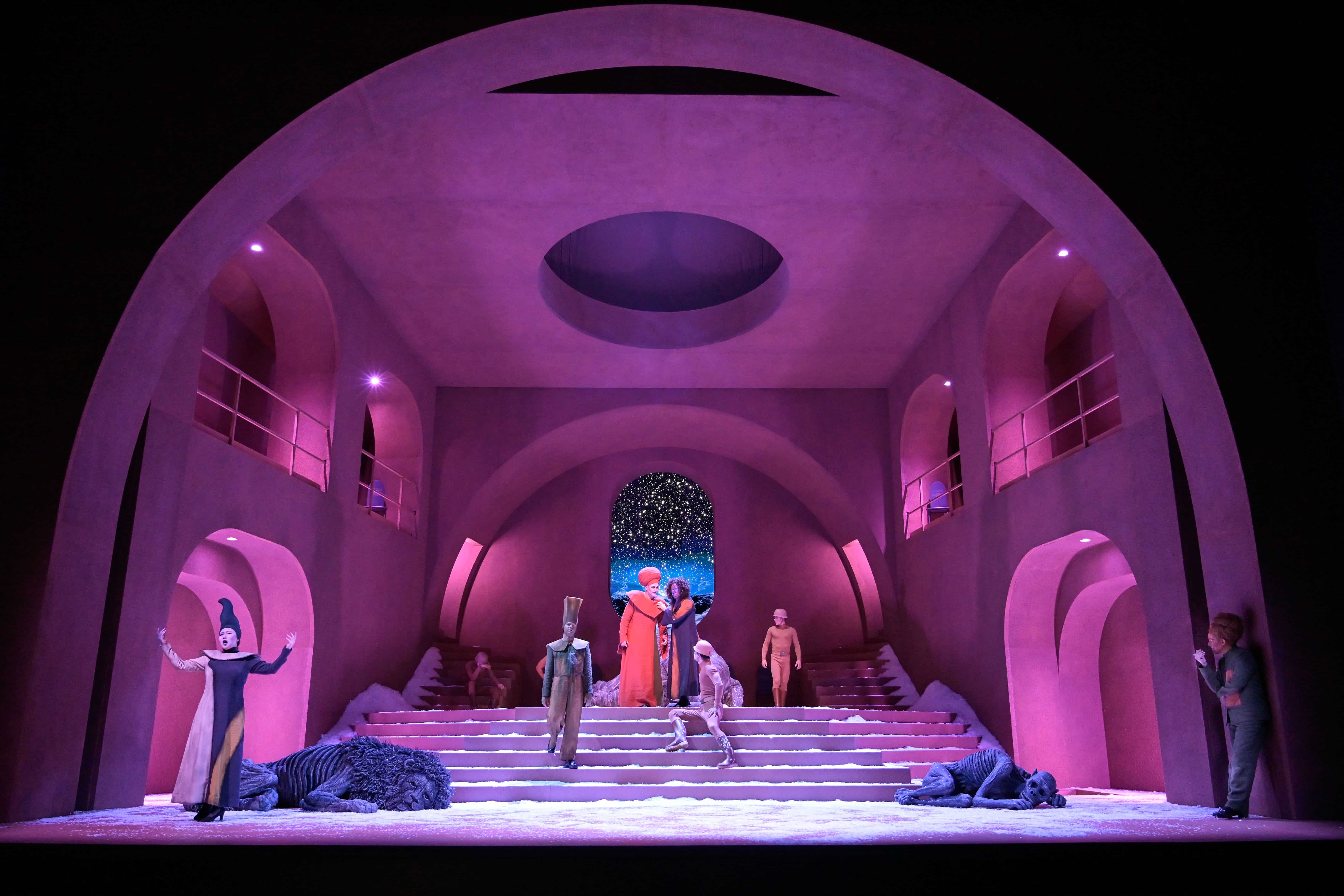
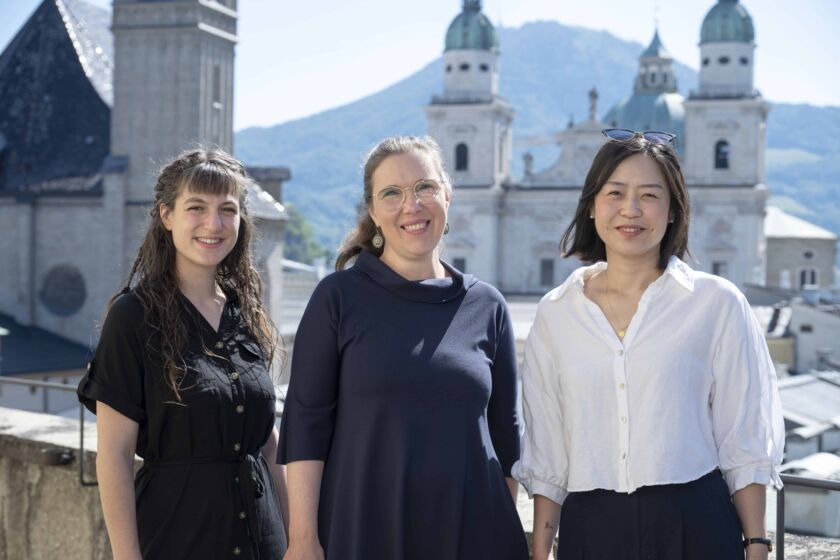
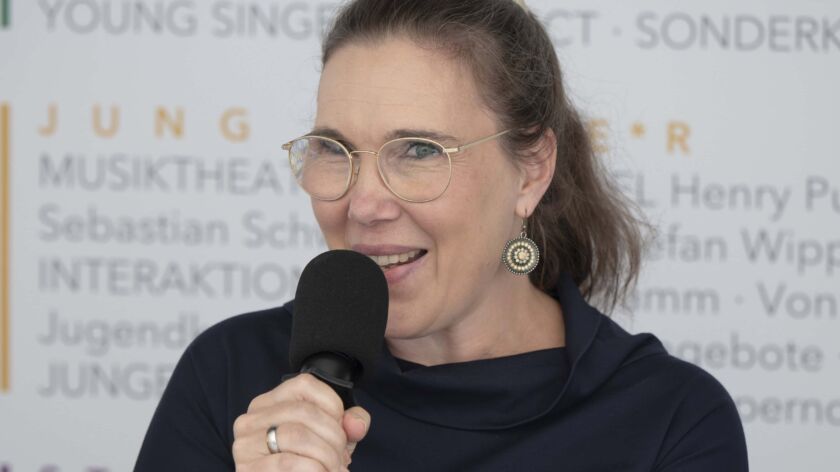
“Everyone knows King Arthur’s name. But how is it for him, bearing the burden of all that heroism on his shoulders at a young age?” This is the question Fabiola Kuonen asked herself when she started studying John Dryden’s text for Henry Purcell’s baroque opera King Arthur – and in her libretto and directing concept, she developed a new web of relations and feelings between the characters. On this basis, Gordon Kampe arranged Purcell’s music and composed new additional sections. Yura Yang conducts this new composition, joining the action on stage with an ensemble of ten players. During their press event with Ursula Gessat, the Festival’s education manager and director of jung & jede*r, the Salzburg Festival’s youth programme, Fabiola Kuonen and Yura Yang offered insights into the staging and music of the new children’s opera King Arthur Junior.
“An emancipatory process of becoming oneself“
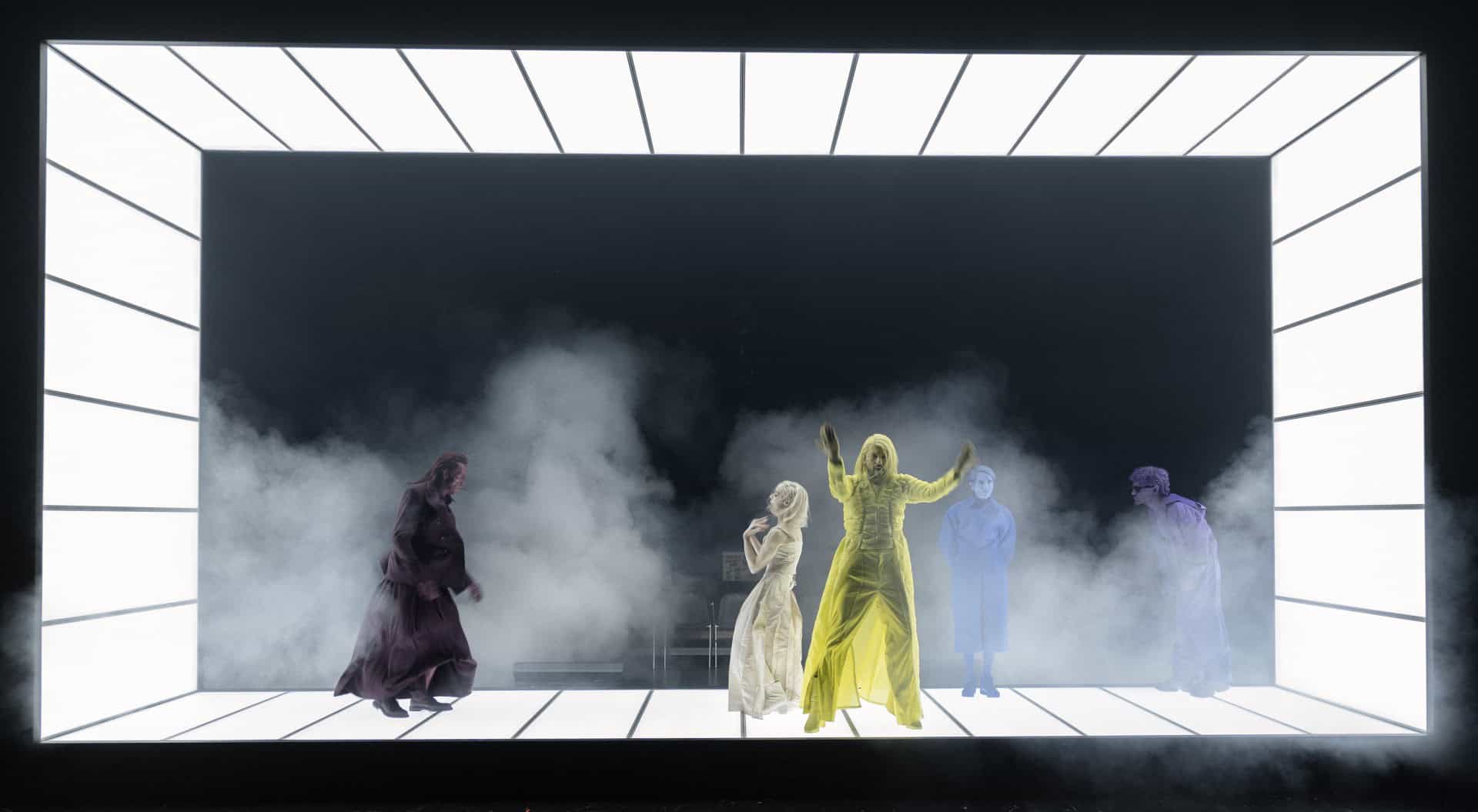
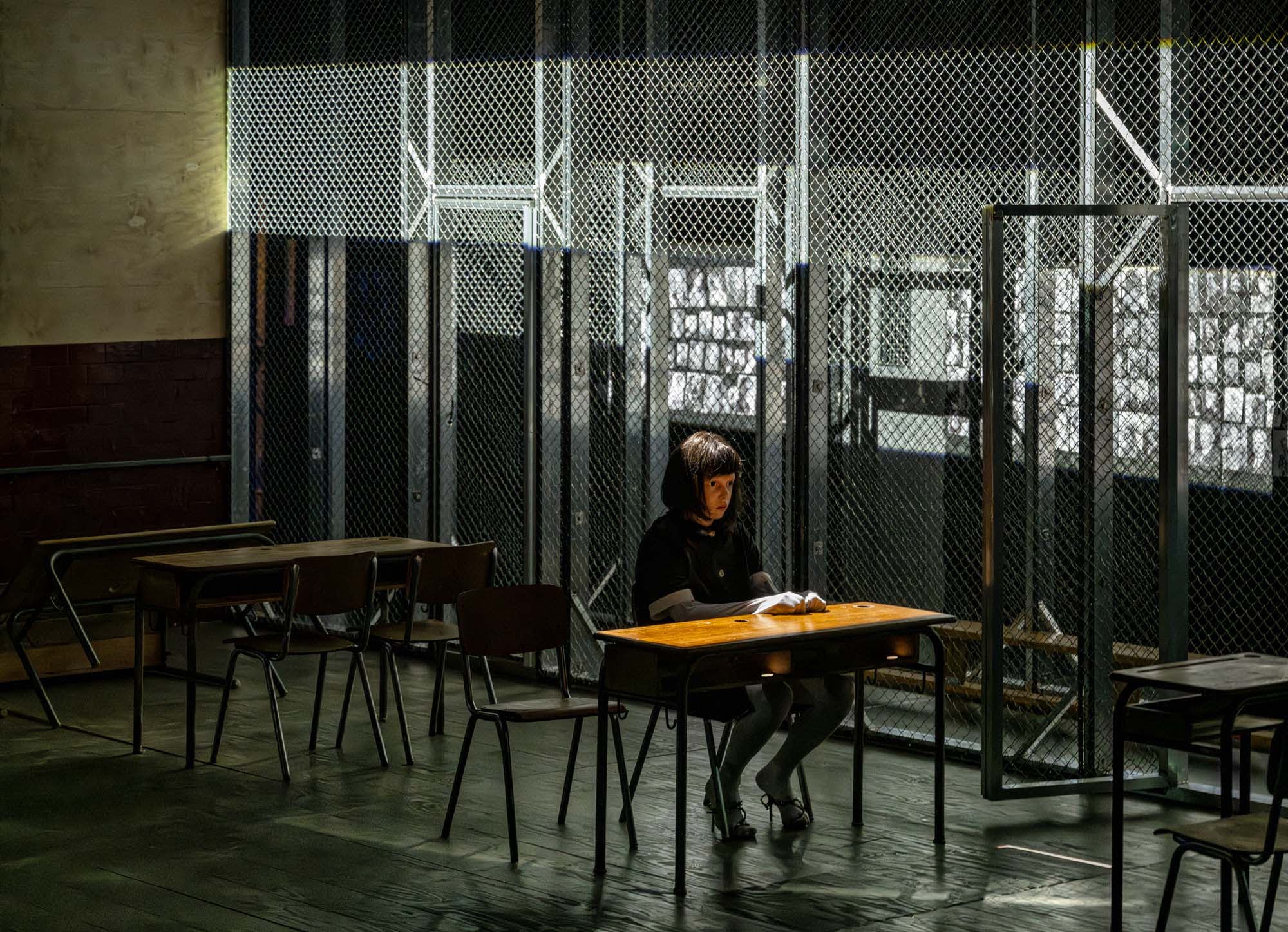
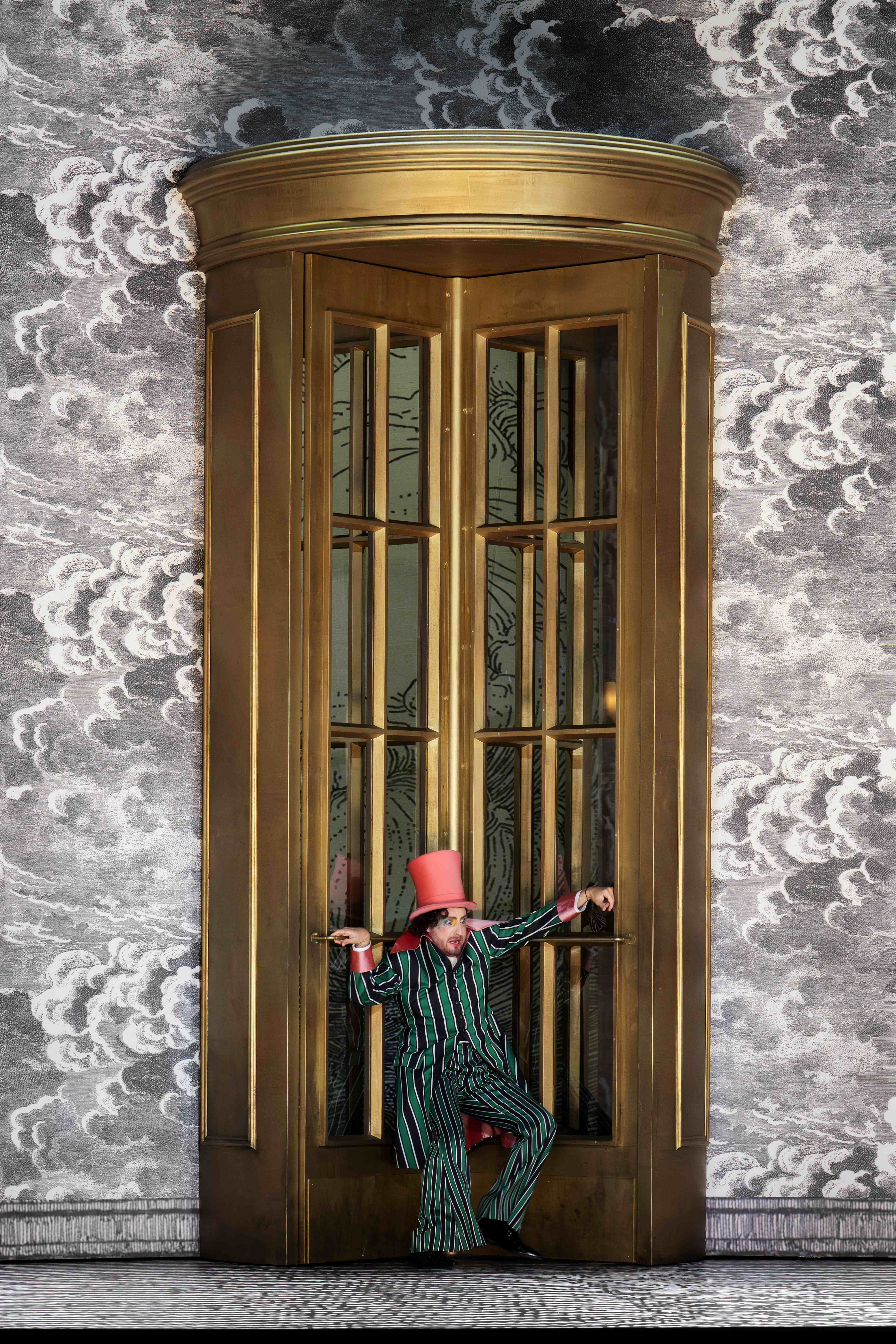
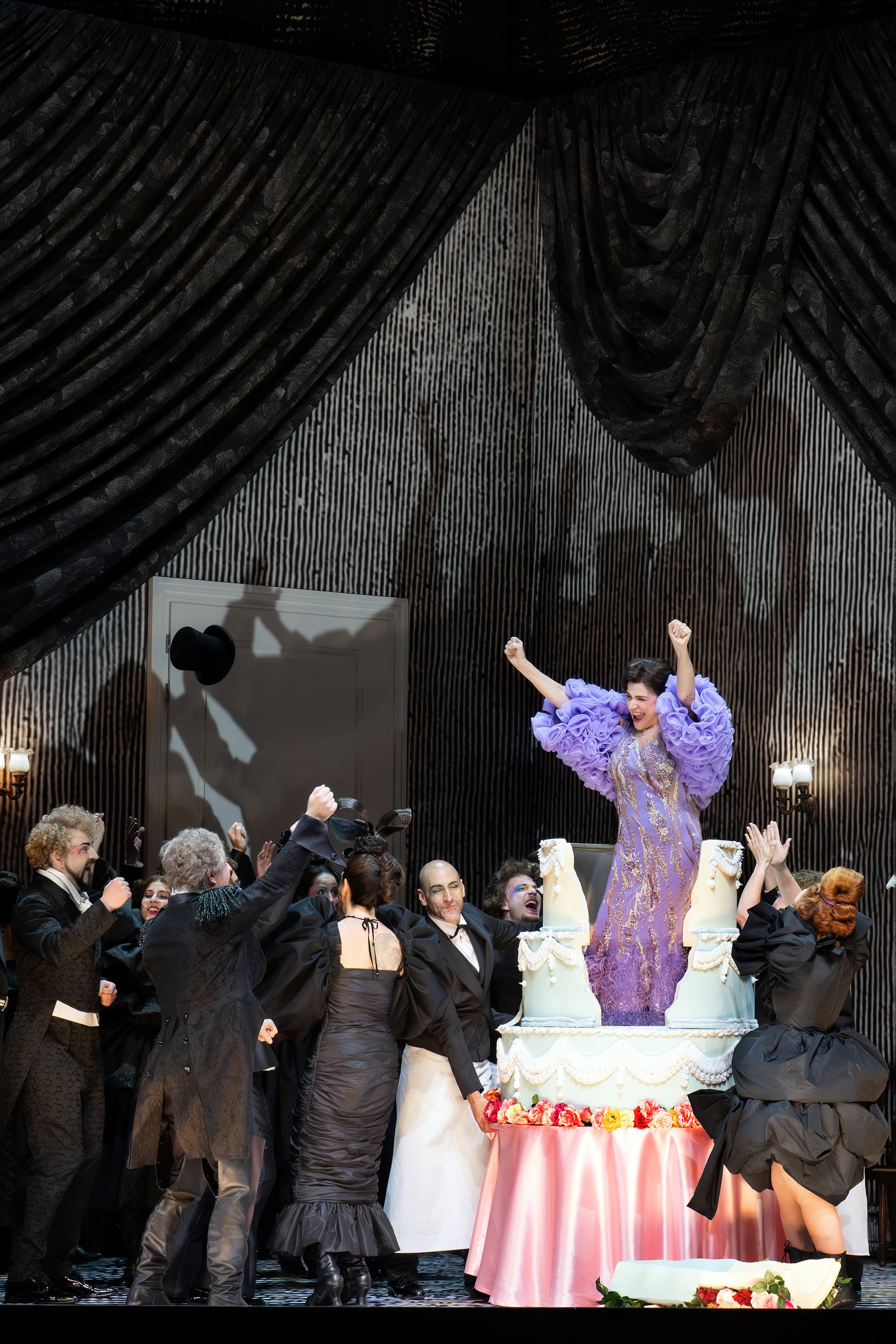
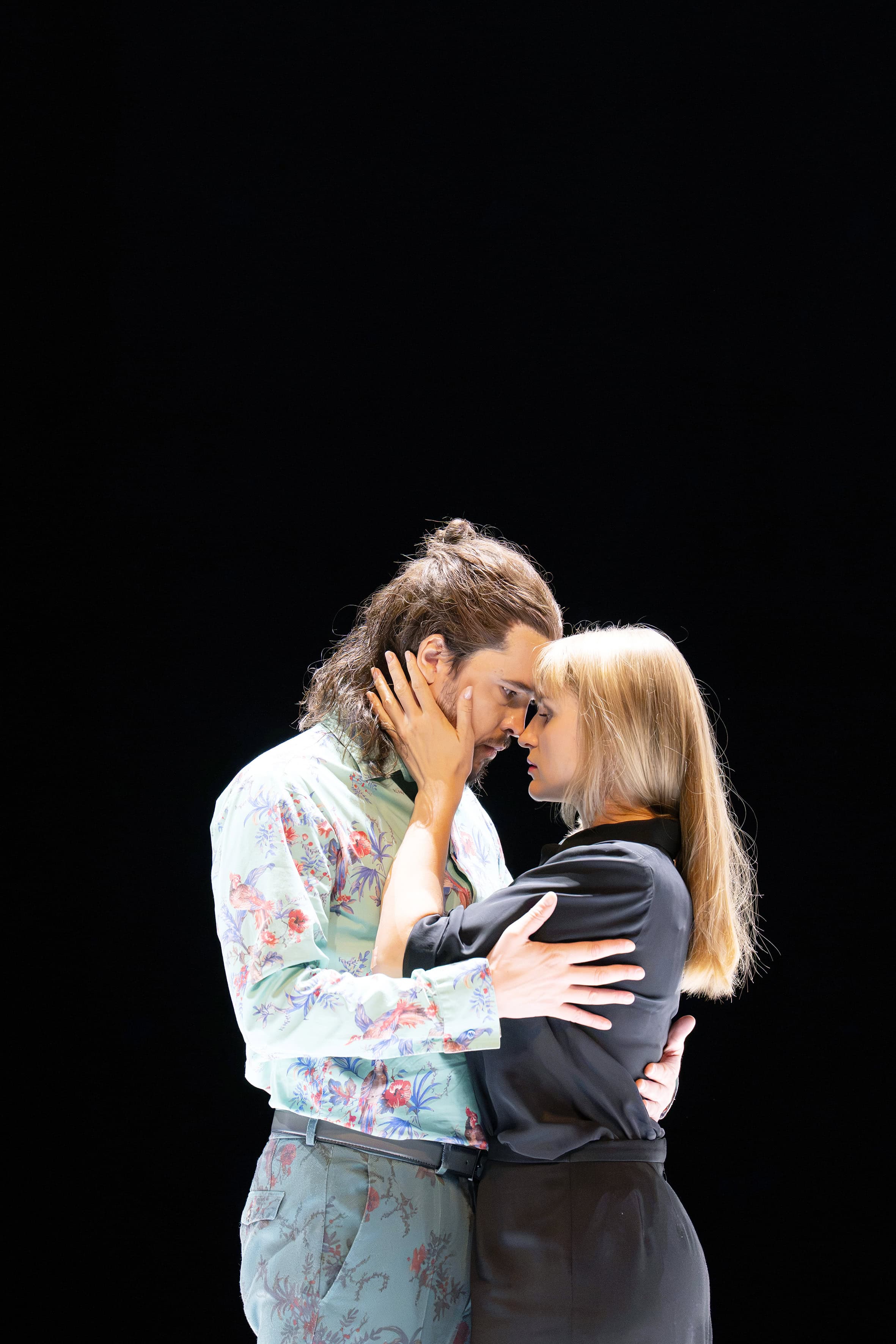
More than a year ago, Ursula Gessat suggested Henry Purcell’s King Arthur as a project for young people. Fabiola Kuonen “was immediately hooked” when she listened to Purcell’s music, moved by the “very gestural way this music speaks to us”. She decided to take John Dryden’s text and expand it for young people, but without “deconstructing” the original. Switching focus from the great hero King Arthur to young Arthur, who is plagued by insecurities and other people’s expectations, is the key aspect of Kuonen’s new rendition, and is also reflected in its title: King Arthur Junior. In her version, the sorcerer Merlin is Arthur’s father, and also the ruler over the enchanted forest – but not for long: he is seeking a successor and convinced that he shares the necessary “blood of courage” with his son, as Fabiola Kuonen describes it. Arthur, however, is still young, full of fear and doubt. His counterpart is Oswaldine – developed from the figure of Oswald, king of the Saxons – who appears in Kuonen’s version as Arthur’s self-confident friend. She wants to “take responsibility, and most of all, she wants to be seen”, but has to confront the injustice that her talents are not even taken into consideration. Instead of the territorial war in John Dryden’s original version, here a competitive conflict about succeeding the ruler of the enchanted forest ensues, in which Arthur becomes a pawn caught between rivalling factions. Emmeline’s character also undergoes a transformation: she is “not merely an acting role, but a blind character who regains her sight throughout the piece”. Kuonen imagines the “specific process of regaining vision” as an “emancipatory process of becoming oneself”, and she implements it by using a female puppeteer. “We are very fortunate that this medium has given us a way to translate this motif of ‘I am a blank canvas for projection’ or ‘I am different’.” Fabiola Kuonen reveals: “We were motivated by the basic notion that competition makes us lonely, and that liberating ourselves from these structures might offer a way out.”
A heldentenor without heroism
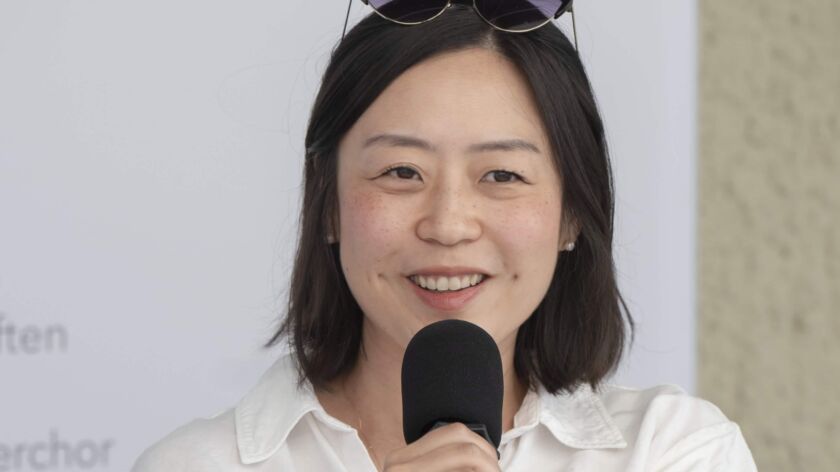
“I’m no hero,“ young Arthur says several times, and yet he has a heldentenor role. This irony is one of the favourite elements not only of Fabiola Kuonen, but also of the conductor Yura Yang. She already conducted Sebastian Schwab’s children’s opera Musketiere! at the Salzburg Festival in 2025 and is enthusiastic about the “amount of support the Salzburg Festival offers for a children’s piece, which is the most important thing for our next generation. I am glad that we have this opportunity, this stage, this piece and these people.” Gordon Kampe’s reworking of Henry Purcell’s baroque opera includes arrangements of the original, but also newly-composed transitions and sections: “It’s not a world premiere in the sense of a completely new composition. We have two composers on stage,“ Ursula Gessat says. Yura Yang uses the following image to describe this combination: “It’s like
vanilla ice cream with pumpkinseed oil: two very different things that mix well. With his ideas of sound and his concept, Kampe created his own compositional language.” Fabiola Kuonen asserts that both composers have a fondness for “big gestures, as well as an expressive musical language, offering lots of material for staging the piece.”
Yura Yang is very curious to find out what the tenpiece instrumental ensemble will ultimately sound like: “We have a flute, a clarinet, a horn and a trumpet – not a widely-used combination. Additional sound effects come from a harp whose strings are played with wooden honey spoons, and from a waterphone.” For her, interpreting baroque and contemporary music within one work is a special experience, especially since “we are not articulating Henry Purcell as if it’s ancient music”. Kuonen and Yang both praise the production’s singers: “The vocal parts in this opera are not simple at all. I admire how these young people have learned their roles, using only a MIDI file,” Yura Yang says. The vocalists are participants of this year’s Young Singers Project.
“Enabling encounters“
Although King Arthur Junior is billed as a children’s opera, it has something to offer all generations. “I love devising multi-layered stories. The older you are and the more life experience you bring to it, the more you might understand other aspects, with a different grasp than the youngest viewers. You don’t have to have understood everything, down to the last Easter egg, in King Arthur Junior to comprehend the whole story; as an adult, one has a different take on these topics than the children,” the director and librettist Fabiola Kuonen says. She examines questions such as “Do I really have to do everything demanded of me?” or “How far am I able to express myself and my views in this very moment?” She explains: “It’s not about encouraging everyone to be their ‘true self’, but about enabling a shared experience, the real encounter that results from daring to be open and honest.”
Ursula Gessat adds: “Maybe the parents will also get something out of it, asking themselves: what do I project onto my own child?” On 26 July, King Arthur Junior premieres at the Schauspielhaus Salzburg. Gessat points out the “close proximity“ between stage and audience at this venue: “Singing and music take place just a metre and a half from you. You can feel the vibrations of the voice and see the drops of sweat on this singer’s forehead.” Director Fabiola Kuonen describes how the immediacy of the encounter taking place within the theatre’s auditorium is amplified by the music: “Music is such an affective state, you cannot escape it.” Yura Yang underlines: “Children have a different approach, they are more open-minded: they might dance along to baroque music.” Kuonen might not describe King Arthur Junior as an “interactive piece in the sense that the children are invited onto the stage”, but the boundaries of the enchanted forest become increasingly blurred, until it encompasses the auditorium as the opera progresses.