Der Prinz von Homburg
Hans Werner Henze
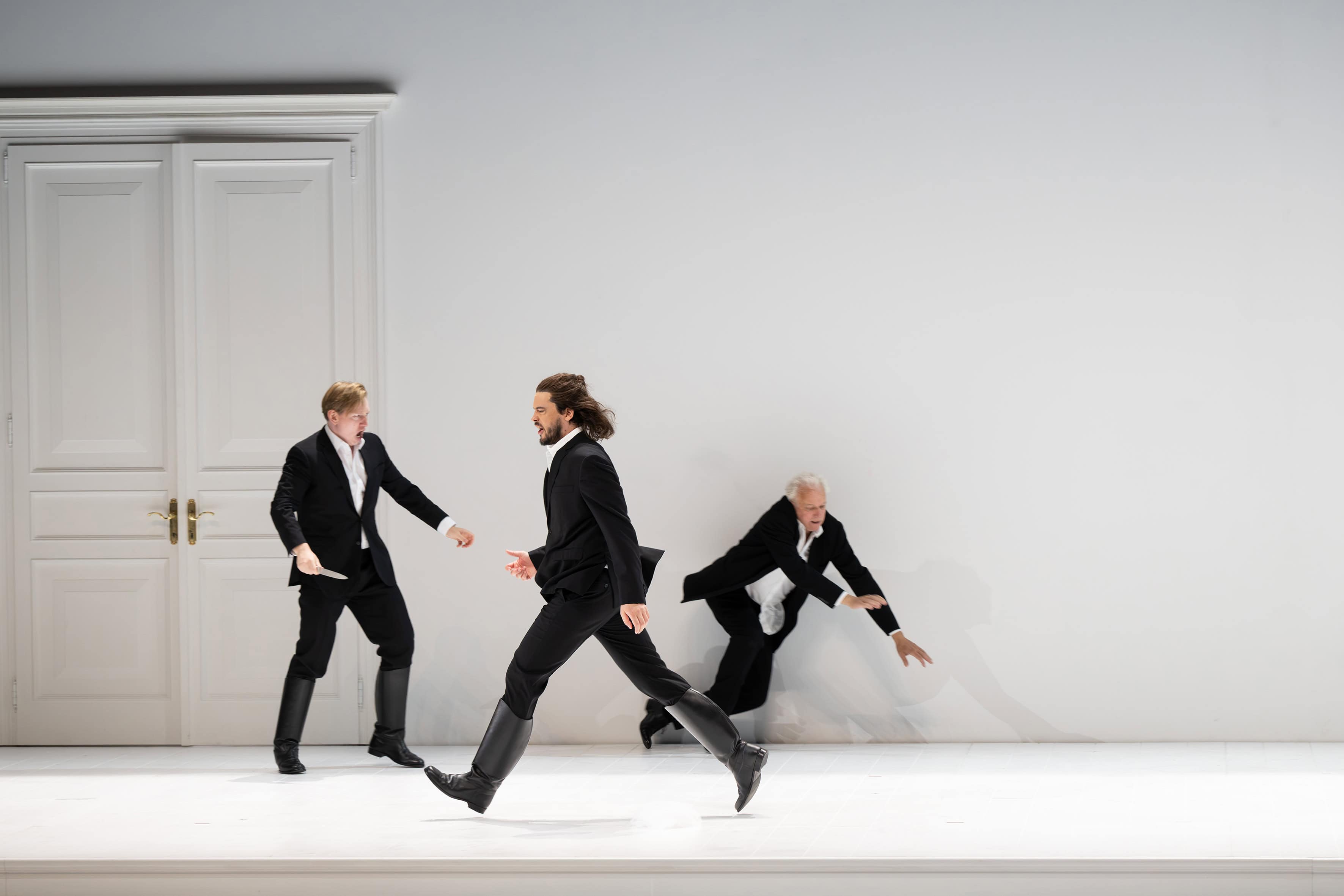
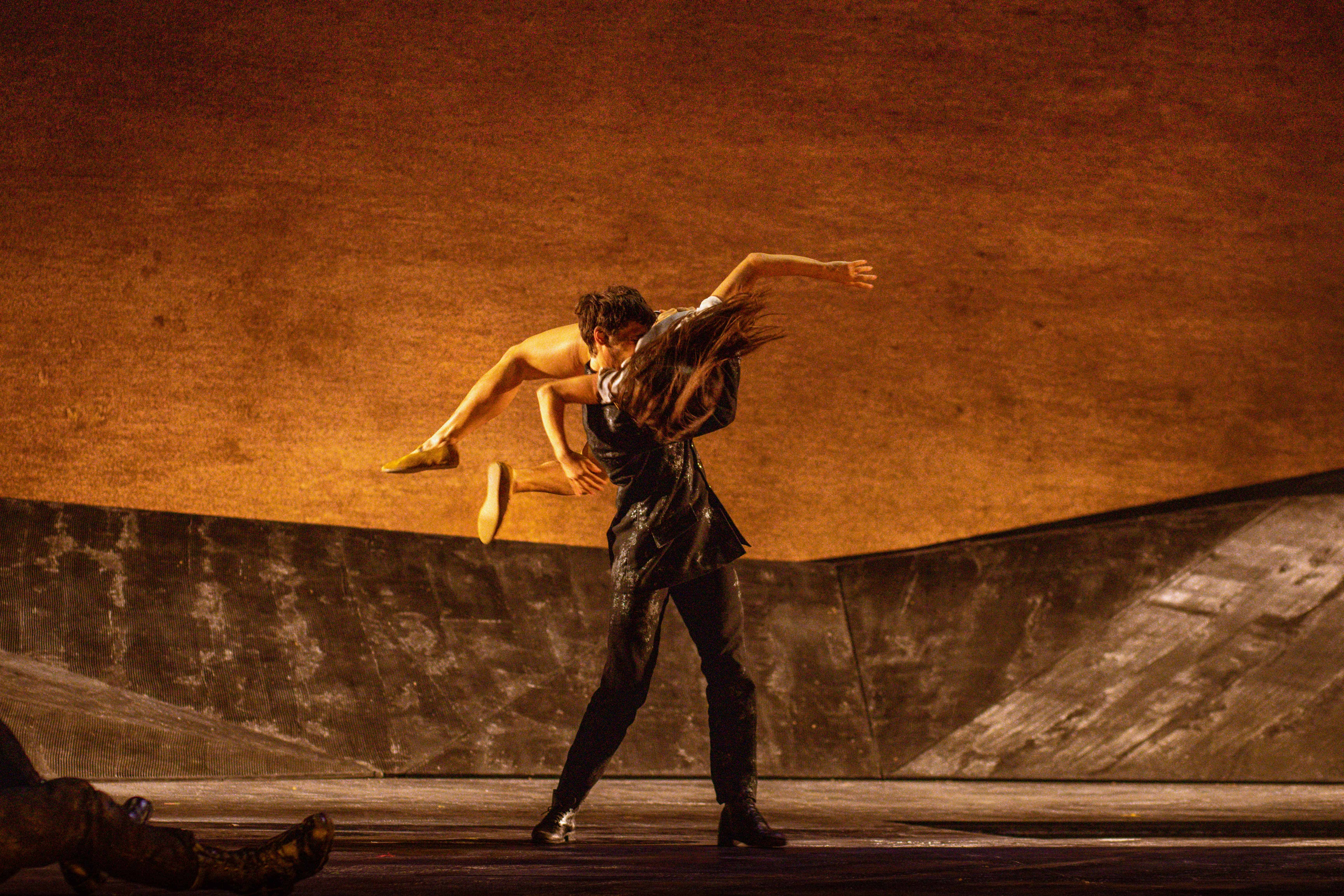
Prince Friedrich of Homburg, serving as a general under the Elector Friedrich Wilhelm of Brandenburg, is a somnambulist and dreamer. Incapable of telling imagination from reality, he disobeys his orders in battle, and is brought before a military tribunal …
Hans Werner Henze’s opera Der Prinz von Homburg, premiered in Hamburg in 1960, explores the timeless conflict between duty and feeling. Its conclusion, so typical for the composer’s oeuvre, is that humanity and love trump any political calculation.
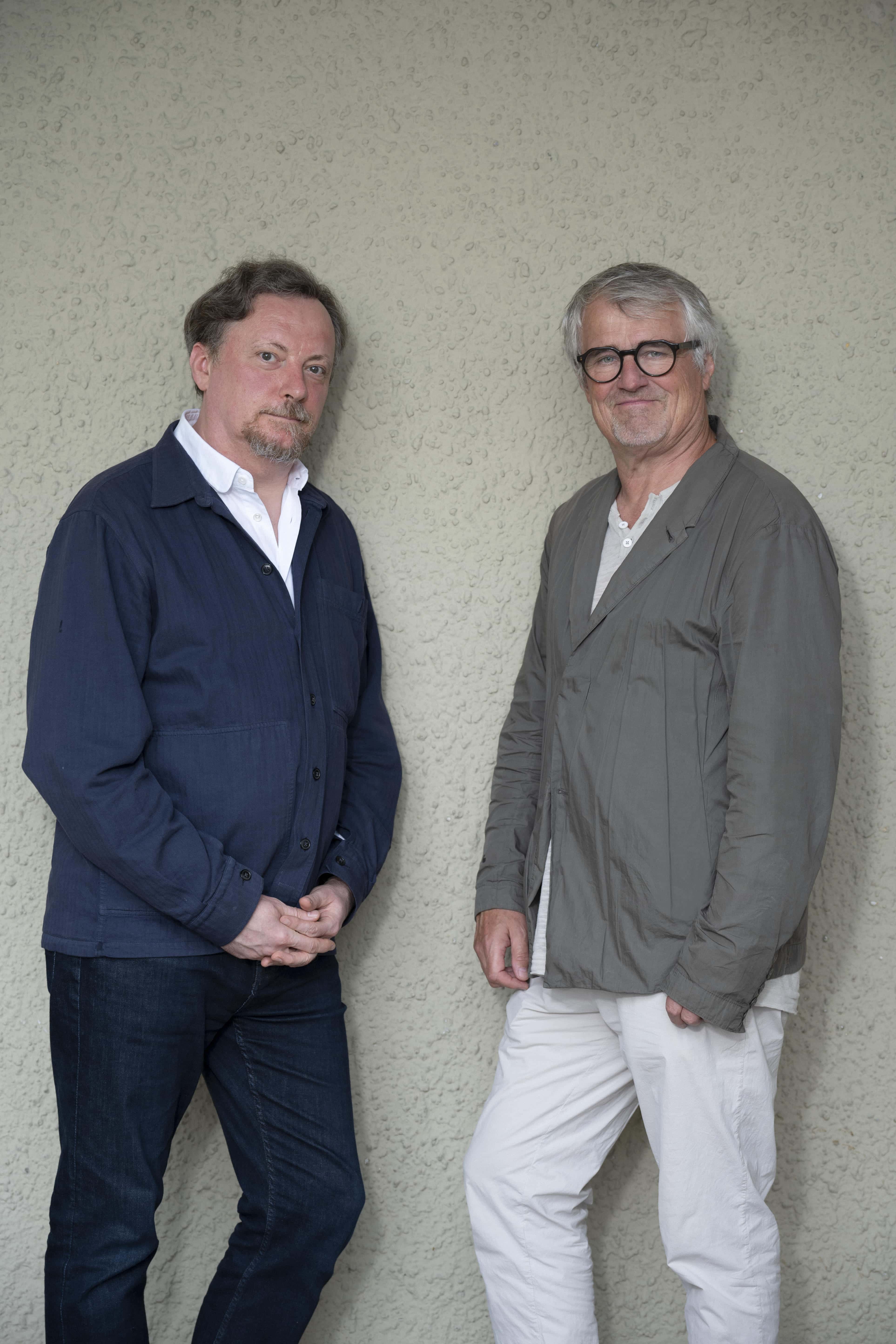
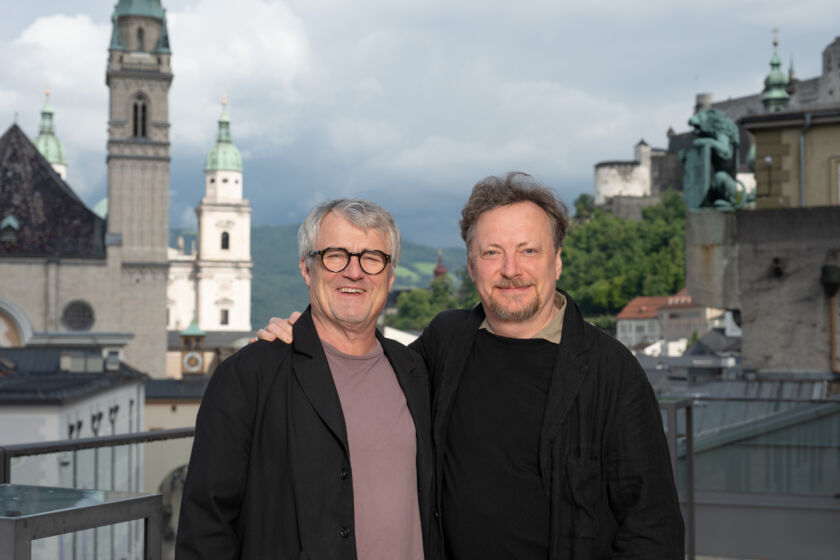
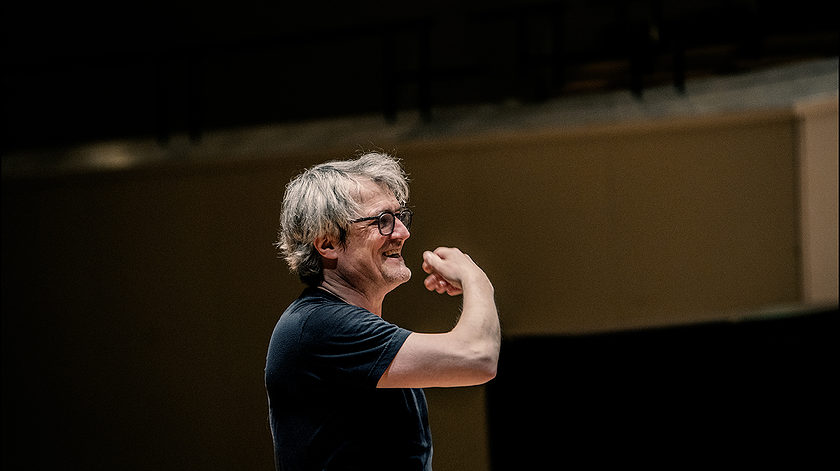
Conductor Ingo Metzmacher and baritone Georg Nigl, both passionate advocates of New Music, bring this “late youthful work” (as Henze himself called it) to Salzburg for the first time – it will be performed in concert on 20 August. Henze was always very politically active as an artist – and yet, as Georg Nigl emphasizes, his goal was never to provoke with his music, but to “touch people’s hearts”.
The great Austrian writer Ingeborg Bachmann had taken Heinrich von Kleist’s play and turned it into a cohesive libretto, thereby “constructing shells for recitatives, arias and ensembles”, as Henze described it. Both his adherence to traditional forms and the emotional directness of his music repeatedly earned the composer the malice of the avant-garde. Henze himself, however, who spent most of his life in Italy, saw no contradiction between a sense of tradition and a modern musical idiom: “The angelic melancholy of Bellini, the sparkling panache of Rossini, the weighty ardour of Donizetti, those were things that had captured my mind for years,” he confessed in 1960 – later adding that “the influence of Verdi the dramaturge” was evident everywhere in Der Prinz von Homburg.
First published in the Festival insert of Salzburger Nachrichten