Ariadne auf Naxos
Richard Strauss
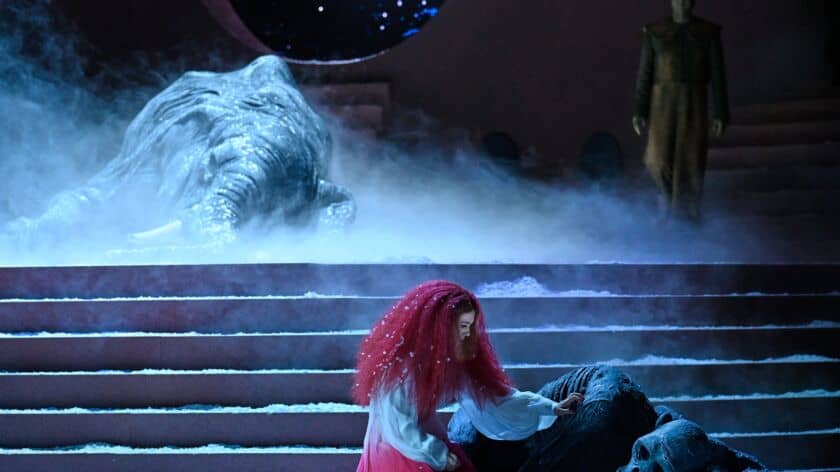
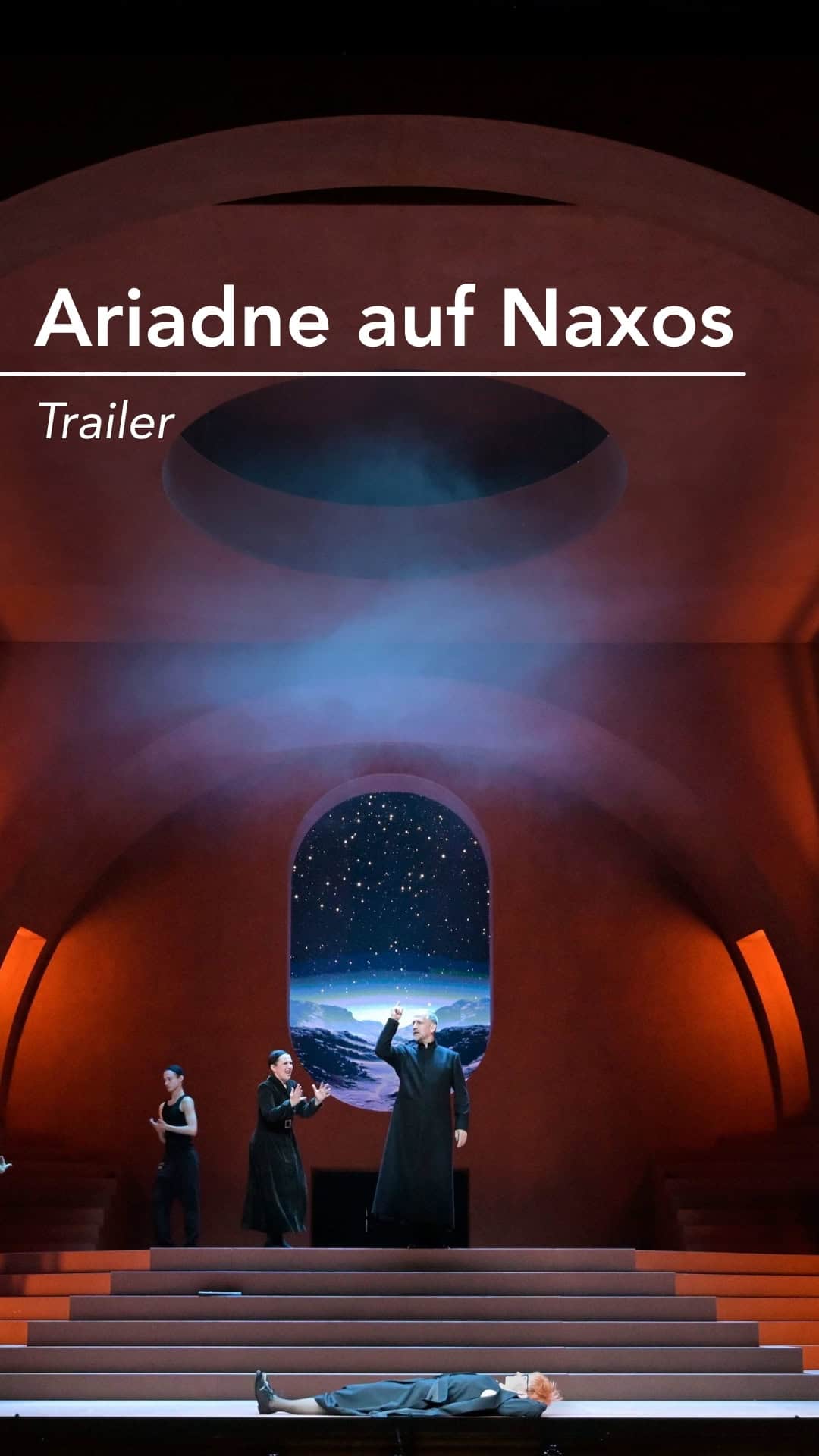
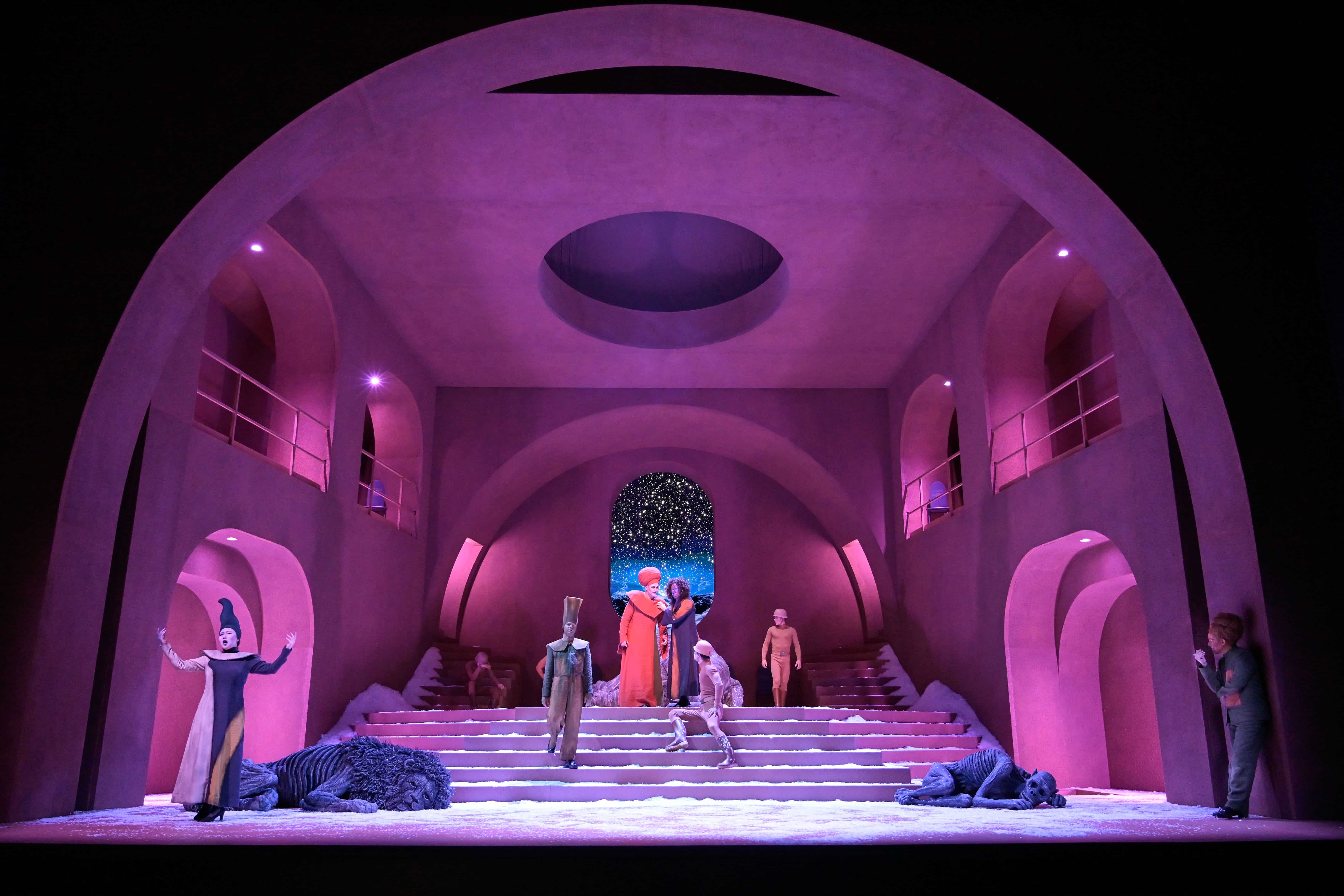
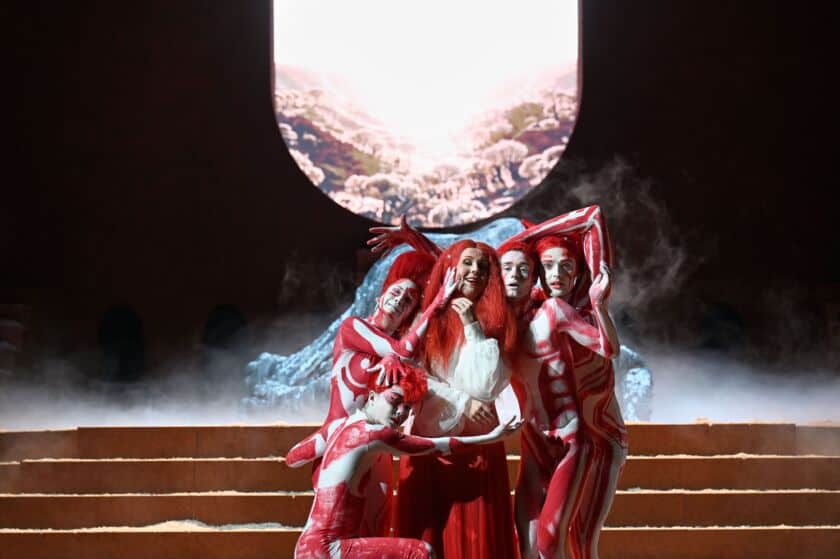
Ariadne auf Naxos in a theatre on Mars, the riches of Viennese decadence lost in space. For his directing debut at the Salzburg Festival, Ersan Mondtag relocates Richard Strauss' opera to the dream world of today's billionaires. Inside a hermetically sealed palace on the red planet, the satirical prologue about boundless vanities and the following mythological opera about love offer a coherent portrayal of our present time. Manfred Honeck conducts this third joint work by Strauss and Hofmannsthal.
The superrich have obviously not become any more likable since Richard Strauss and Hugo von Hofmannsthal first put Ariadne auf Naxos on stage. The “richest man in Vienna”, whose whims keep everyone on their toes In the final version of the opera, first performed in 1916, may never make an appearance in person on stage, but the instructions his arrogant lackeys convey to the musical guests of his glamour party treat these representatives of high culture like insignificant service providers, expected to do his bidding without question. To their patron, the high dramatic art they believe they have been contracted for is a mere entertainment between dessert and fireworks. Bear in mind that in 1916, any fireworks must surely have sounded like howitzers, at least subconsciously.
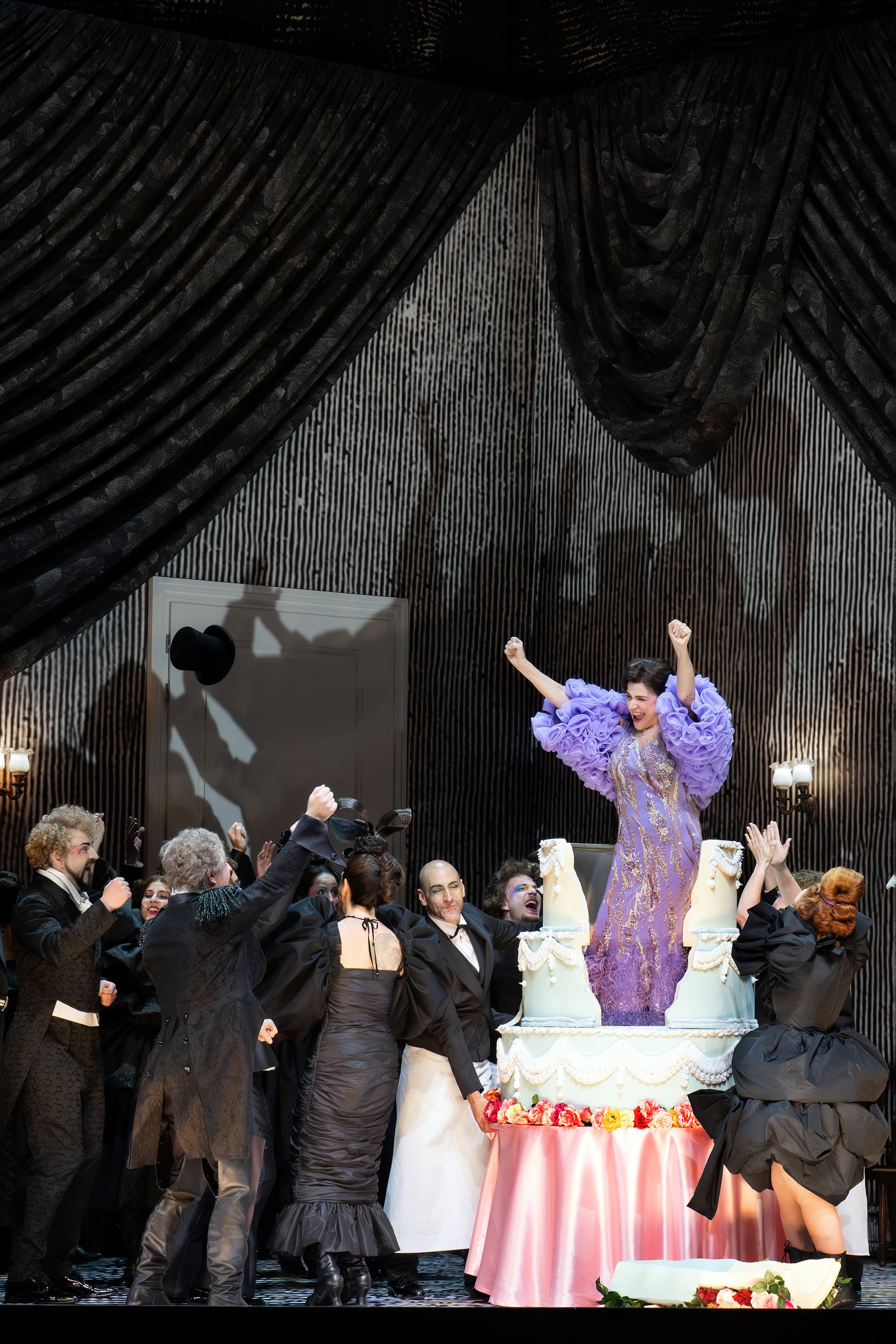
In this double opera combining social satire (in the prologue) and tragedy-like musical theatre (in the following one-act opera), Hofmannsthal delivered a pointed look at people who believe that everything can be bought – by recounting the kowtowing and rebelling of the fee recipients in the first part. Composed as a mordant operetta with the flair of folk theatre, the squabbling amidst the dressing rooms of the palace, where divas and other artistic characters fight tooth and nail for attention and status, shows how corruptible people are when they wish to please the authorities.
Since those days, the superrich themselves have lost any sense of shame regarding their public appearances. The XXL egos of today buy Venice for their wedding or media houses for infinite self-aggrandization, or they plaster their names on concert halls. Within the egotistical behaviour of the new corporate kings, culture is only desirable in the form of open subservience. Its only meaning is contributing to the continuous exaggeration of their vulgar boastfulness.
But how to keep up this ever-increasing exaggeration? If the wishful thinking of the dollar billionaires is to be believed, Ariadne might well land on the moon in ten years’ time. The “barren island” of Naxos, where both myth and opera have the Cretan princess woo Bacchus, the god of wine, has become, in the vision of these capitalist skywalkers, a planet without water which is located (at least) 54 million kilometres from Earth: Mars as a private Mount Olympus for billionaires, whither they abduct the arts, just in case they get bored amidst the red stone desert.
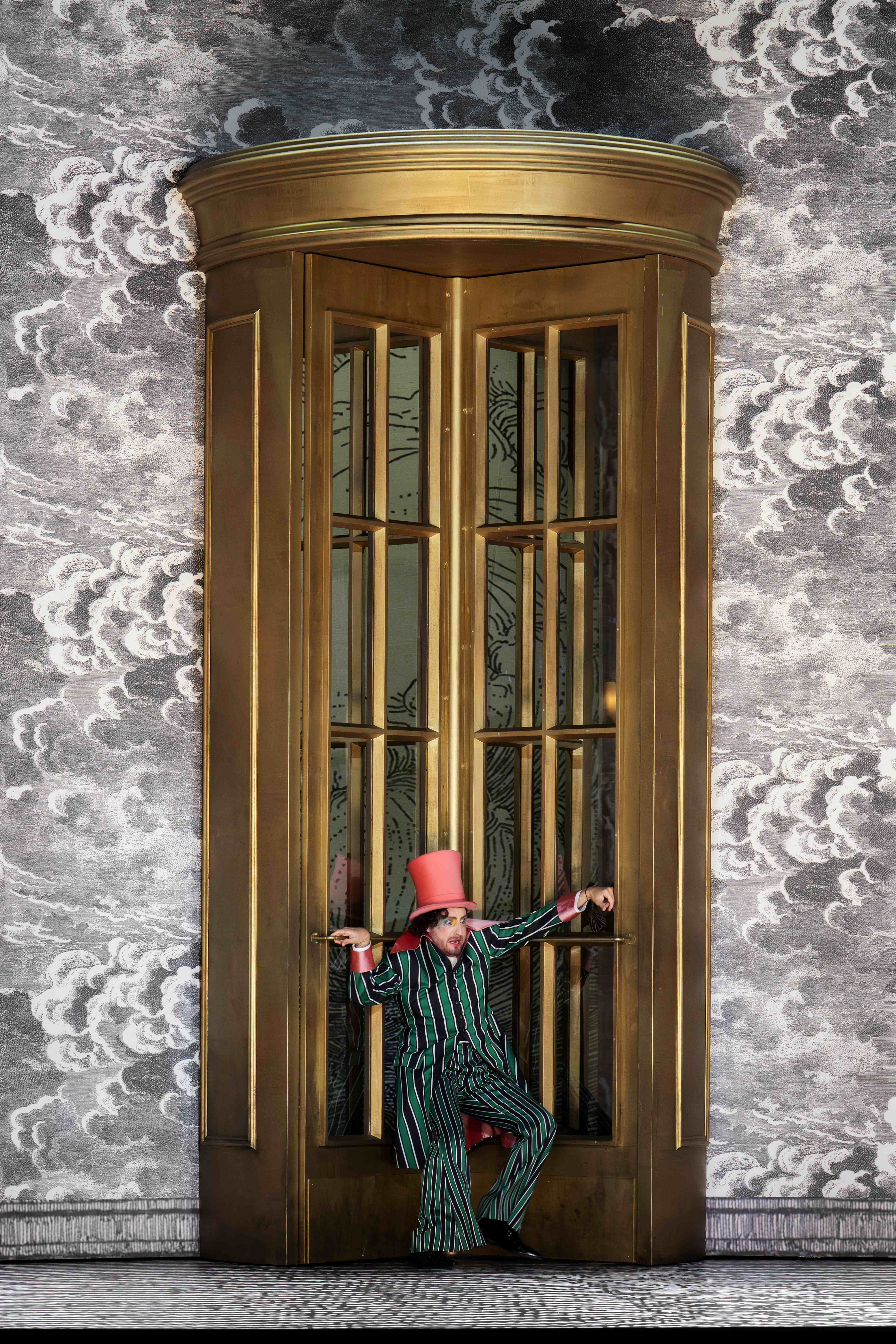
Ersan Mondtag’s new production of Strauss’ opera offers a critical preview of this event. Inside a hermetically sealed oracle of the future, with a panoramic view of the deadly cold surface of Mars, the pretend cultivation of the nouveaux riches unfolds as sumptuously as in earlier eras of decadent decay – such as Vienna at the time of the opera’s premiere, coinciding with the great European slaughterhouse of World War I, or the court of the Sun King, where Molière had presented the very first version of the story as a ballet-comedy entitled Le Bourgeois gentilhomme in 1670. Indeed, the first version of Ariadne auf Naxos had been tacked onto Molière’s caustic comedy about social climbers. This combination, however, first performed in Stuttgart in 1912, proved a total flop.
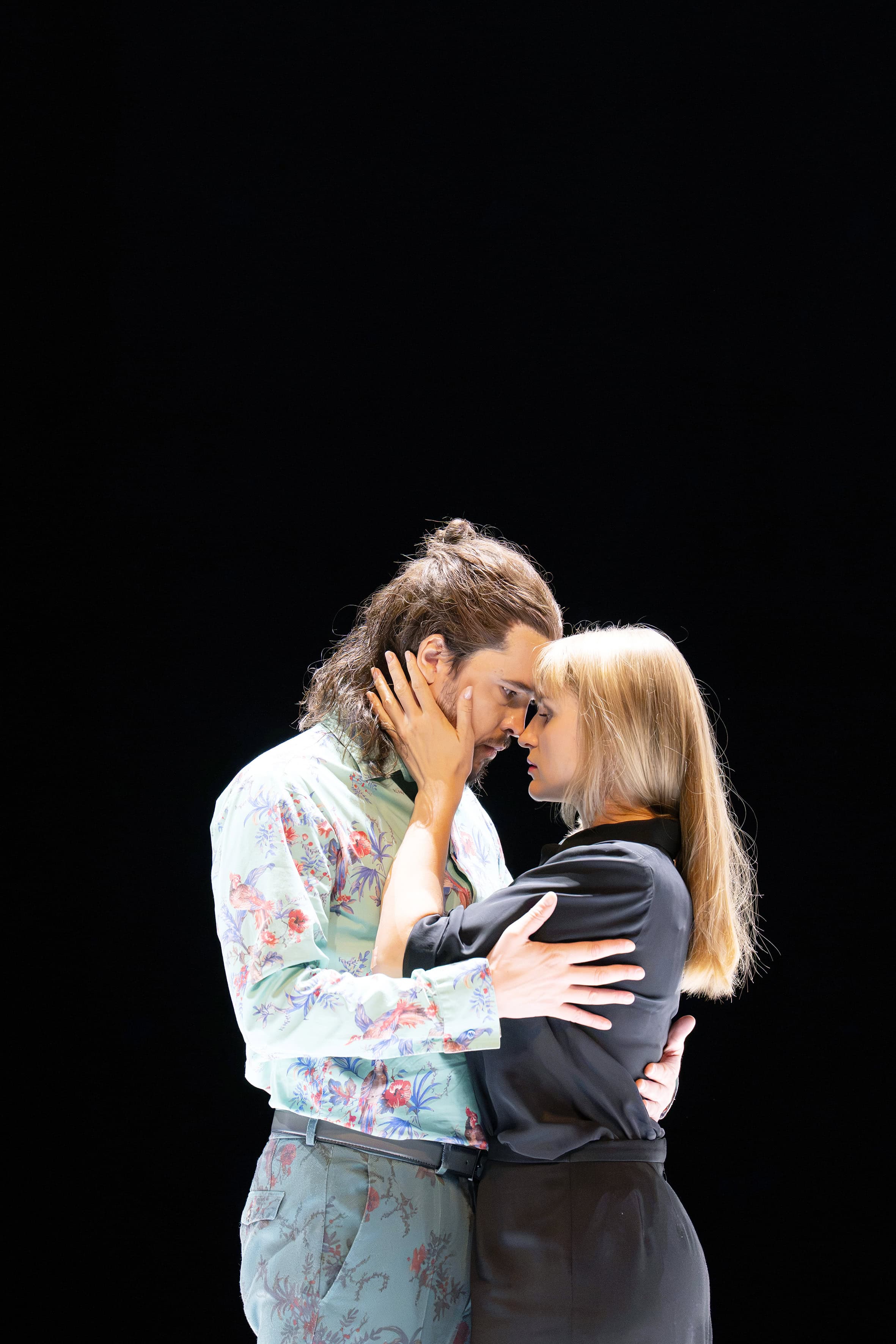
It’s easy to imagine how the isolated elite might stage its pleasure on a barren planet in the near future, a diversion that is mostly bigoted and oppressive. After all, even the parties of superficially cool corporate titans are organized in the spirit of coercion. Within an atmosphere of spectacle and imprisonment in space, truly human qualities are suddenly thrown into high relief, as demonstrated by this bizarre operatic mix of tragedy and opera buffa which the richest man in the piece has ordered. Lovelorn Ariadne and vivacious Zerbinetta meet in the titular part of the opera as heroines of uncorrupted feelings. After the hysterical satire about cultureless rich types, in this encounter, Strauss unleashes a dialogue which touchingly embodies two different outlooks on life. After the cheerful, vivacious parlando of the prologue, Strauss composed the festive “opera performance” in a classical style, quoting various genres and predecessors and celebrating the victory of high culture. In this transition from parody to personality, we witness why money-making and esprit are two very different matters. And only one of them is likeable.
Till Briegleb
First published in the Festival insert of Salzburger Nachrichten