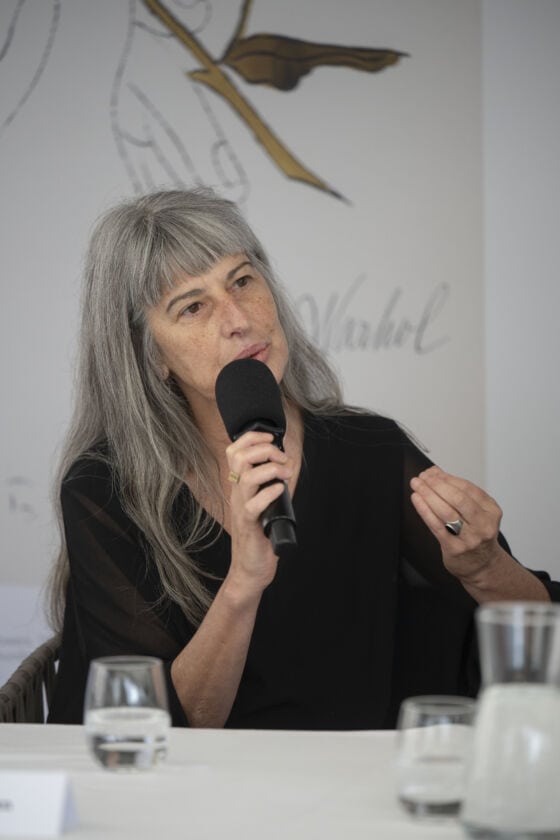
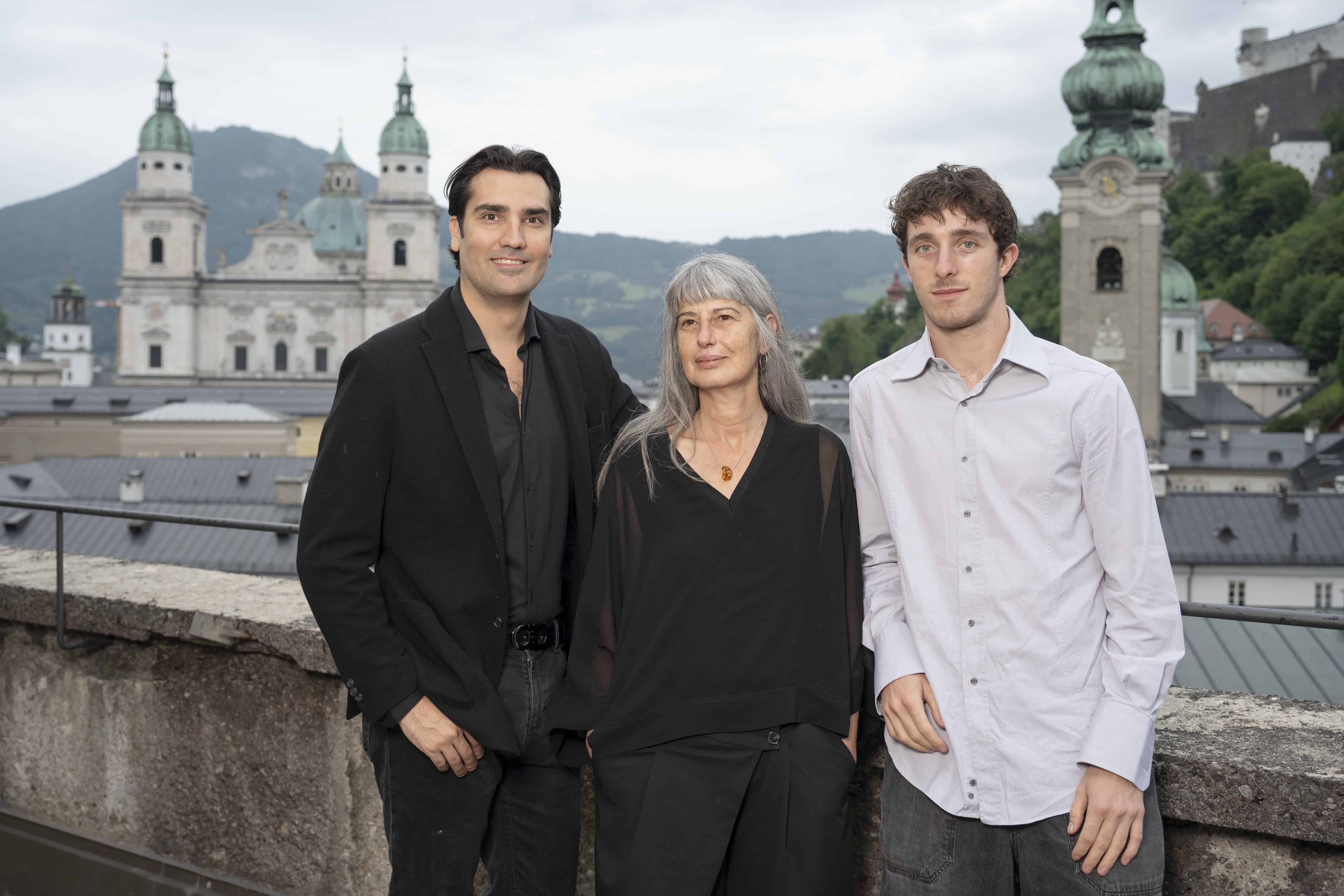
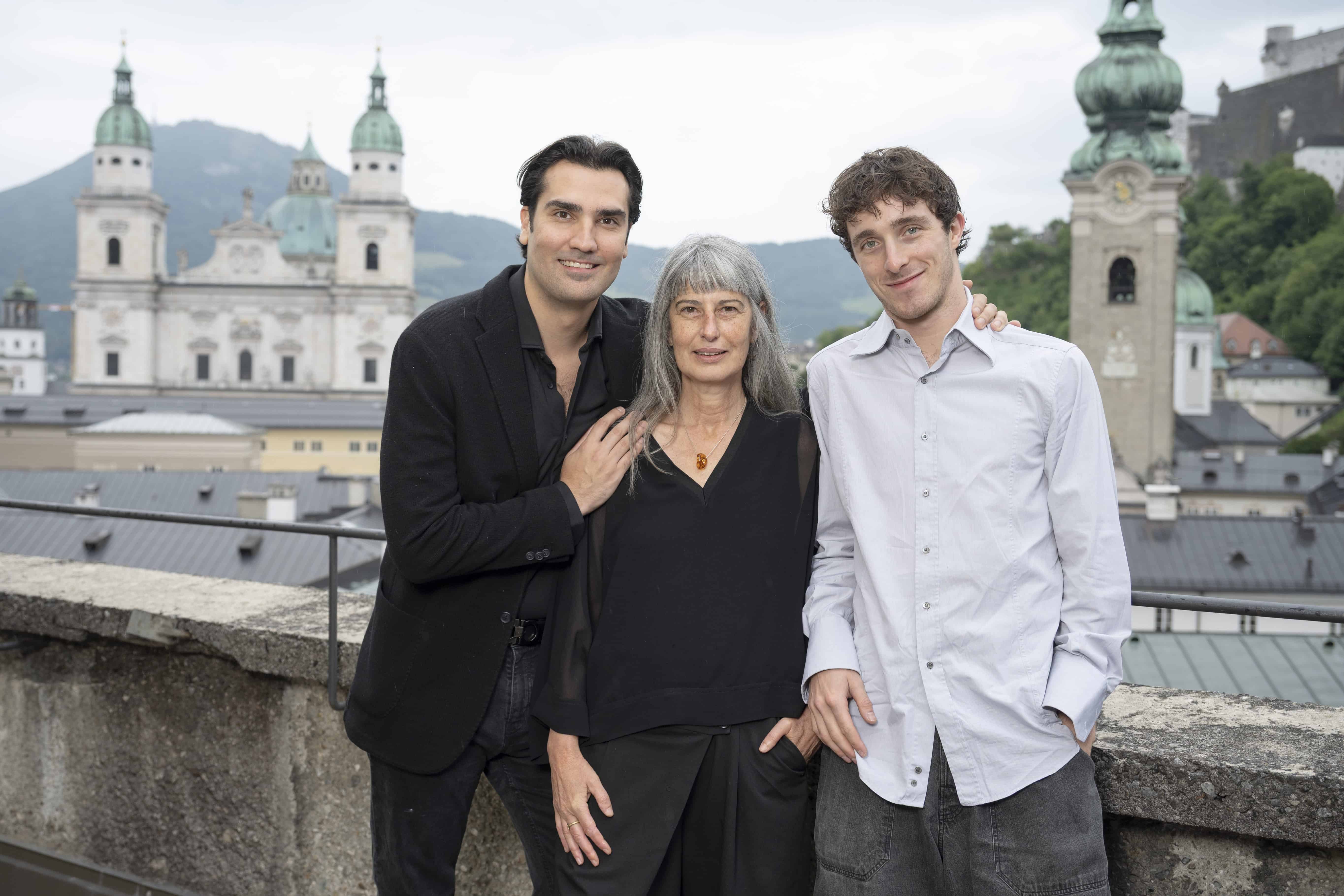
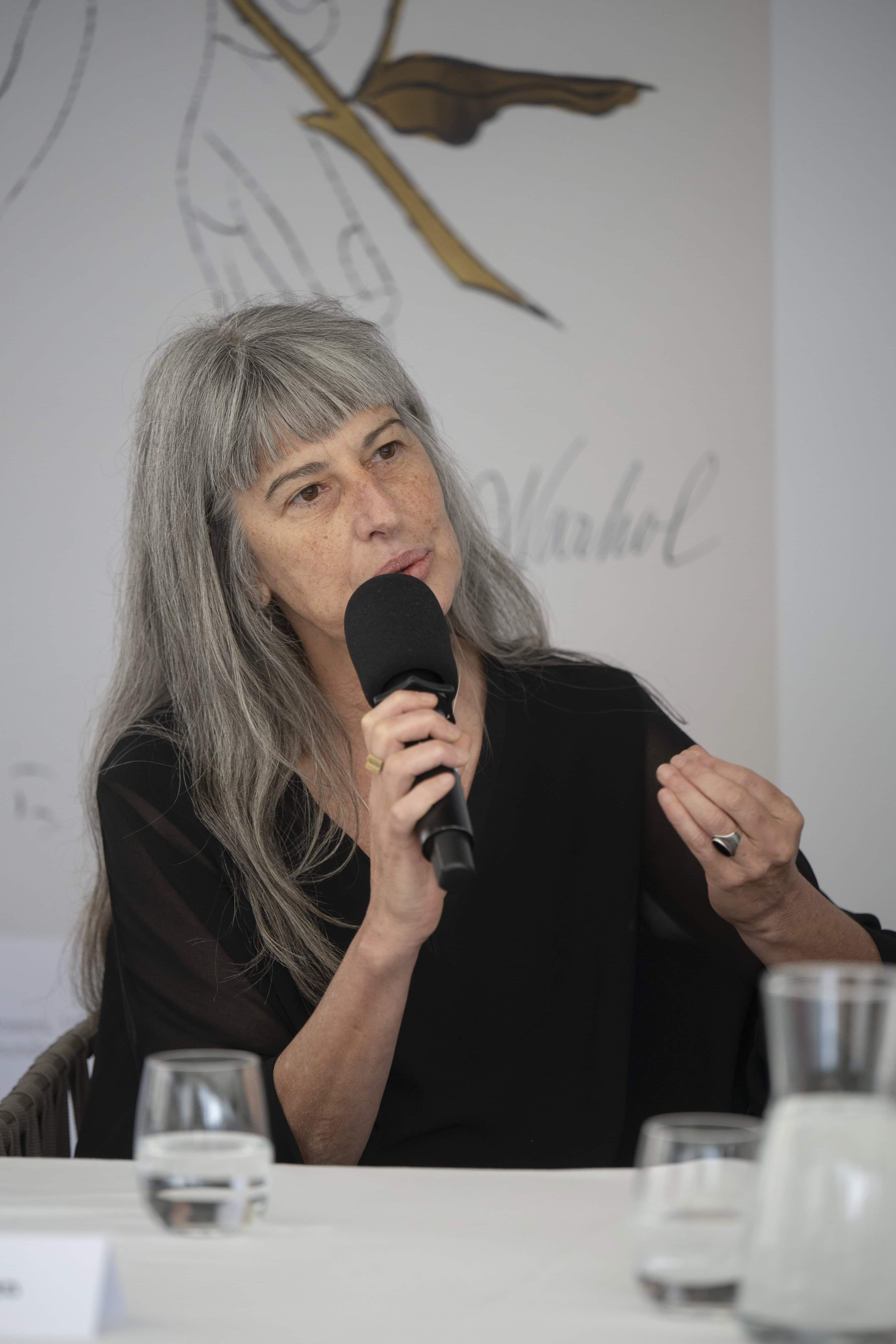
(SF, 10 July 2026) “We strive to examine the characters’ inner life, the state of their feelings. All the things you rarely see on the outside. A kind of zoom into their personalities.” This is how director and choreographer Gabriela Carrizo describes her approach to staging Carmen, but also the philosophy behind the Belgian dance company Peeping Tom, whose co-founder she is. Inspired by cinema, Carrizo uses a zoom technique: individual characters are highlighted, time is stretched, and inner states are visualized through movement, lighting and sound. This aims to illuminate mainly the psychology of Carmen and Don José, highlighting their contradictions and offering the audience an experience merging reality with surreality, harshness with poetry.
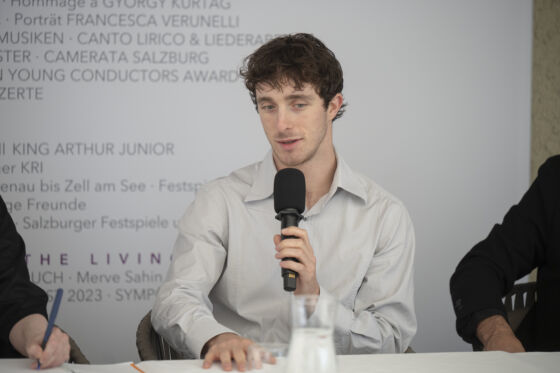
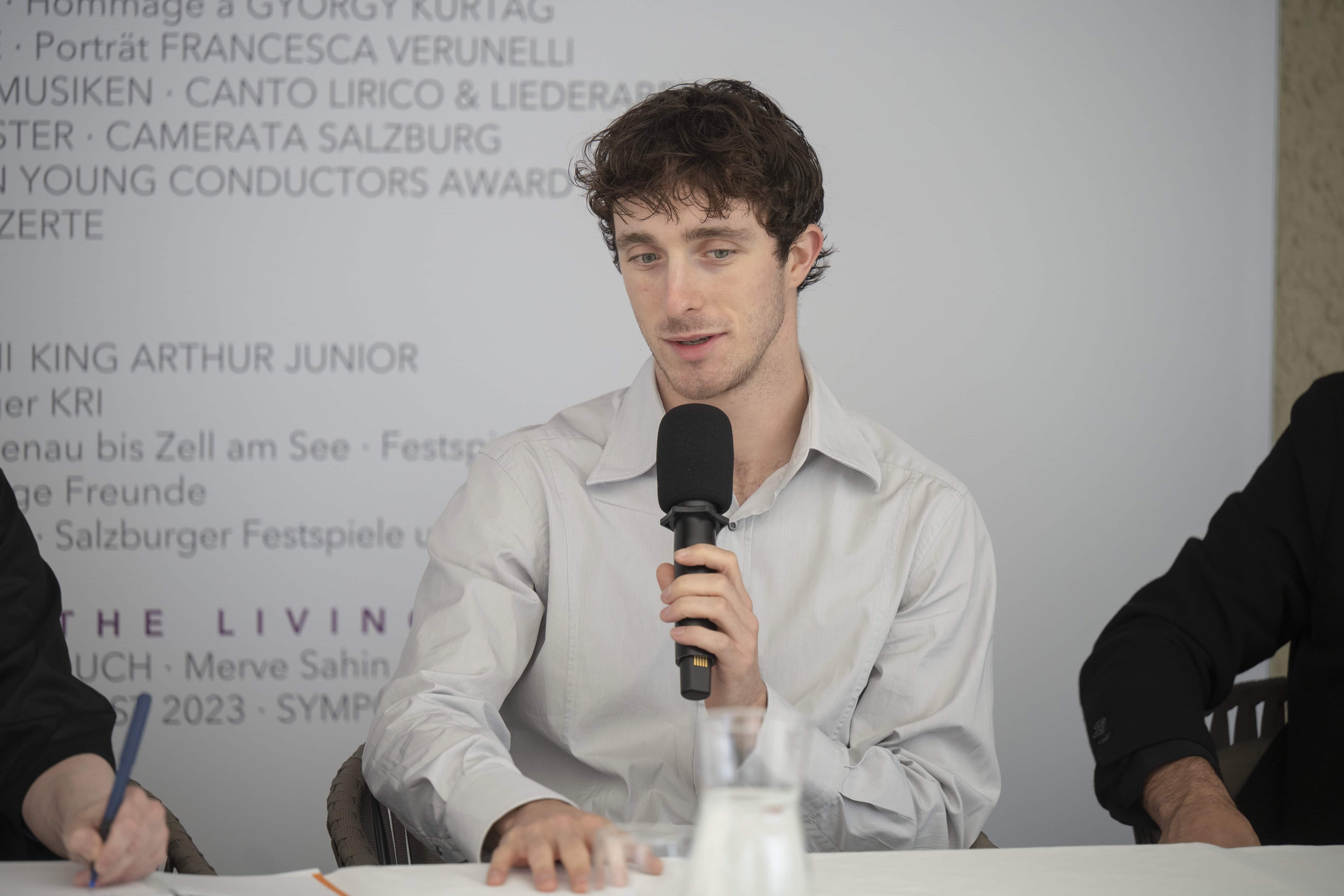
Charlie Skuy, a member of Peeping Tom collaborating on the choreography of the production, describes the stage as a living, organic body. The challenge is to integrate more than 100 performers – singers, dancers, actors, a large chorus and children’s chorus – within this physicality. Director Carrizo adds: “In principle, we work with an extreme physicality. Sometimes the bodies of the dancers are transformed so profoundly that they become more than a human body. We try to amplify the inner states of the characters acting on stage. For example, one dancer serves as Don José’s alter ego. Simultaneously with the singer, he embodies the role’s psychology in an additional, metaphorical manner.” They work within this liminal space between different levels of reality. Correspondingly, Carrizo foregoes a realistic setting within Seville in favour of an abstract “landscape organism”: “There are, however, moments when we feature Spanish elements, for example in the form of original torero costumes. That’s like a perfume of Spain wafting through the whole production. Bizet himself, by the way, never set foot in Spain. It’s like a dream. In a dream, you have a certain inkling of something, and ask yourself: where is that coming from? That’s the kind of feeling we want to convey with regard to Seville.”
The director considers the story of Carmen and Don José highly topical and current. Don José does not simply want to come across as a macho, but as an individual marked by his family context, social pressure and the male violence surrounding him. Carrizo discusses femicide, a recurring theme in the opera and a sad reality in many societies – including and especially in her homeland of Argentina. She wishes to deconstruct traditional depictions of masculinity and femininity, exposing the power structures that feed violence. In general, the production might inspire the audience to adopt new perspectives and move away from the traditional image of the role of Carmen, she adds.
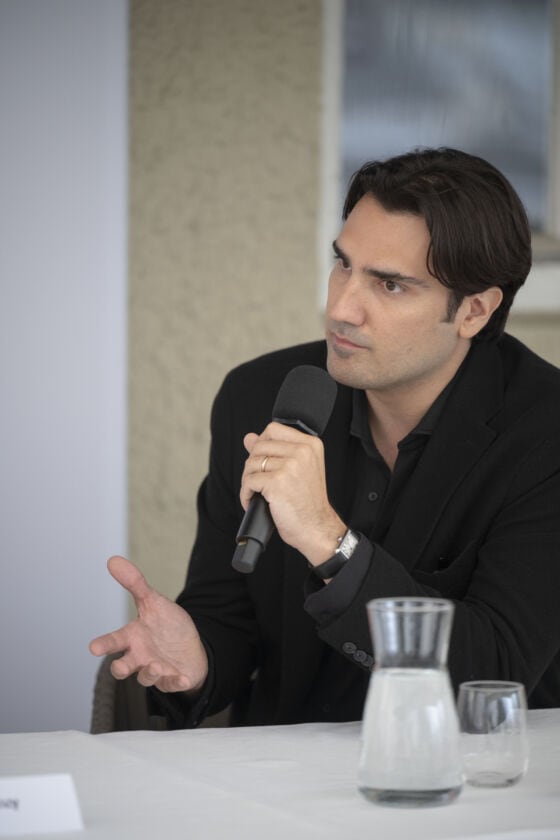
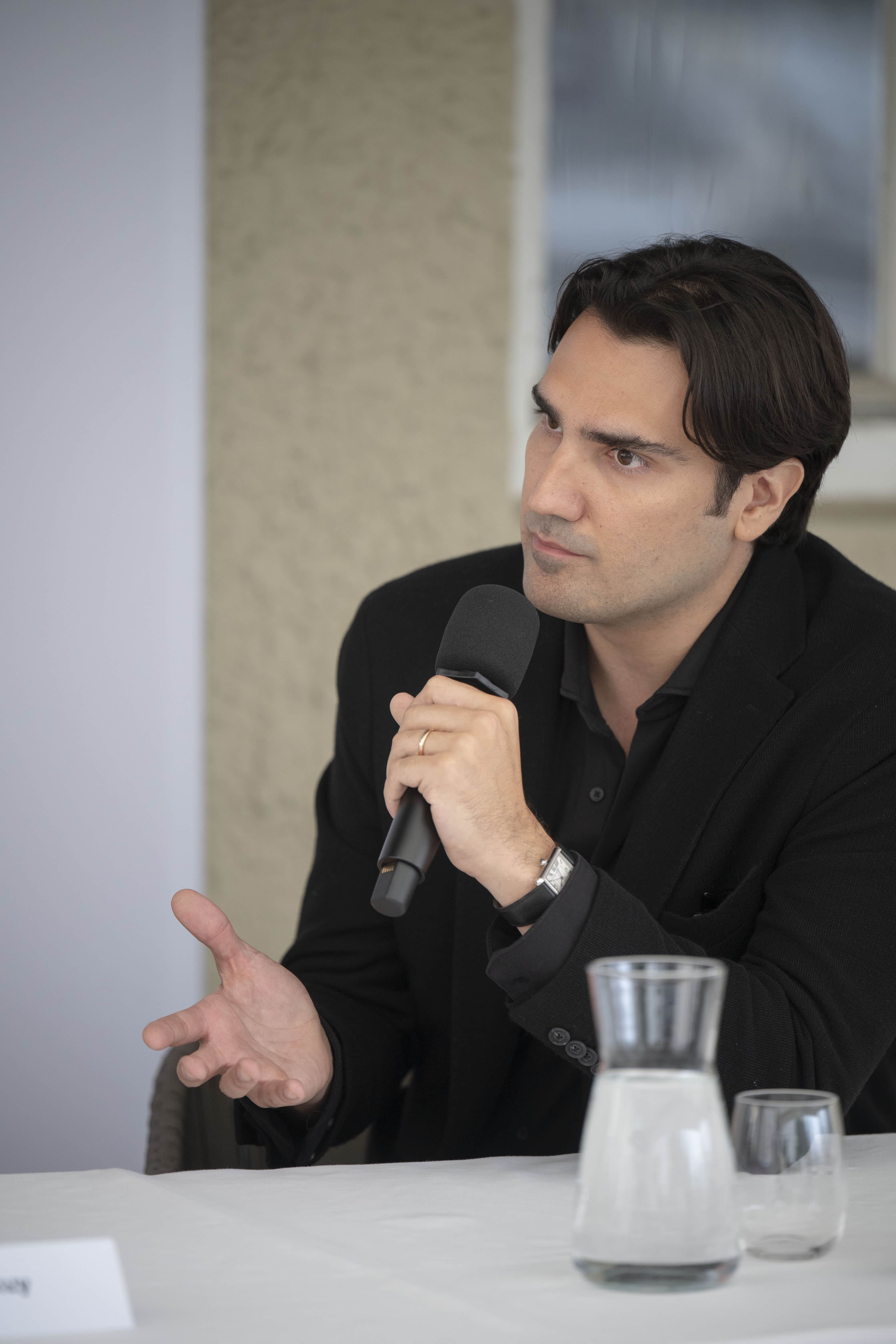
Jonathan Tetelman embodies Don José in this production, initially portraying him as a friendly, empathetic person yearning for love and recognition. The development of Don José from a loving and passionate man to an obsessive and aggressive male can be traced in the music as well. “The somewhat distanced admiration for Micaëla he has in the beginning explodes into passionate obsession when he meets Carmen, ultimately making him the very thing he fears most,” says Tetelman. Carrizo emphasizes: “The point is to show this Don José as a complex individual, an individual with all his contradictions – it’s about putting the human being on stage. We focus not only on his psychological structure, but also on his surroundings. For example, his mother is very important for him, and she will be seen frequently on stage. Furthermore, as a soldier, Don José lives in a context of violence, continuously confronted with other men.” Carrizo views Carmen and José not as figures from the past, but persons of our own present time. She considers it important that the viewer can establish an emotional connection with both of them.
Regarding the title character, Gabriela Carrizo wishes to create a new, non-traditional Carmen, transcending the familiar image. She is working closely with Asmik Grigorian on redefining the role from a female perspective. Basically, she believes that any woman could be Carmen, here and now, the woman next door. “We are extremely fortunate in our cast, with Asmik Grigorian and Jonathan Tetelman. Both are wonderful people and outstanding singers. Carmen is a role debut for Asmik. We want to find out who this Carmen is. I am relying greatly on Asmik’s instincts as a performer in this creative process.” Without revealing details, Carrizo indicates that the staging reserves a special treatment for the opera’s end. Carmen’s acceptance of her fate can be interpreted as the ultimate expression of her freedom and her control over her own life: “It’s about a different perspective on love, meaning a love in the greater sense – not only the love for a specific person, a partner, but love for humanity, love for the universe.”
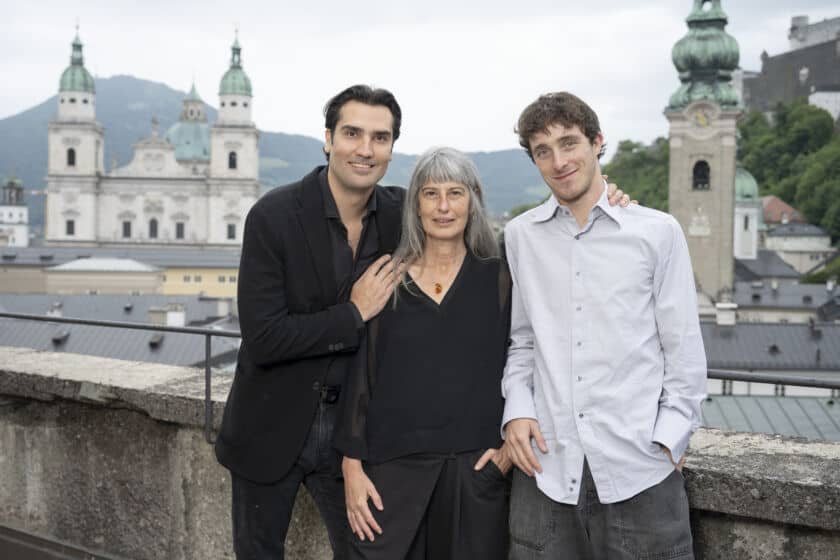
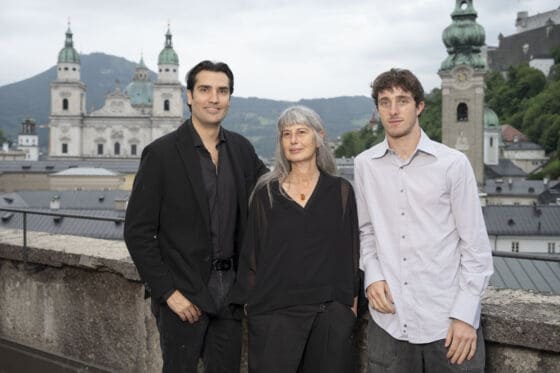
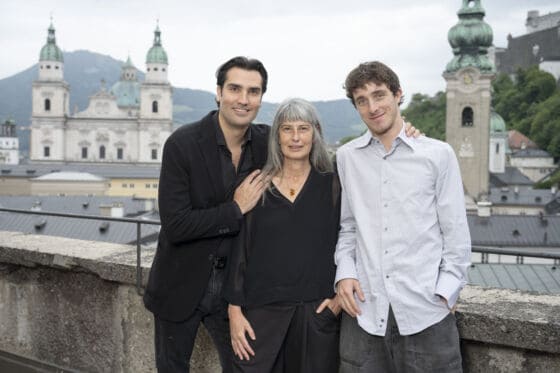
Click here for photographs from the press event:
TT Carmen 2026 • Salzburg Festival
Georges Bizet (1838–1875)
Carmen
Opéra-comique in four acts
(composed 1873–1875, premiered 1875)
Libretto by Henri Meilhac and Ludovic Halévy
after the novella Carmen by Prosper Mérimée
New Production
CREATIVE TEAM
Teodor Currentzis Conductor
Gabriela Carrizo (Peeping Tom) Director / Choreography
Christof Hetzer Sets / Costumes
Tom Visser Lighting
Raphaëlle Latini Directing Collaborator
Charlie Skuy Artistic Collaborator Choreography
Christian Arseni Dramaturgy
CAST
Asmik Grigorian Carmen
Jonathan Tetelman Don José
Kristina Mkhitaryan Micaëla
Davide Luciano Escamillo
Iveta Simonyan Frasquita
Anita Monserrat Mercédès
Matthias Winckhler Zuniga
Liviu Holender Moralès
Michael Arivony Le Dancaïre
Mingjie Lei Le Remendado
Eurudike De Beul, Amparo Cortés, Fons Dhossche, Boston Gallacher, Balder Hansen, Chey Jurado, Seungwoo Park, Romeu Runa, Eliana Stragapede Performers of Peeping Tom
ENSEMBLES
Utopia Choir
Vitaly Polonsky Chorus Master
Salzburg Bach Choir
Michael Schneider Chorus Master
Salzburger Festspiele und Theater Kinderchor
Wolfgang Götz, Regina Sgier Chorus Masters
Utopia Orchestra
Premiere: 26 July, with seven further performances through 26 August
Großes Festspielhaus
Carmen • Salzburg Festival 2026