Guest Orchestras 2026
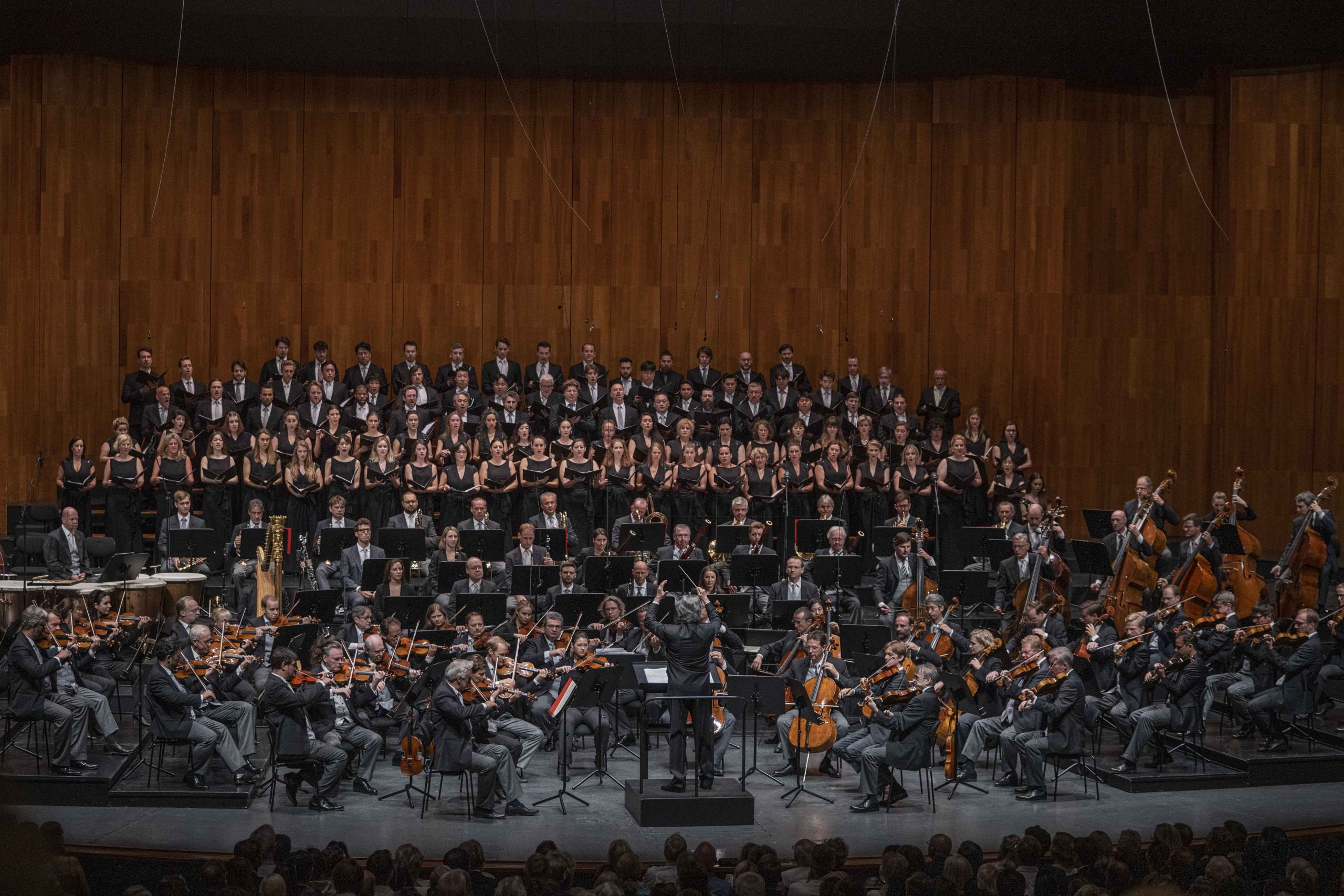
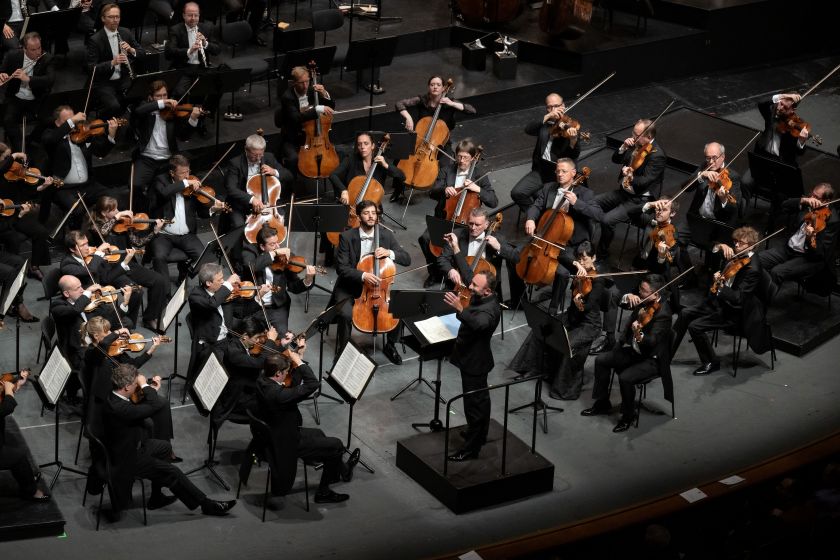
The Berliner Philharmoniker, Utopia, Le Concert d’Astrée, the Prize Winner’s Concert of the Herbert von Karajan Young Conductors Award and more: outstanding orchestras and performers shine in the concert programme, presenting popular and lesser-known great works – and all of them recounting compelling musical stories.
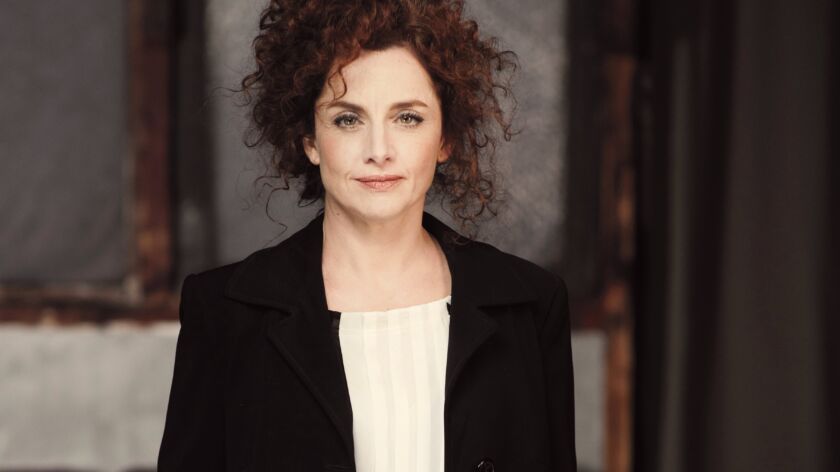
During the past Festival summer, the French historically informed ensemble Le Concert d’Astrée and its founder and conductor Emmanuelle Haïm made an essential contribution to the success of Handel’s Giulio Cesare in Egitto; this year, they will perform classical sacred music firmly rooted in the baroque period. Joseph Haydn’s Sieben letzte Worte, written for the Good Friday liturgy in 1787, stands among the most astounding musical accomplishments of the entire era: uncommonly varied, expressive adagio movements with introductions and a finale marked presto convey the atmosphere of the last utterances of Jesus on the cross in purely instrumental music. Half a century before, Giovanni Battista Pergolesi had died of tuberculosis at the age of not even 26. His setting of the Stabat mater is considered his swan song, a setting of the medieval poem about Mary’s pain when Jesus was crucified – a success for the ages which would soon give rise to a veritable Pergolesi cult, celebrating that blessed inventor of melodies. Vincenzo Bellini would later admiringly call him the “angelico maestro”. The soprano Julia Lezhneva and the countertenor Carlo Vistoli are the angelic solo voices (6 August).
The enchantment of the voice when words and music are united is also apparent in Richard Strauss’ Vier letzte Lieder, another swansong of wondrous melancholy. The soprano Hanna-Elisabeth Müller will also be heard in the very last song Strauss ever wrote: Malven (1948). Stille und Umkehr, as Bernd Alois Zimmermann entitled one of his last works before his suicide in 1970, ends in resignation and darkness: the document of an oppressive fadeout. Piotr I. Tchaikovsky, on the other hand, granted Lord Byron’s tragical romantic hero redemption in his large-scale symphony Manfred, oscillating between the light of the Alpine Fairy and infernally dark orgies: the ORF Radio Symphony Orchestra Vienna brings all that to life under the baton of Christian Blex, the winner of the Herbert von Karajan Young Conductors Award of the 2025 Salzburg Festival (YCA Award Winners’ Concert 17 August).
Great stories and overwhelming emotions are also featured in the programmes of guest orchestras from Hungary and the USA. Under its founder and longtime chief conductor Iván Fischer, the Budapest Festival Orchestra dedicates itself not only to the Unfinished, the most famous fragment from Franz Schubert’s symphonic workshop, but also to Gustav Mahler’s First Symphony, which goes from mysterious sounds of nature to ecstatic jubilation. In between the two, the violist Lawrence Power performs the solo part in György Kurtág’s Movement, an expressive work commemorating Béla Bartók (8 August.)
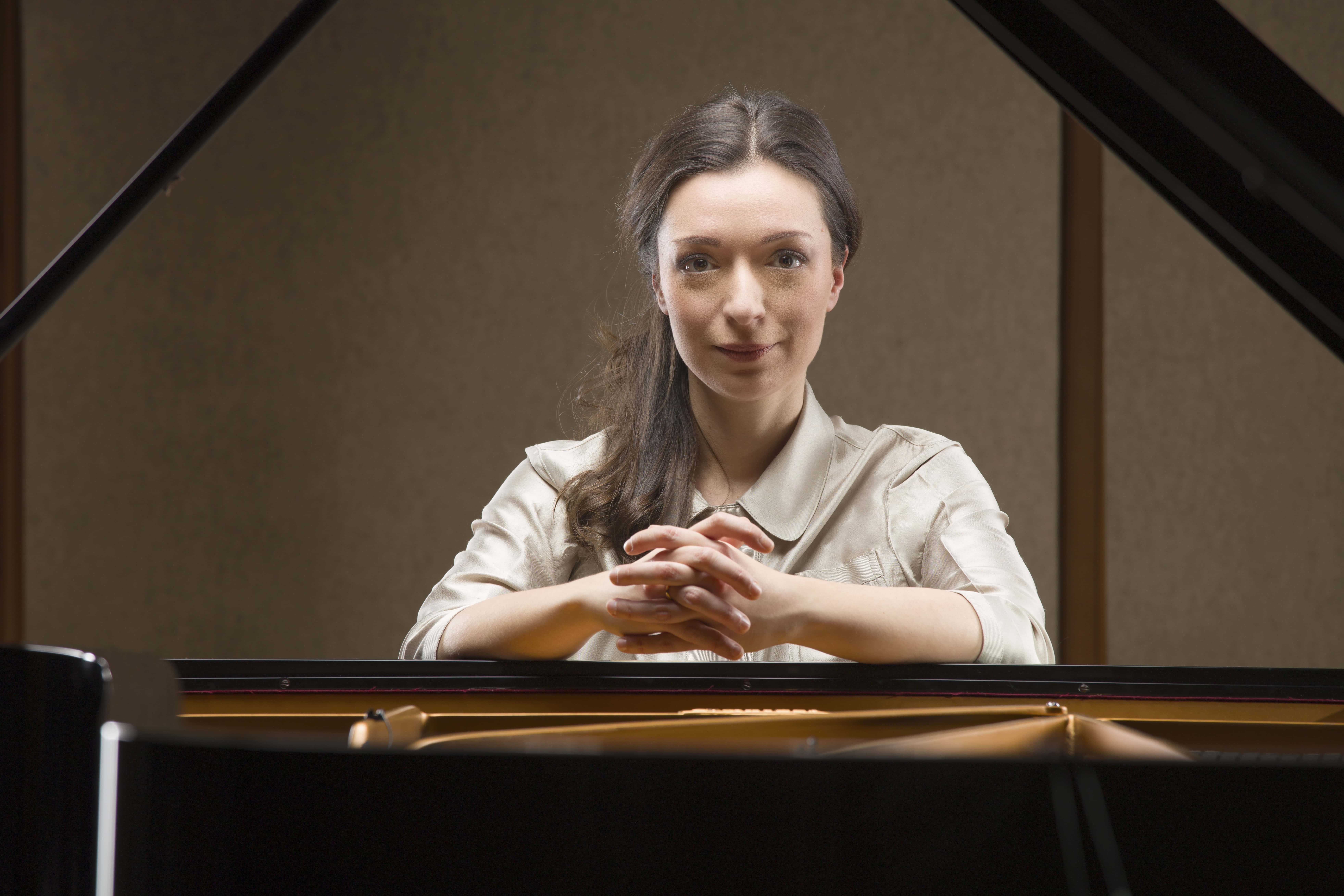
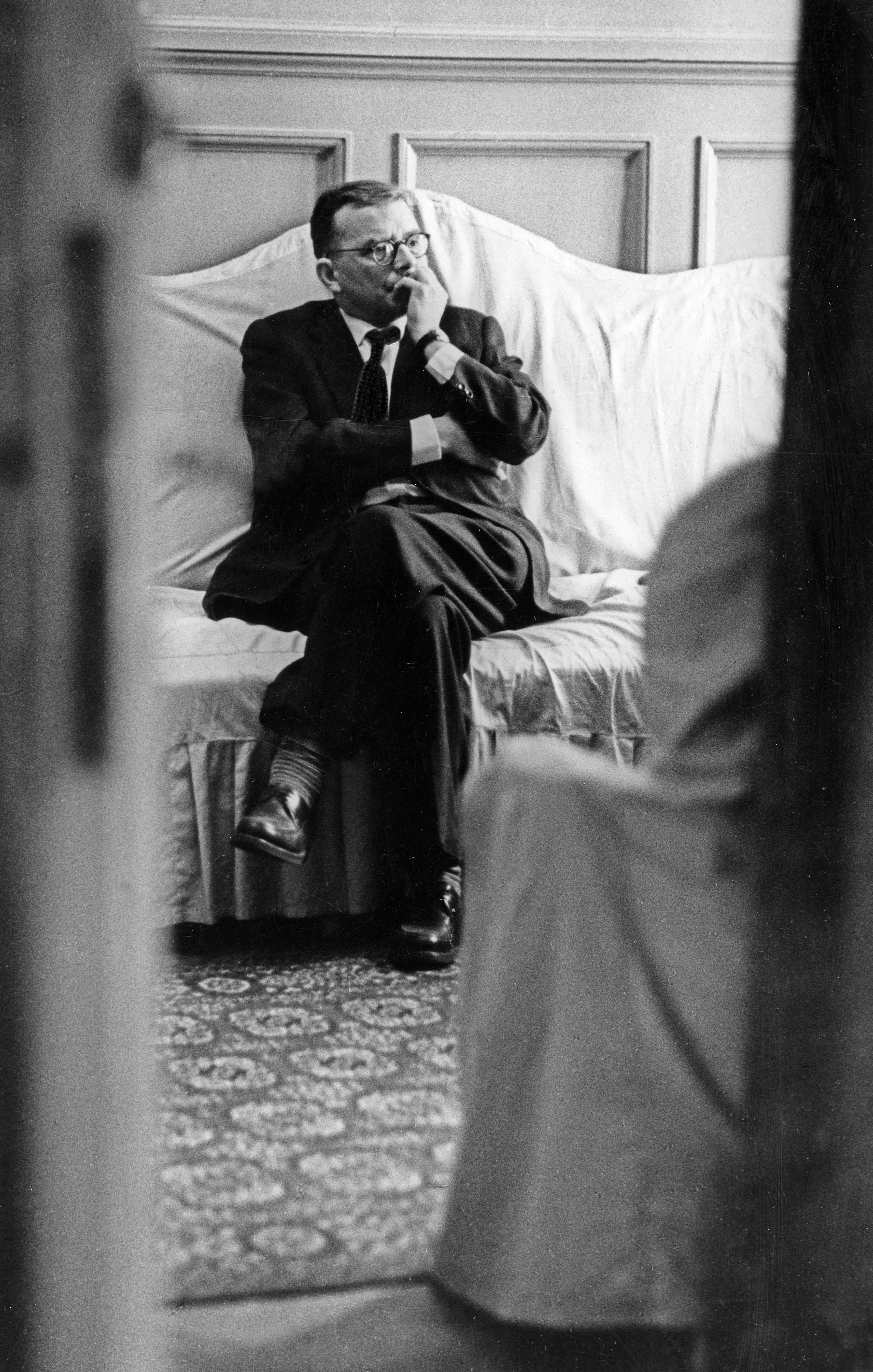
Manfred Honeck has been guiding the Pittsburgh Symphony Orchestra as its music director for 18 years – a fruitful collaboration merging the European kapellmeister tradition with American orchestral virtuosity. And speaking of virtuosity: the celebrated young Frenchman Alexandre Kantorow will be the piano soloist in Sergei Rachmaninov’s Paganini Rhapsody, which contains everything from dreamy catchphrases to dazzling keyboard acrobatics and sombre “Dies irae” quotations – an entire world portrayed in sound. This is also true of the Five Pieces for String Quartet by Erwin Schulhoff, who died in a Nazi camp in 1942. Manfred Honeck and Tomáš Ille have created an orchestra version: a little dance suite of modernism – colourful, original and gripping. Dmitri Shostakovich’s famous Fifth Symphony, on the other hand, is a document of life under Stalinism. Life-threatening violence can be glimpsed behind the superficial jubilation of its finale: an ambiguity which only music can convey in all its destructive and uplifting facets (27 August).
Walter Weidringer
First published in the Festival insert of Salzburger Nachrichten