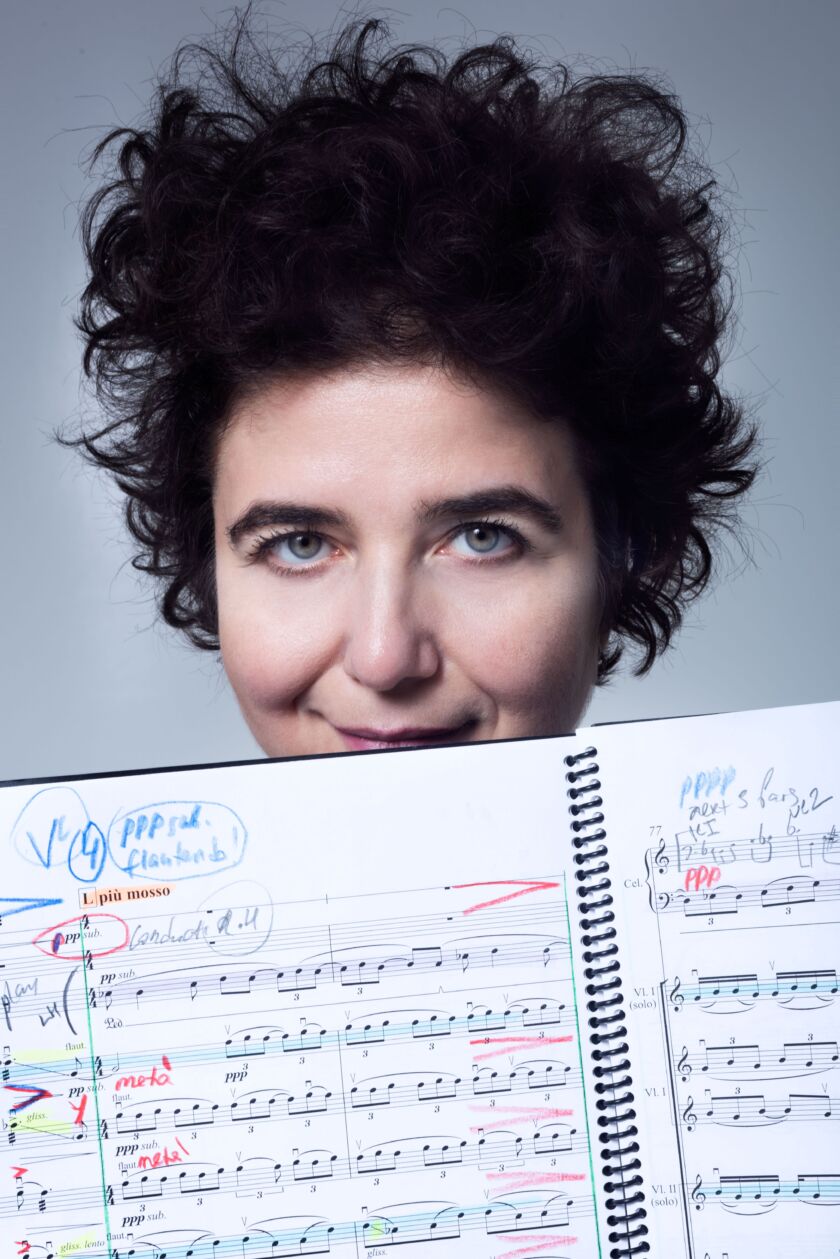
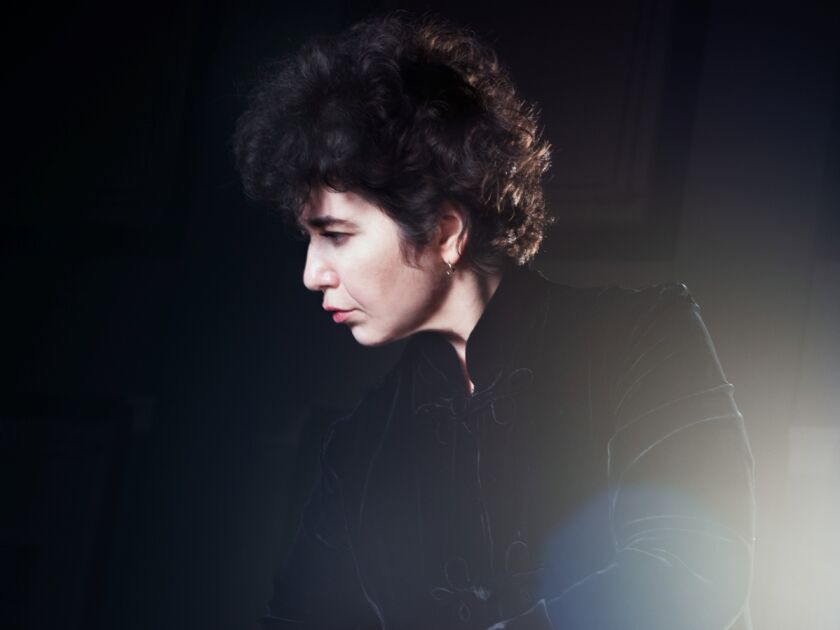
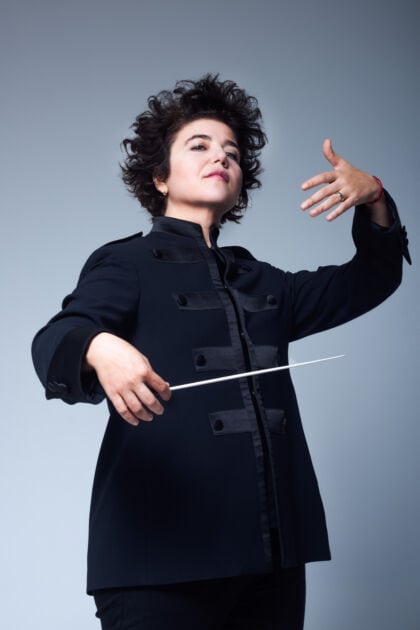
Lera Auerbach’s journey into the world of art began as a poet, with several published works before she turned 18. Born in 1973 in Chelyabinsk, in the Ural mountains, she was a virtuoso pianist from early childhood and composed her first opera at the age of twelve. In 1991, during a concert tour of the United States, she made the spontaneous decision at just 17 years old to remain in New York — without a safety net and without speaking English — while the Soviet Union was on the brink of collapse. She seized her freedom and started a new life in the US, where she was later granted American citizenship in recognition of her extraordinary talent.
In 2021, the Austrian government also awarded her citizenship for her significant contributions to music and the arts, further underscoring her international influence.
She studied piano and composition at the Juilliard School and comparative literature at Columbia University. In 2002, she completed her concert diploma at the University of Music, Drama and Media in Hanover. That same year, she made her Carnegie Hall debut as the pianist in her Suite for violin, piano and orchestra, performed with Gidon Kremer and the Kremerata Baltica. Her extensive catalogue now encompasses nearly every musical genre, from chamber music and orchestral works to opera and ballet. Her music has been performed in the most prestigious concert halls and at the most important festivals — from Carnegie Hall to the Vienna Musikverein and the Salzburg Festival.
Her works frequently address contemporary events and social issues. Her Violin Concerto No. 2 is entitled September 11, and her Russian Requiem of 2006 dealt presciently with the state repression in her native country. Her works also include the Reqiuem: Ode to Peace commissioned by the Sächsische Staatskapelle Dresden, Symphony No. 4, Arctica, commissioned by the National Geographic Society, and Symphony No. 6, Vessels of Light, which explores the fragmentation and healing of a fractured world. Today, her work as a conductor is central to her artistic output, and shapes her current artistic expression.